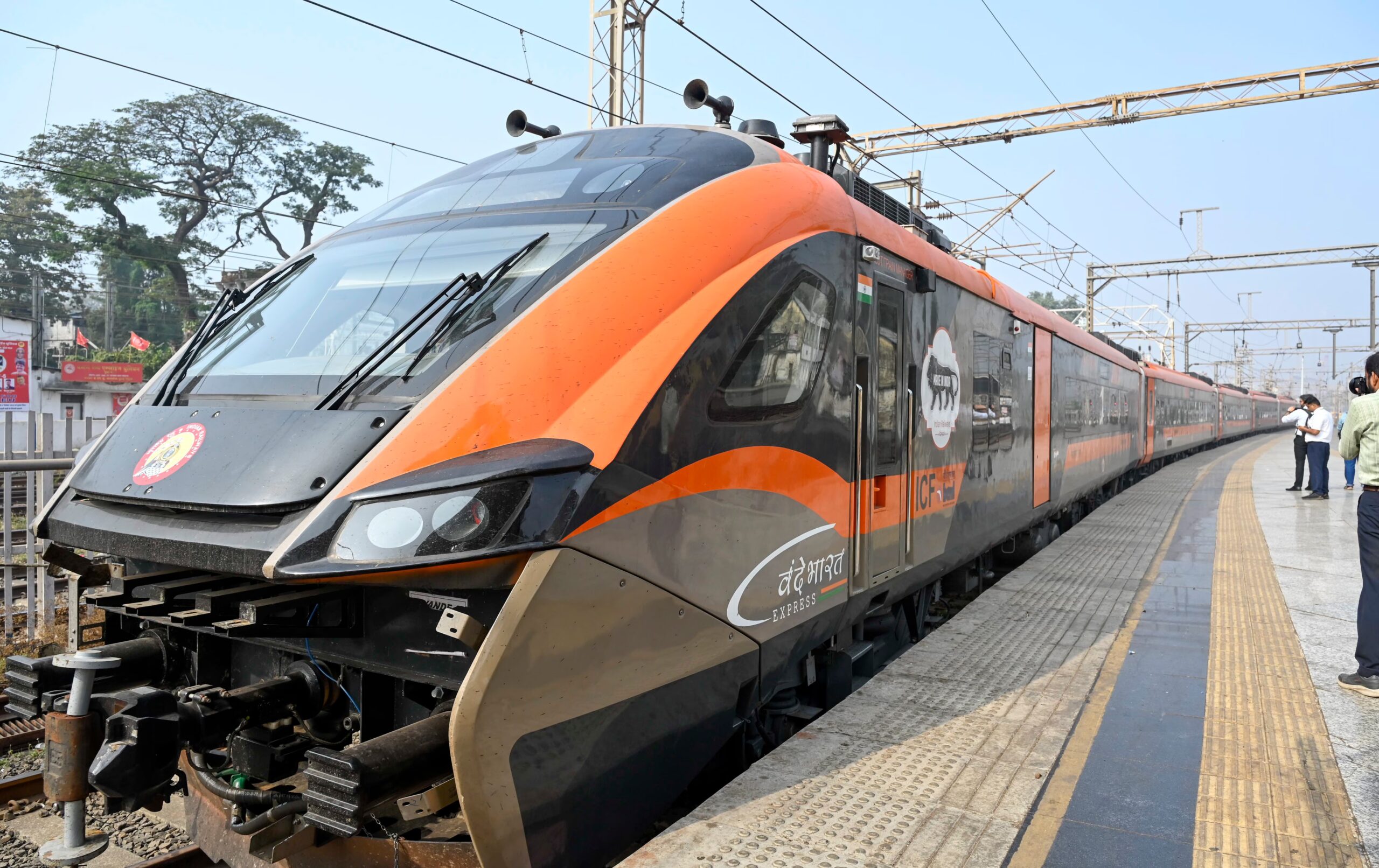
Ahmedabad Rail Network Expands Holi Travel Capacity
Ahmedabad’s rail network is entering a high-alert operational phase as Western India prepares for a sharp spike in inter-city travel ahead of Holi. The Western Railway zone has announced an expanded slate of festival-period services between early and late March, reflecting both rising seasonal mobility and the growing dependence of India’s urban workforce on long-distance rail connectivity. The additional services are being rolled out across major corridors linking Gujarat’s commercial hubs with northern and eastern states, where festive return travel traditionally peaks. Urban transport planners say such festival-driven surges have become an annual stress test for India’s rail infrastructure, particularly in cities like Ahmedabad that function as gateways between industrial regions and labour-origin districts.
Railway officials indicate that the Holi special trains programme is being supported by real-time monitoring of reservations and passenger movement. Where demand spikes unpredictably, train lengths are being increased and additional departures planned. This flexible deployment model has become essential as migration-linked travel intensifies with the expansion of manufacturing, construction, and services employment across western India. For Ahmedabad, the festival rush also highlights the role of stations as critical urban public spaces rather than mere transit points. Temporary passenger holding zones, queue management systems, and expanded ticketing arrangements have been scaled up to prevent overcrowding and improve safety. Transport economists note that such measures reduce dwell time, energy waste, and congestion spillovers into surrounding neighbourhoods an often overlooked urban externality during peak travel seasons.
Security and operational staffing has been reinforced at high-footfall terminals, supported by continuous surveillance and on-ground supervision. Urban governance experts point out that coordinated crowd management is increasingly central to climate-resilient transport planning, as unmanaged congestion leads to higher emissions, safety risks, and service disruptions. The broader economic implications extend beyond the holiday itself. Smooth festival mobility enables informal and formal workers to maintain employment continuity while supporting regional consumption cycles. For cities like Ahmedabad, which sit at the intersection of freight, labour, and passenger flows, efficient festival operations also protect business productivity and logistics reliability.
From a sustainability lens, rail-based festival travel remains significantly less carbon-intensive than road alternatives, especially during long-distance peak movement. Transport policy specialists argue that strengthening festival rail capacity is not just a crowd-control exercise but part of a longer-term transition towards low-emission mobility in rapidly urbanising regions. As Holi approaches, the success of these arrangements will be closely watched by city administrators and infrastructure planners. With seasonal travel demand growing each year, the challenge ahead lies in converting temporary festival measures into permanent improvements that make Indian cities more inclusive, resilient, and people-centred well beyond the festive calendar.