Pune Mumbai Corridor Tests Chemical Safety Readiness
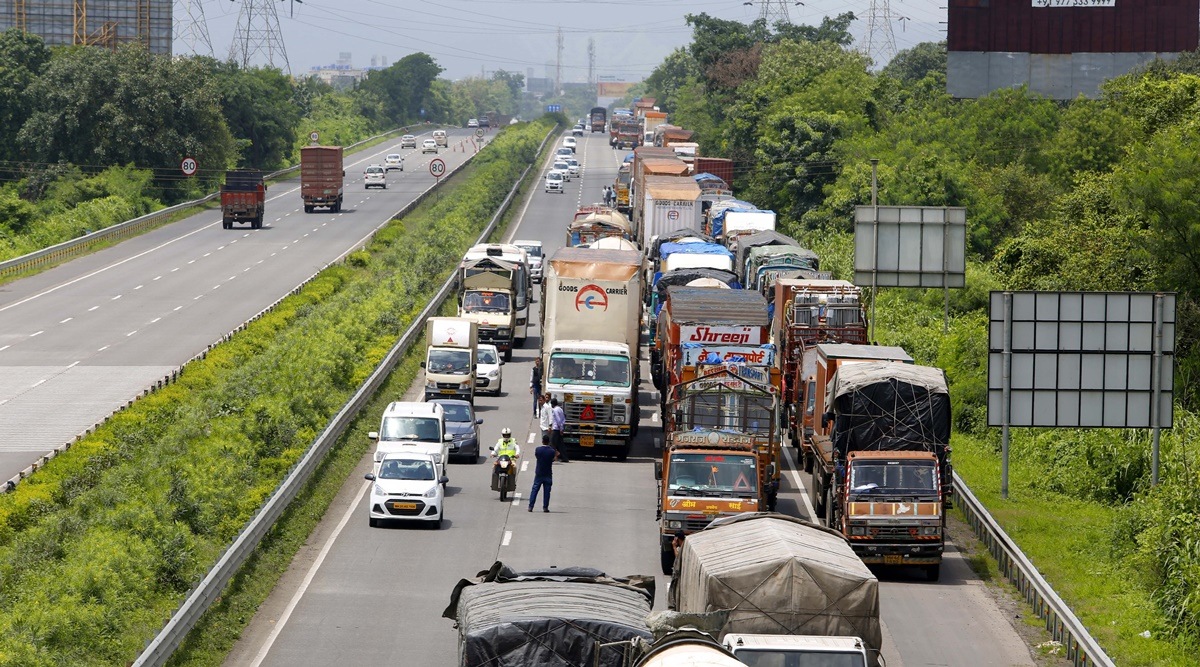
A prolonged emergency response to a hazardous gas tanker accident on the Mumbai–Pune Expressway has raised urgent questions about India’s preparedness for chemical transport incidents on high-density urban corridors. The incident, which unfolded near a ghat section of the expressway, disrupted traffic for over a day and exposed structural gaps in disaster readiness along one of the country’s most critical infrastructure links. The accident involved a tanker carrying a large volume of compressed, highly flammable industrial gas that overturned during peak evening hours. While no casualties were reported, the situation escalated into a high-risk containment operation as gas continued to leak, forcing authorities to shut down traffic in both directions. For an expressway that connects India’s financial capital with a major industrial hub, the disruption carried economic, safety, and governance implications far beyond a single crash site.
Senior officials involved in the response acknowledged that state agencies lacked the specialised equipment and trained personnel required for such a scenario. Containment efforts depended heavily on private technical responders who arrived hours after the incident, underscoring the absence of a dedicated hazardous materials response framework within public systems. Urban safety experts note that time lost during the initial phase significantly amplified risk, particularly given the volatility of compressed industrial gases in confined terrain. The operation eventually relied on a complex process of stabilising the damaged tanker and transferring its contents into multiple safe vehicles before it could be moved. This approach required coordinated action across police, fire services, disaster response units, and technical specialists, all operating under strict safety controls. While the operation ultimately succeeded, it stretched over more than 30 hours highlighting the strain such incidents place on urban mobility, emergency services, and nearby communities.
The episode has wider relevance for India’s urban and industrial growth trajectory. Thousands of tankers carrying hazardous substances move daily across national highways linking ports, refineries, industrial estates, and cities. As urban regions expand outward and freight traffic intensifies, the interface between dangerous goods transport and densely populated corridors is becoming increasingly fragile. Urban planners and infrastructure analysts argue that India’s expressways are being treated as logistics conduits without parallel investment in safety governance. Globally, chemical transport corridors are supported by legally binding response protocols, trained highway-based hazmat units, and strict movement windows to minimise public exposure. In contrast, Indian cities remain reliant on ad hoc coordination after incidents occur.
The Mumbai–Pune episode is now being viewed as a warning rather than an anomaly. Experts suggest that without enforceable operating procedures, dedicated response infrastructure, and mandatory training for hazardous cargo operators, similar incidents could have far graver consequences particularly in peri-urban zones where expressways intersect with housing, logistics parks, and emerging real estate developments. As India invests heavily in expressways, industrial corridors, and urban expansion, integrating chemical safety into transport planning is no longer optional. The resilience of future cities will depend not only on how fast goods move, but on how safely they do so.