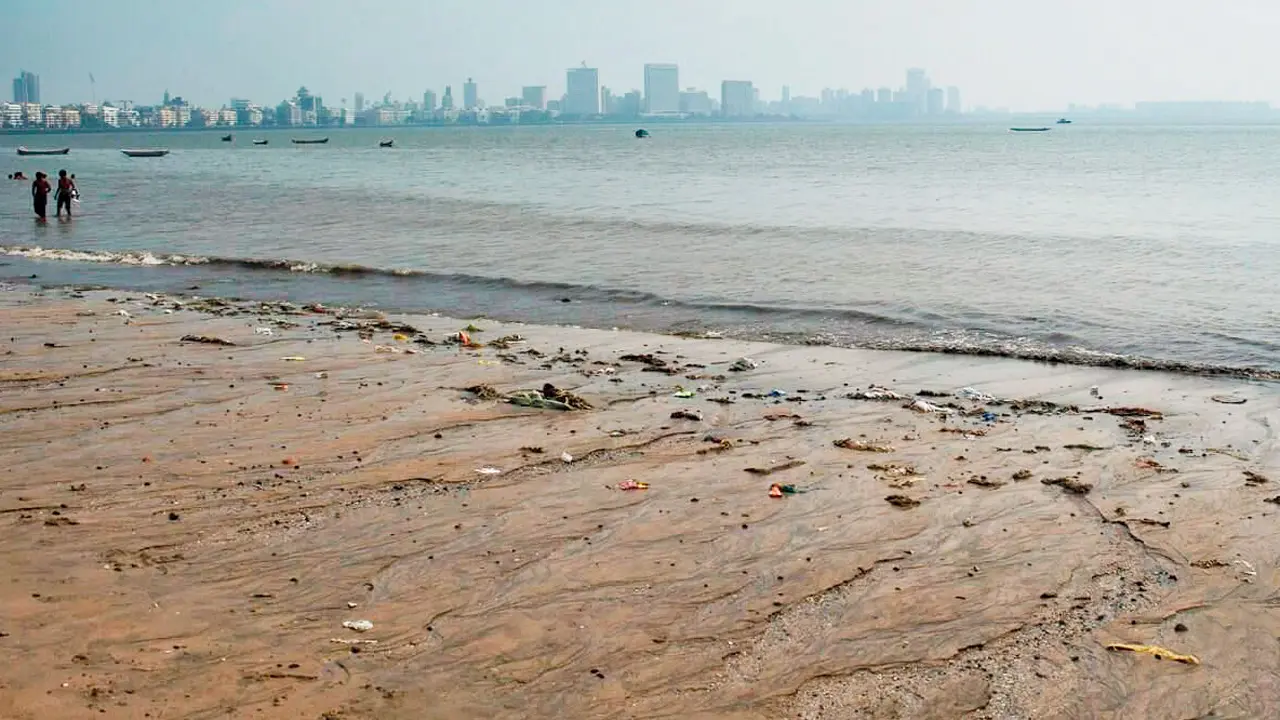
A citizen-led digital platform developed in South Mumbai is reshaping how coastal pollution is identified and recorded, moving beyond local reporting to support data-driven environmental monitoring across multiple Indian states. What began as a neighbourhood-scale experiment is now emerging as a practical intelligence layer for coastal governance, offering authorities, researchers and planners a clearer picture of pollution patterns along India’s shoreline.
The platform was initially created to address a persistent gap in Mumbai’s marine pollution ecosystem: fragmented reporting, limited public visibility and weak coordination between civic agencies and conservation groups. Over recent weeks, its operational footprint has expanded to coastal cities and states including Tamil Nadu, Goa and Kerala, enabling a shared data framework for documenting waste, sewage discharge and marine debris. Urban planners and environmental experts say the expansion highlights the growing role of citizen-generated data in strengthening climate resilience, especially in densely populated coastal regions facing rising sea levels, untreated sewage flows and plastic accumulation. Unlike conventional complaint-based systems, the platform translates individual observations into mapped datasets, revealing hotspots and trends that often remain invisible in official monitoring processes.
Designed with a deliberately simple interface, the system allows users to log pollution incidents by location, waste type and brief context. Categories range from household waste and plastic debris to hazardous and large marine refuse. Reports are automatically directed to relevant regulatory bodies, research institutions and non-governmental organisations based on geography and pollution type, improving response coordination without relying on manual escalation. Beyond basic reporting, the platform integrates weather conditions and tidal data to help identify recurring pollution cycles. This layered approach allows stakeholders to distinguish between episodic littering and systemic infrastructure failures such as sewage leakage or stormwater overflow—critical insights for long-term urban planning and coastal infrastructure investment.
Experts in environmental governance note that such tools can support evidence-based policymaking, particularly as Indian cities grapple with balancing coastal development, tourism, fisheries and ecological protection. Reliable data is increasingly essential for enforcing coastal regulation zones, planning wastewater upgrades and assessing climate risks to informal settlements and public assets near the shoreline. While the platform currently prioritises documentation over direct intervention, its creators envision future iterations that include risk summaries, vulnerability indicators and deeper collaboration with urban local bodies. For journalists, planners and climate researchers, the growing dataset could also serve as an independent reference point for analysing environmental accountability.
As India’s coastal cities confront intensifying climate pressures, decentralised digital tools like this one signal a shift towards more transparent, people-first environmental monitoring—where informed citizens become contributors to resilient, low-carbon urban futures rather than passive observers of degradation.
Mumbai Coast Platform Maps Pollution Beyond City Shores