


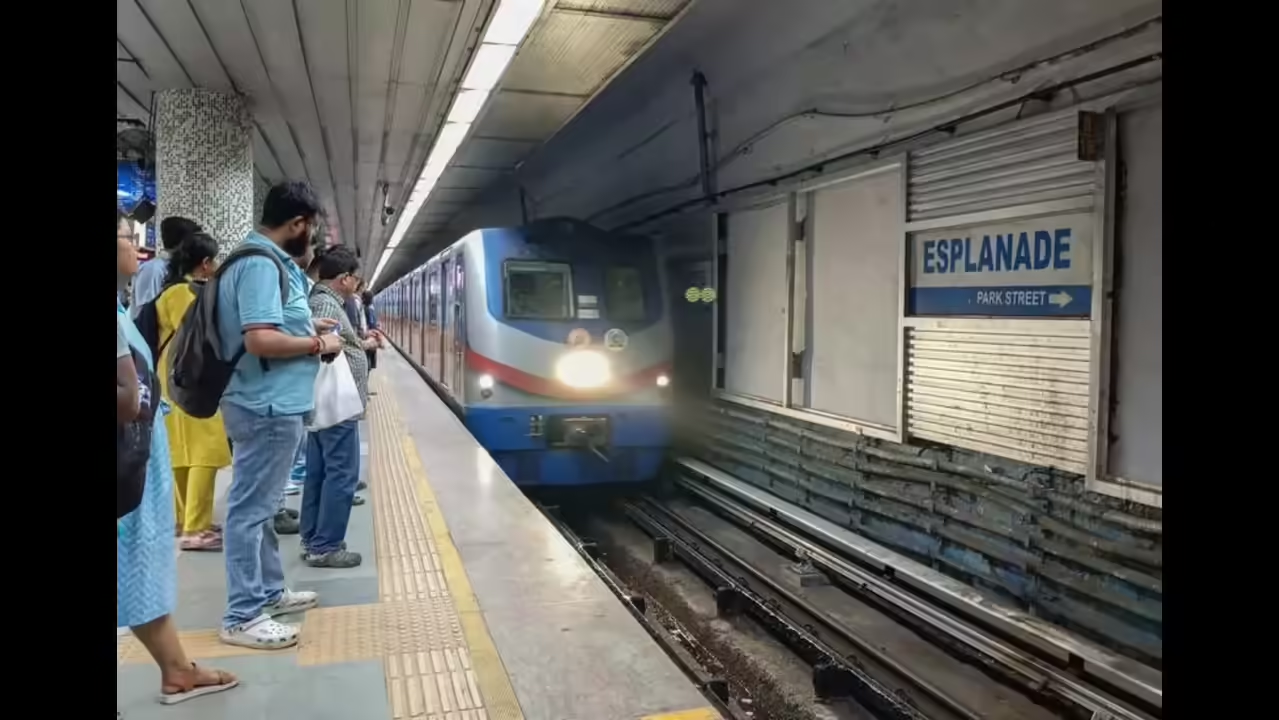
Kolkata’s oldest metro corridor, the Blue Line, has embarked on a substantial infrastructure upgrade with the commissioning of a ₹585 crore project to overhaul tunnel ventilation and environmental control systems across 15 underground stations between Belgachia and Rabindra Sarobar. The initiative, driven by ageing equipment and rising heat loads from contemporary air-conditioned trains, aims to enhance passenger comfort, boost energy efficiency, and strengthen operational resilience in India’s third-largest urban agglomeration.
The existing ventilation setup, originally designed in the 1970s and updated in 2011, was tailored to non-air-conditioned trains and is now approaching the end of its lifecycle. With a fleet of AC rakes now in operation, Kolkata Metro Railway has contracted a subsidiary of a Japanese HVAC (heating, ventilation, and air-conditioning) specialist to install high-capacity axial fans and transition from water-cooled chillers to more efficient air-cooled systems. For commuters navigating this vital north-south artery, the upgrade promises tangible improvements. New ventilation units are designed to extract heat generated by braking and roof-mounted AC condensers more effectively, moderating platform temperatures and curbing the urban heat island effect within tunnels. Officials project annual energy savings of around ₹21 crore alongside reductions in carbon emissions — an important consideration as metropolitan transit systems seek to balance service reliability with climate goals. Environmental benefits extend to groundwater conservation; replacing water-intensive cooling with air-cooled technology is expected to save an estimated 18 crore litres of groundwater yearly, a critical resource in parts of Kolkata facing declining water tables. Urban planners and sustainability experts note that such interventions align with broader efforts to decarbonise public infrastructure while improving equitable access to comfortable mass transit.
Safety is another core driver of the project. The upgraded ventilation architecture includes heat-detection sensors and more robust fans capable of operating at elevated temperatures for extended durations, enhancing smoke extraction and heat management during emergencies. These measures respond to evolving safety norms and reinforce redundancy in one of the city’s busiest transport corridors. This modernisation is occurring without major service disruptions, with completion timelines stretching over the next four years. A senior urban transport official emphasises that such phased execution allows Kolkata Metro to maintain daily operations while systematically replacing outdated infrastructure — a delicate balance in a city of millions.
Beyond operational gains, the Blue Line’s ventilation revamp reflects a growing recognition among Indian cities that sustainable, resilient transit infrastructure is foundational to inclusive urban growth. As other metropolises expand their networks, Kolkata’s approach offers a pragmatic template for modernising legacy systems without compromising service continuity.
Also Read: Pune Metro Phase 2 Moves Into Design Stage
Kolkata Metro Blue Line Gets New Ventilation System
