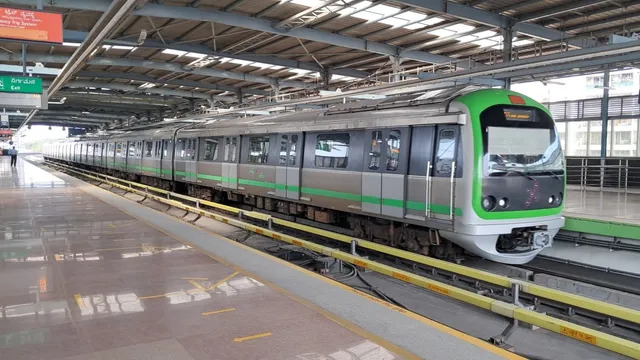
Bengaluru’s mass rapid transit system will see a calibrated rise in ticket prices from February 9, marking a structural shift in how urban rail fares are adjusted in India’s technology capital. The city’s metro operator has moved to an automatic annual fare revision framework, signalling an effort to balance commuter affordability with the long-term financial stability of public transport infrastructure. Under the revised framework, metro fares across the Namma Metro network will increase modestly, with changes ranging between one and five rupees depending on travel distance. The adjustment translates to an overall rise of roughly four to ten per cent, significantly lower than previous revisions that had triggered public criticism for their sudden and steep impact on daily commuters.
Urban transport planners note that the decision reflects a broader recalibration underway in Indian cities, where transit agencies are under pressure to fund expanding networks while containing operating losses. Bengaluru’s metro system has grown rapidly over the past decade, but operational costs ranging from energy consumption to maintenance of elevated and underground corridors have risen steadily alongside inflation. According to officials familiar with the decision-making process, the annual revision is anchored in a transparent formula that links fare changes to audited operating and maintenance costs. While the underlying cost index showed a double-digit increase over the previous year, the fare adjustment has been capped at five per cent annually. This ceiling is intended to prevent sudden fare shocks and offer commuters predictability in household travel budgeting.
Importantly, the metro operator has retained all existing fare concessions, a move that urban economists say is critical for protecting ridership levels. Smart card and interoperable mobility card users will continue to receive differential discounts during peak and off-peak hours, along with special reductions on Sundays and select national holidays. Tourist and group travel products will also follow the same annual adjustment rule. For Bengaluru, where road congestion and vehicular emissions remain persistent challenges, sustaining metro ridership is closely tied to the city’s climate and mobility goals. Transport experts argue that gradual fare rationalisation, when paired with reliable service and network expansion, can help cities avoid the trap of underfunded public transport systems that eventually compromise service quality.
The annual fare mechanism also aligns with international best practices, where incremental, rule-based pricing revisions are preferred over irregular hikes driven by fiscal stress. Industry analysts say such models improve investor confidence in urban infrastructure while allowing governments to plan subsidies more transparently. As Bengaluru prepares for new metro corridors and increased daily ridership in the coming years, the success of this approach will depend not just on pricing, but on last-mile connectivity, service frequency, and integration with buses and non-motorised transport. For now, the shift to predictable, formula-driven fare adjustments marks a significant step in reshaping how Indian cities fund and manage sustainable urban mobility.