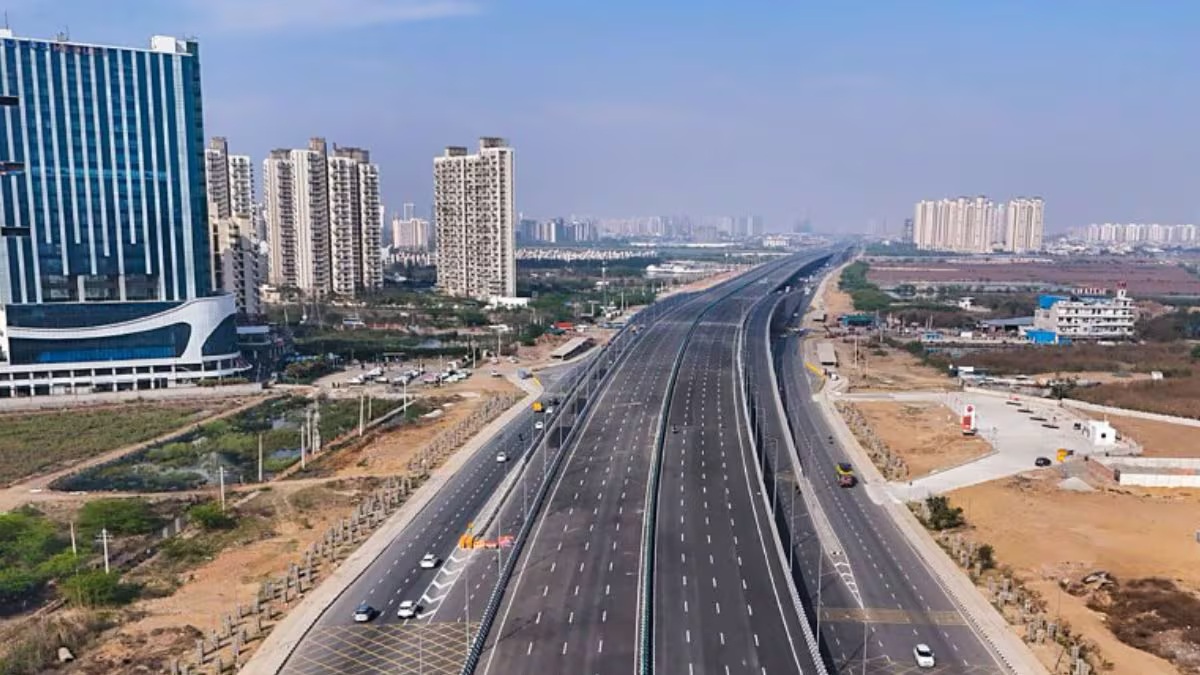
A hazardous material accident in the Western Ghats this week brought traffic on the Mumbai Pune Expressway to a near standstill for more than a day, exposing the mounting vulnerability of one of India’s most critical urban mobility corridors. The disruption, triggered by an overturned gas tanker near the ghat section, left thousands of commuters stranded and once again raised hard questions about capacity planning, emergency preparedness, and the long-term sustainability of ageing infrastructure.
When the 95-km access-controlled corridor opened in the early 2000s, it reshaped economic ties between Maharashtra’s financial capital and its manufacturing and technology hub. Designed to sharply reduce travel time and freight uncertainty, the expressway became a backbone for regional growth. Two decades later, that promise is under strain. Traffic volumes have surged far beyond original projections, turning a high-speed corridor into a system where a single incident can immobilise movement for hours, sometimes days. Industry estimates suggest the Mumbai Pune Expressway now carries close to 100,000 vehicles daily, reflecting rapid suburbanisation, rising private vehicle ownership, and increasing freight movement between ports, logistics parks, and industrial clusters. Urban planners note that while enforcement and surveillance have improved, physical capacity and redundancy have not kept pace with metropolitan expansion on either end of the corridor. Safety metrics show some progress. Accident and fatality numbers have declined year-on-year, according to official records.
Yet commuters say those figures offer little reassurance when congestion, vehicle breakdowns, and overheating engines have become routine during peak periods, weekends, and holiday seasons. The ghat section and toll bottlenecks remain especially sensitive, where terrain constraints and merging traffic amplify the impact of even minor disruptions. From an urban resilience perspective, experts point to deeper structural issues. Multiple agencies oversee policing, toll operations, maintenance, and emergency response, often without a unified command framework. Transport analysts argue that this fragmentation delays clearance operations, complicates communication with motorists, and worsens environmental exposure when vehicles idle for extended periods in ecologically fragile zones. The long-delayed ghat bypass project, intended to ease pressure on the most accident-prone stretch, is now seen as critical rather than optional.
Infrastructure specialists caution, however, that new links alone will not solve systemic challenges unless accompanied by real-time traffic management, hazardous cargo protocols, and climate-adaptive design suited to extreme weather and landslide risks. Beyond inconvenience, the expressway’s fragility has broader economic implications. Unpredictable travel times affect logistics costs, labour mobility, tourism flows, and regional productivity. For households, prolonged shutdowns disproportionately impact elderly travellers, children, and those without access to timely information or roadside services. As Mumbai and Pune continue to expand outward, the expressway’s recurring failures underline a larger lesson for Indian cities: infrastructure built for yesterday’s demand cannot support tomorrow’s urban economies without coordinated governance, investment in resilience, and a people-first approach to mobility. The next phase of intervention will determine whether this corridor remains a growth enabler or becomes a chronic constraint.