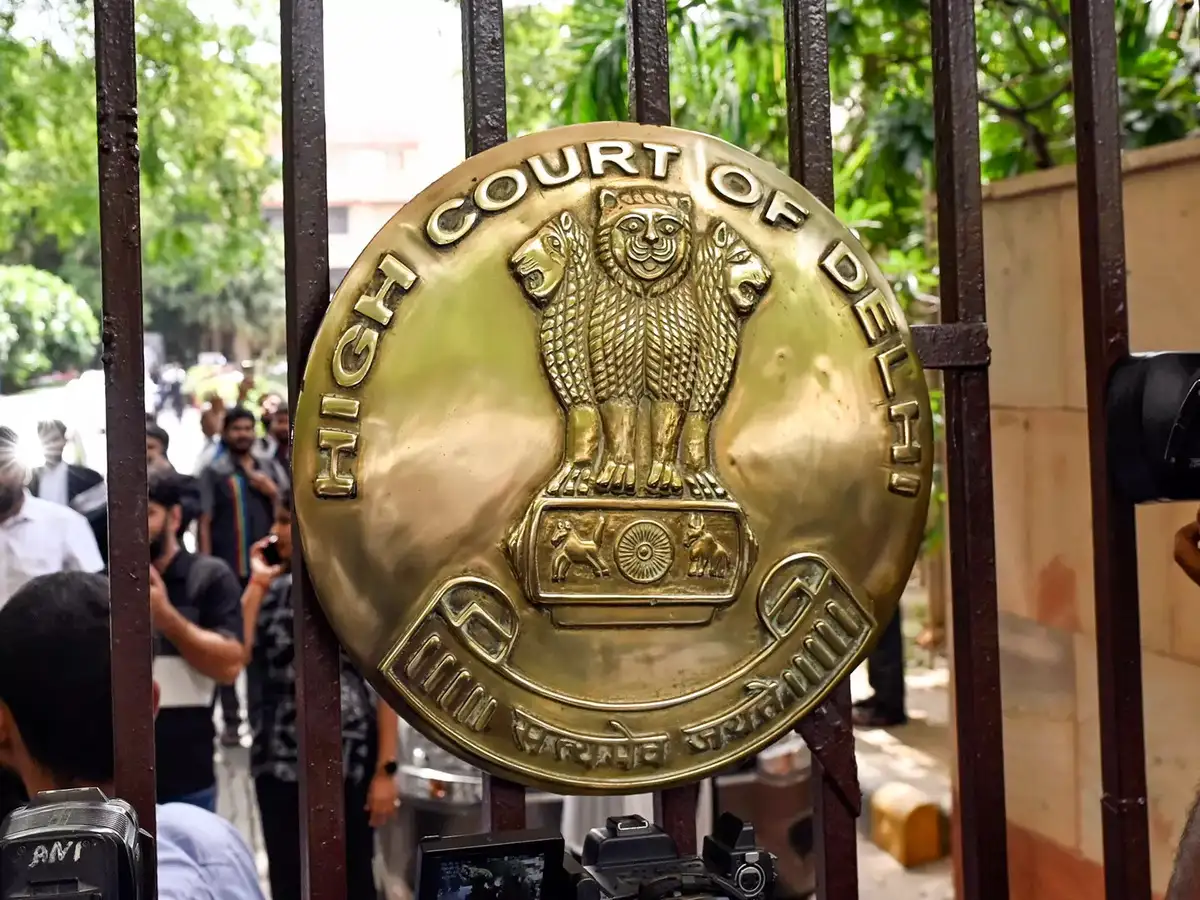
The Delhi High Court has raised serious concerns over long-standing transparency gaps within the Municipal Corporation of Delhi, signalling deeper governance challenges in one of India’s largest urban administrations. The court’s intervention brings renewed focus to how civic opacity can weaken public trust, distort local decision-making, and slow the delivery of essential urban services.
During proceedings this week, the court examined whether the civic body has fulfilled its statutory obligation to proactively publish public information under the Right to Information framework. The case centres on the absence of regularly updated records such as council resolutions, committee decisions, and legislative reports from the corporation’s official digital platforms for nearly two decades.
Urban governance experts say the issue goes beyond procedural non-compliance. Municipal resolutions shape neighbourhood-level outcomes, including infrastructure approvals, zoning decisions, sanitation contracts, and capital expenditure priorities. When such information is not readily accessible, residents, researchers, and even market participants operate with incomplete knowledge, undermining accountability and informed civic participation.
The petition before the court was filed by a civil society organisation focused on governance and environmental law, which argued that the lack of structured, searchable disclosures defeats the very purpose of transparency legislation. According to those familiar with the case, while fragments of information exist online, the absence of a comprehensive, up-to-date catalogue makes it nearly impossible for citizens to track how decisions affecting their localities are taken.
Representatives of the civic body informed the court that corrective steps are being evaluated, including publishing minutes and resolutions of the municipal house and its various committees. However, the judiciary indicated that delayed intent does not substitute for compliance, particularly when the law mandates routine, proactive disclosure without the need for individual information requests.
For a city navigating complex challenges from air pollution and climate resilience to housing supply and infrastructure finance the episode highlights how institutional transparency underpins effective urban management. Planners note that access to municipal data enables better coordination between public agencies and private developers, supports evidence-based policymaking, and reduces friction in project approvals.
The court has now directed the Municipal Corporation of Delhi to submit a detailed affidavit outlining concrete measures taken to implement proactive disclosure norms. This includes explaining how information is published, updated, and communicated to the public. The matter is scheduled for further consideration in April, keeping regulatory pressure firmly in place. The outcome could have implications beyond Delhi. As Indian cities increasingly rely on digital governance and data-driven planning, courts and regulators are signalling that transparency is not optional infrastructure it is foundational. For residents, investors, and civic institutions alike, sustained compliance with information disclosure norms may prove essential to building more responsive, equitable, and resilient urban systems.
Delhi High Court Flags MCD Transparency Lapses