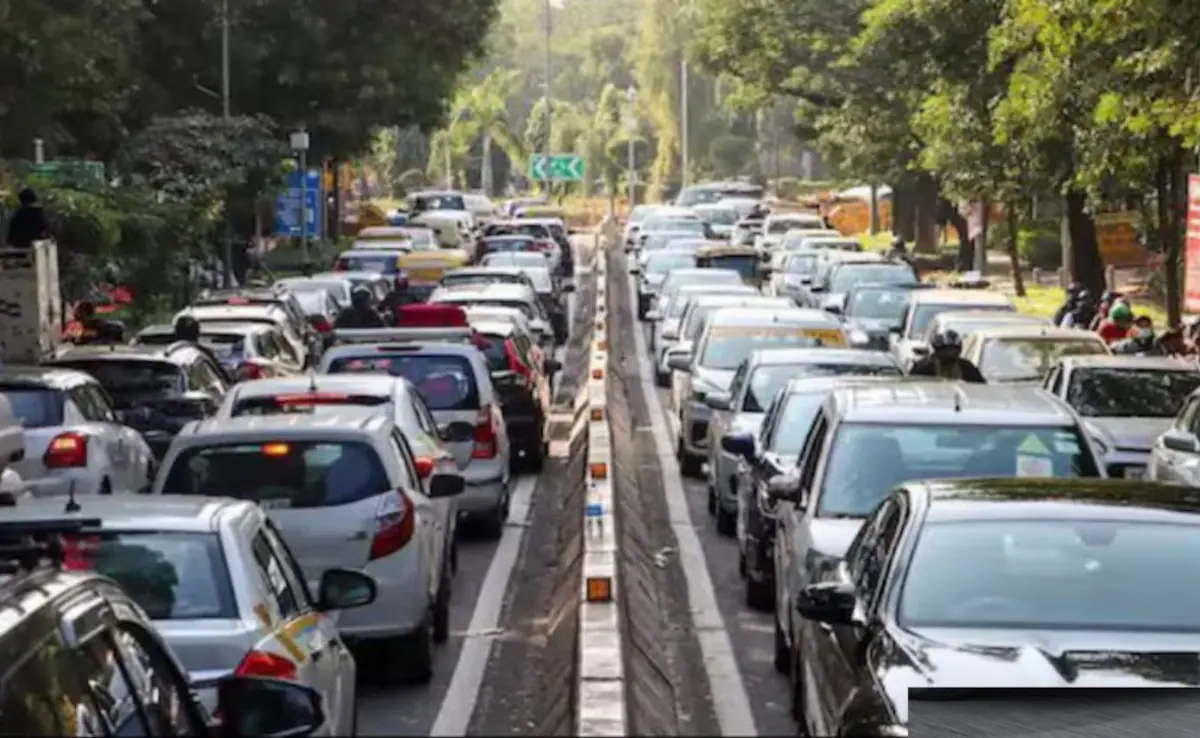
Delhi-NCR may be heading towards its most far-reaching transport transition yet, as a regulatory roadmap under discussion proposes a gradual but definitive withdrawal of petrol and diesel vehicles over the next two decades. The plan, being examined by air quality authorities, signals a structural shift in how mobility, public health, and urban infrastructure are expected to evolve in India’s most polluted metropolitan region.
According to officials familiar with the deliberations, the proposed framework prioritises the accelerated removal of older emission-standard vehicles while creating long transition windows for newer fleets. Vehicles compliant with early Bharat Stage (BS) norms could face near-term exit, while BS-IV vehicles may be phased out within five years. More significantly, even BS-VI vehicles currently the cleanest internal combustion engines on Indian roads could face use restrictions and eventual withdrawal between the mid-2030s and 2040. The proposed timeline reflects growing concern that incremental emission improvements are insufficient in a region where vehicular pollution remains a dominant contributor to poor air quality. Health data reviewed by the panel highlights rising respiratory distress among vulnerable groups, including infants and the elderly, during prolonged pollution episodes. Urban health experts say this has sharpened the policy focus from emission reduction to emission elimination.
At the core of the draft framework is a decisive push towards zero tailpipe emission mobility, including electric and hydrogen-based vehicles. Commercial transport is expected to lead this transition, given its disproportionate pollution footprint. Authorities are considering mandates that would require all newly registered two-wheelers used for delivery services and taxis to adopt zero-emission technologies within the next few years. Freight-oriented light commercial vehicles could follow soon after, reshaping last-mile logistics across the NCR.
For private vehicle owners, the shift is likely to be slower but no less consequential. A future cut-off for new petrol and diesel car registrations would place pressure on manufacturers, dealerships, and buyers to re-evaluate long-term costs, resale values, and infrastructure readiness. Real estate developers and facility managers are already tracking these discussions closely, as charging access at homes, offices, and mixed-use developments becomes a critical urban service.
To support this transition, policymakers are exploring a statutory ‘right to charge’, aimed at preventing housing societies or commercial landlords from blocking charging installations. Financial incentives across vehicle categories are also under consideration, particularly to avoid penalising early adopters of BS-VI vehicles who purchased them under earlier regulatory assurances.
The roadmap also proposes strengthening emission monitoring through real-world testing, including remote sensing technologies. While these systems promise better enforcement, transport experts caution that India’s dense traffic conditions pose technical and operational challenges that must be resolved before large-scale deployment.
If adopted, the framework would mark a turning point for Delhi NCR’s transport economy impacting vehicle manufacturing, fuel supply chains, urban design, and household mobility decisions. The coming months will determine whether the region can align regulatory ambition with infrastructure capacity, ensuring that cleaner air does not come at the cost of unequal access or economic disruption.
Delhi NCR Prepares Multi Decade Vehicle Shift