


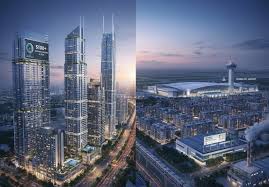
A new real estate developer has entered the Delhi–NCR housing market, positioning itself at the ultra-luxury end of South Delhi’s tightly held residential landscape. The company formally announced its market debut at an industry event in Gurugram, alongside plans for a boutique residential development in Greater Kailash-I one of the capital’s most established premium neighbourhoods.
The entry comes at a time when India’s luxury housing segment is undergoing a recalibration. While large-format developments dominate peripheral urban corridors, demand within legacy city districts is increasingly shaped by scarcity, redevelopment constraints and a preference for low-density living. South Delhi, in particular, has seen limited new supply due to zoning restrictions and plot fragmentation, making carefully planned boutique projects a distinct sub-market within the broader NCR real estate ecosystem. According to urban development experts, the focus on limited inventory reflects a wider shift in buyer preferences. High-net-worth households are prioritising privacy, design integrity and long-term asset quality over scale-driven amenities. Smaller projects in central locations also tend to align better with existing urban fabric, reducing pressure on infrastructure compared to large gated enclaves on city edges. The proposed Greater Kailash-I development is positioned as an ultra-luxury residential offering, with emphasis on architectural detailing, interior planning and controlled density. Industry observers note that such projects typically rely on redevelopment or land aggregation models, which require careful navigation of regulatory approvals and neighbourhood sensitivities.
When executed responsibly, they can contribute to urban renewal without significant displacement or environmental stress. The developer’s market entry was marked by a high-profile launch event, a strategy increasingly common among new real estate brands seeking differentiation in a crowded premium segment. However, analysts caution that long-term credibility in luxury housing depends less on brand visibility and more on delivery timelines, construction quality and post-handover asset management areas where buyers are becoming increasingly discerning. From an urban planning perspective, boutique luxury developments in core city areas raise important questions about inclusivity and land use efficiency. While such projects cater to a narrow buyer base, they also play a role in upgrading ageing housing stock, improving energy efficiency and modernising building safety standards. Experts suggest that aligning high-end redevelopment with climate-responsive design and resource-efficient construction will be critical as cities pursue low-carbon growth pathways.
The NCR market continues to attract new entrants despite rising land costs and regulatory complexity, underlining sustained confidence in the region’s long-term urban and economic fundamentals. As infrastructure connectivity improves and policy emphasis shifts towards quality-driven urbanisation, the success of new developers will hinge on their ability to balance exclusivity with responsible city-making.
Also Read: Budget 2026 links infrastructure push to housing markets
NCR real estate market adds boutique luxury player
