


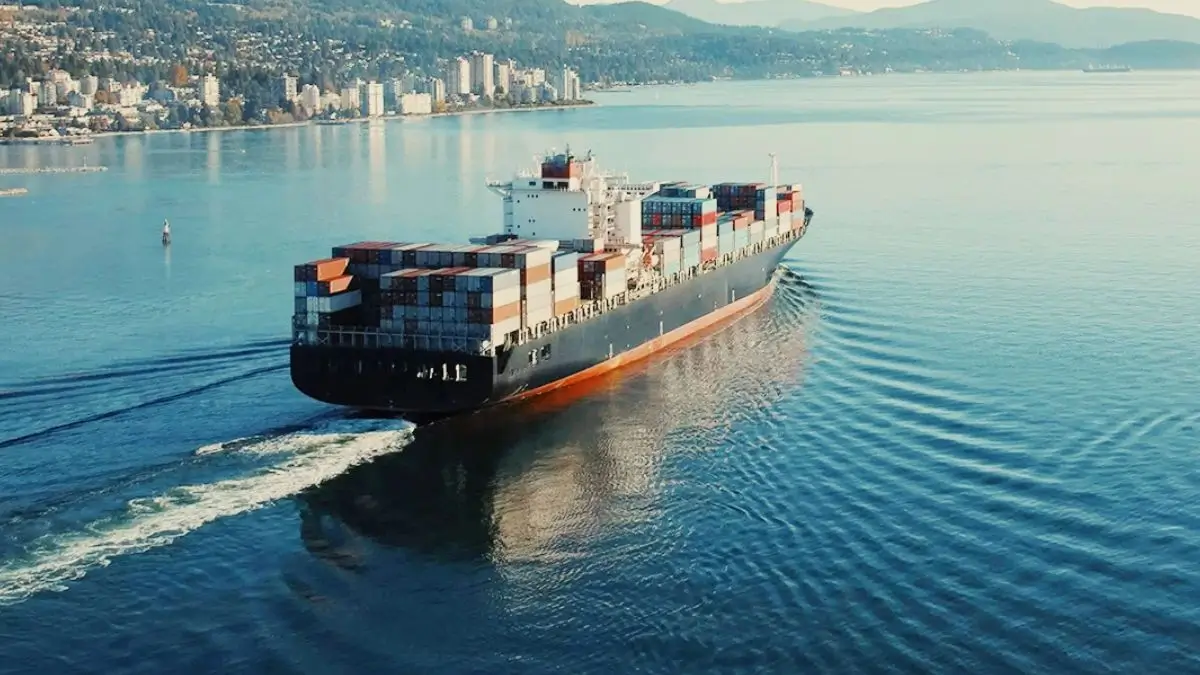
New Delhi — India has taken a significant step towards establishing a national container shipping line, signalling a strategic effort to reduce dependence on foreign carriers and strengthen maritime logistics resilience. A memorandum of understanding signed between a state-backed shipping entity and a key logistics partner outlines an investment roadmap estimated at ₹59,000 crore, positioning container shipping as a critical pillar of the country’s infrastructure and trade strategy.
The proposed initiative aims to develop a domestically anchored container fleet capable of servicing major global and regional trade routes. Industry analysts view the move as a response to persistent vulnerabilities exposed during recent supply chain disruptions, when freight costs surged and Indian exporters faced capacity shortages amid limited control over overseas shipping assets. Maritime officials familiar with the plan indicate that the proposed container line would be developed in phases, with capital allocated towards vessel acquisition, operational infrastructure, and long-term fleet modernisation. The scale of investment suggests an ambition to compete meaningfully in international shipping markets rather than remain a marginal operator reliant on chartered capacity. For India’s port cities and logistics corridors, the implications are substantial. Container traffic underpins manufacturing exports, e-commerce distribution, and industrial supply chains across coastal and inland regions. Urban planners note that a stronger national shipping line could improve throughput certainty at ports, enabling better planning for port-led development, warehousing zones, and multimodal logistics parks aligned with rail and road networks.
Economists point out that freight volatility disproportionately affects small exporters and import-dependent sectors. A domestic container shipping capability could help stabilise freight availability and costs, supporting equitable growth by improving market access for manufacturers beyond major metros. It may also encourage greater participation of Indian firms in global value chains, particularly in time-sensitive sectors such as electronics, pharmaceuticals, and processed foods. From a sustainability perspective, the long-term value of the project will hinge on fleet design and operational standards. Shipping experts stress that new vessels offer an opportunity to adopt fuel-efficient technologies, alternative fuels, and digital optimisation systems that reduce emissions per unit of cargo. As global shipping faces tightening carbon regulations, early alignment with cleaner maritime standards could future-proof India’s investment. However, analysts caution that building a national container line is not solely a capital challenge. Commercial viability will depend on route selection, port efficiency, turnaround times, and integration with inland logistics systems. Without parallel improvements in port operations and last-mile connectivity, vessel ownership alone may not translate into competitive advantage.
The initiative also raises questions for urban governance in coastal cities, where increased shipping activity can strain infrastructure if not planned responsibly. Balancing economic growth with environmental safeguards and community impacts will be essential as capacity expands. As detailed project structures and timelines emerge, the proposed shipping line will be closely watched as a test of India’s ability to align strategic infrastructure investment with resilience, sustainability, and long-term trade competitiveness in an increasingly uncertain global logistics landscape.
Also Read: India Ports Rethink Ship Design Capabilities
India Moves To Build National Container Shipping Line
