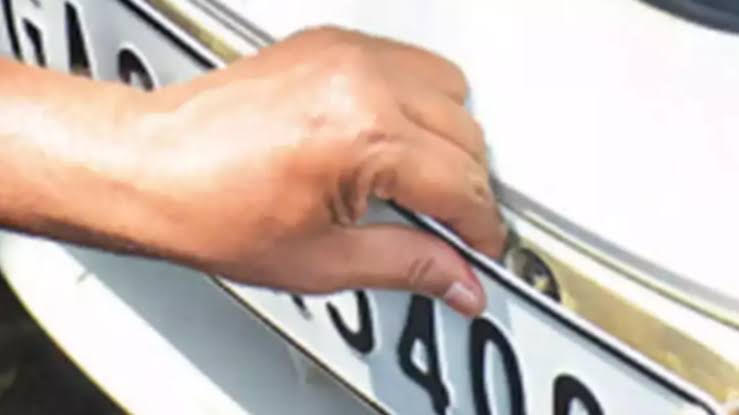
Pune Vehicles Face Strict HSRP Enforcement After Deadline
Maharashtra is set to enforce strict compliance with high-security registration plate (HSRP) regulations across its road network from February 18, after protracted delays and repeated deadline extensions for vehicles that lack these tamper-resistant plates. The move by the state transport department reflects ongoing efforts to strengthen vehicle traceability and safety, but also exposes systemic challenges in implementation — particularly in high-density urban centres such as Pune.
Under the mandate, vehicles registered before April 1, 2019, are required to be fitted with HSRPs — metal plates with embedded security features designed to curb vehicle theft and prevent number-plate fraud — to align with national road transport rules. After the final compliance cut-off of December 31, 2025, the transport department is ending all grace periods and will begin enforcement actions, including fines and document checks, for vehicles still without HSRPs. Officials say a 15-day buffer will allow those who booked appointments before February 18 but remain unfitted to complete the process without penalty.Transport Commissioner personnel have underscored that checks will now extend beyond plates themselves to relevant documentation such as registration certificates, insurance, pollution under control certificates and driving licences during roadside inspections. This broader scrutiny forms part of a layered enforcement strategy to improve overall vehicle compliance and road safety.
Compliance rates vary widely across the state. In the Pune region — which has one of the larger concentrations of older vehicles — only about 35 per cent of eligible vehicles have been fitted with HSRPs, leaving a significant enforcement burden ahead for authorities.For decades, Pune and other rapidly urbanising cities in the Mumbai Metropolitan Region have grappled with high vehicle densities, sprawling road traffic and associated safety risks. While HSRPs have been framed as a tool to mitigate theft and improve enforcement outcomes, their rollout has been hampered by structural constraints. Vehicle owners have reported technical glitches in the online appointment system, challenges in securing installation slots and closures of authorised fitment centres, especially during peak compliance periods.
Urban transport analysts say the enforcement pivot should be accompanied by sustained investments in service delivery infrastructure — including more fitment centres, simplified booking systems and clearer public guidance — to avoid penalising compliant citizens unduly. They also note that broader issues such as vehicle over-population, road safety protocols, and integration with regional transport-demand management plans are necessary to maximise the policy’s intended impact.At the same time, persistent non-compliance — with over one crore vehicles across Maharashtra’s RTO jurisdictions still awaiting HSRP installation — highlights the scale of administrative and behavioural challenges in realising state-wide regulatory goals.
For Pune commuters and commercial drivers alike, the enforcement phase will be a test of policy execution. How authorities balance regulatory rigour with accessibility, and how they address underlying delivery shortfalls, will shape civic trust and the city’s approach to mobility governance in the years ahead.