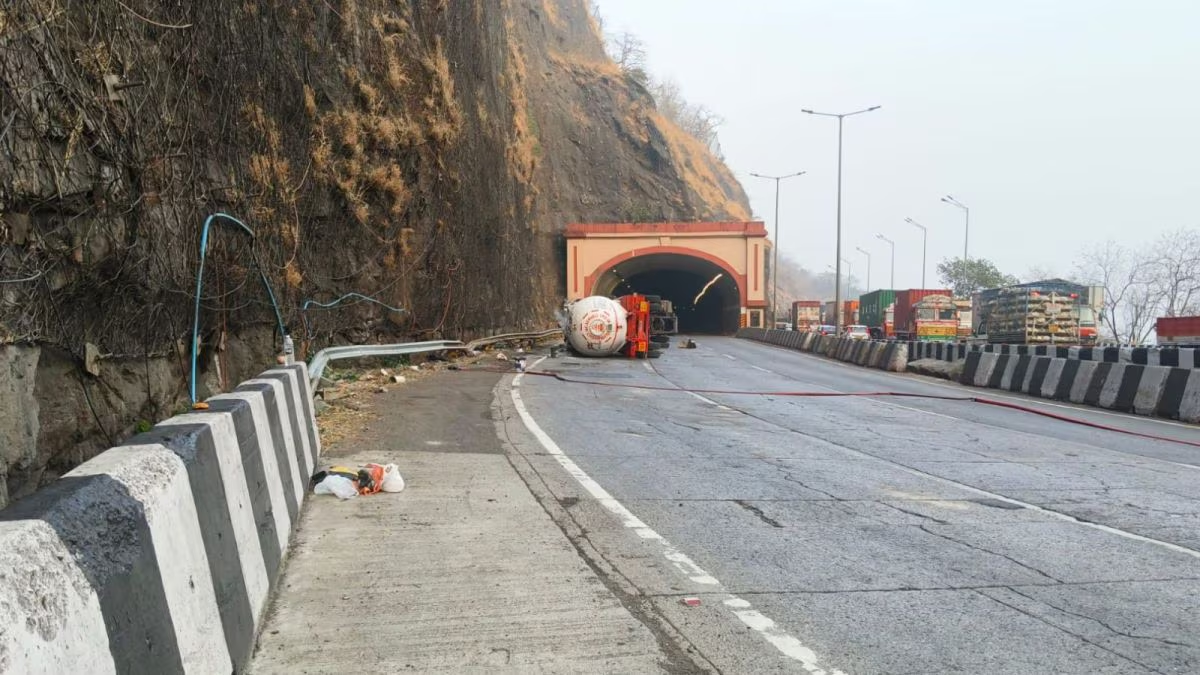
A serious disruption on the Mumbai-Pune Expressway left thousands of motorists stranded for more than 12 hours on Tuesday evening and into Wednesday after a tanker carrying highly flammable propylene gas overturned in the Khandala Ghat section near the Adoshi tunnel. The resulting traffic paralysis revealed critical stress points in one of India’s busiest intercity transport corridors at a time when urban mobility and resilience are central to regional economic integration and climate-adaptive infrastructure planning.
The accident occurred around 5 pm, when the tanker lost control while descending the ghat slope and toppled onto its side, triggering a leak of propylene — a chemical widely used in industrial applications but dangerous in an unconfined release. Authorities immediately suspended Mumbai-bound traffic as a safety measure, diverting vehicles onto the opposite carriageway. However, persistent gas leakage prevented clearance crews from reopening lanes promptly, resulting in gridlock that stretched for kilometres on both sides.Commuters reported being stuck for hours without access to food, water or basic sanitation facilities, highlighting gaps in contingency planning for extended highway closures. Many passengers — including families with children — were forced to remain in stationary vehicles overnight, prompting frustration across social media as authorities worked to manage the scene.
Transport analysts say such long delays on a major expressway underline the fragility of road networks that lack sufficient emergency staging areas, rapid incident response capacity and alternative routing options. “When a corridor like this operates near capacity, even a single hazardous spill can cripple movement,” says a senior infrastructure planner familiar with expressway operations. “This points to a need for integrated traffic management systems and pre-positioned evacuation and relief protocols.”Urban mobility experts argue that climate resilience and safety must be embedded in highway design and operations, especially where steep terrain exacerbates accident risk. The Khandala Ghat segment, a frequent bottleneck for both freight and passenger traffic, has limited room for rapid diversion and emergency access, magnifying the impact of incidents. Sustainable mobility advocates also say multi-modal alternatives — including rail services between the two metropolitan regions — could serve as risk buffers when road transport is disrupted.
State highway traffic police urged motorists to avoid the expressway until normal flow was restored and explored detours using the parallel old Mumbai-Pune corridor. However, heavy traffic on secondary routes underscored the expressway’s role as a critical economic artery linking India’s financial capital with Pune’s industrial and IT ecosystems.The episode also raises questions about the transport of hazardous materials through densely trafficked intercity highways. Regulatory bodies may now face calls to review routing restrictions, emergency response training and infrastructure investments to mitigate similar incidents — particularly as vehicle kilometres travelled continue to rise across the Mumbai Metropolitan Region.
As authorities work to clear the site and restore full traffic movement, planners stress that addressing systemic vulnerabilities on key corridors like the Mumbai-Pune Expressway is vital for enhancing economic resilience, commuter safety and sustainable urban-regional connectivity.