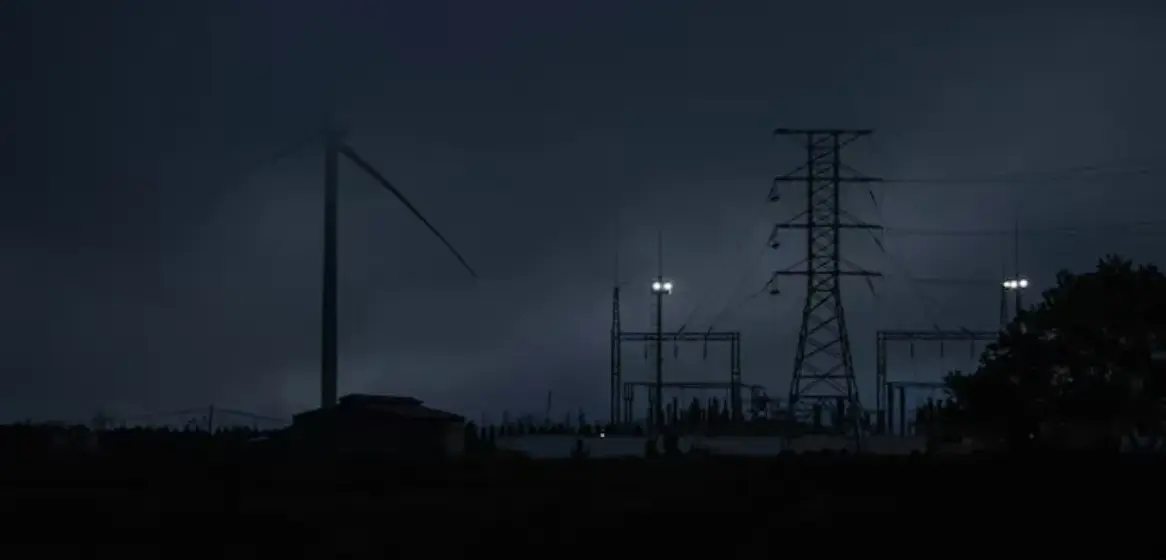
Several major Indian cities, including Delhi, Mumbai, Kolkata, Bengaluru, Noida and Ghaziabad, faced planned and unplanned disruptions to electricity and water supply on Tuesday, underlining the growing pressure on ageing urban utility networks. The interruptions, driven by maintenance work, infrastructure upgrades and technical faults, disrupted households, small businesses and essential services, bringing everyday urban dependence on reliable utilities into sharp focus.
In the National Capital Region, parts of east and north-east Delhi experienced temporary water shortages following scheduled maintenance at a key treatment facility along the Yamuna. Residents in multiple neighbourhoods were advised to manage consumption through the day, with municipal agencies deploying tankers to mitigate shortfalls. At the same time, select residential pockets in north-west Delhi saw staggered electricity shutdowns due to local grid maintenance, adding to commuter and work-from-home challenges. Urban planners note that such simultaneous water and power disruptions, even when planned, highlight the interconnected nature of city systems. Water pumping, sewage treatment and digital connectivity all depend on uninterrupted electricity, making coordination between civic departments critical. A senior municipal official said advance scheduling and decentralised backup systems remain uneven across Indian cities, often leaving residents to absorb the inconvenience.
Beyond Delhi, electricity maintenance schedules affected large sections of central and western India. In Bhopal, power distribution authorities undertook extensive network upgrades across dozens of localities, citing feeder restructuring and substation expansion. While these works are aimed at improving long-term reliability, the short-term impact included several hours without power for residential colonies, markets and small manufacturing units. Rajasthan’s cities of Ajmer and Kota also reported extended power outages linked to routine grid upkeep. Industry representatives pointed out that even brief interruptions can affect micro and small enterprises, particularly those dependent on continuous machinery operation or digital transactions. Similar concerns emerged in parts of Bengaluru, where electricity shutdowns for line upgrades and substation maintenance disrupted mixed-use neighbourhoods and peri-urban industrial clusters.
In eastern Uttar Pradesh, a prolonged power failure caused by a technical fault left rural communities without electricity for multiple days, compounding water access issues and highlighting disparities between urban and rural infrastructure resilience. Energy experts argue that such incidents underscore the need for faster fault response systems and investment in distributed energy solutions.
While utility providers emphasise that maintenance is essential to prevent larger failures, urban policy analysts stress the importance of transparent communication, predictable scheduling and climate-resilient design.
Rising temperatures, erratic weather patterns and growing demand are placing additional stress on grids and water systems not originally designed for today’s urban scale. As Indian cities continue to expand, coordinated investments in modernising power and water infrastructure will be critical. Strengthening redundancy, promoting energy efficiency and integrating renewable sources can reduce the frequency and impact of disruptions, ensuring that essential services keep pace with the demands of inclusive and sustainable urban growth.
Delhi Service Interruptions Highlight Infrastructure Gaps