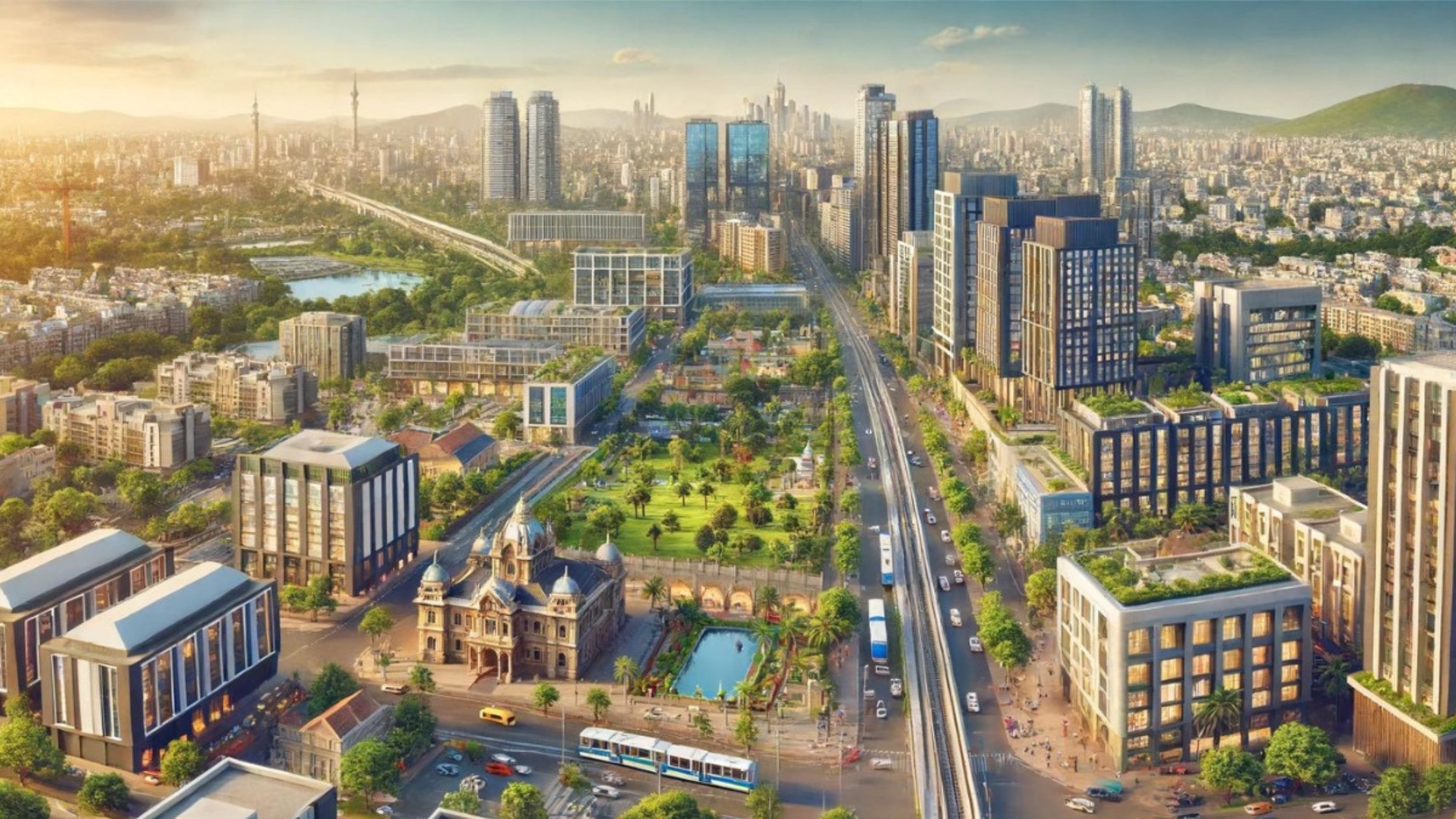
Pune’s residential housing market is undergoing a quiet but consequential shift. Across key growth corridors and established neighbourhoods, homebuyers are recalibrating what matters most, placing location efficiency, reliable connectivity, and transactional transparency above lifestyle branding or superficial amenities. The change reflects a maturing urban market shaped by infrastructure pressures, longer commutes, and heightened buyer awareness, with implications for how the city grows and how developers operate.
Industry experts tracking buyer behaviour note that residential demand in Pune is increasingly anchored to daily functionality. Proximity to employment zones, schools, healthcare, and public transport now plays a decisive role in purchase decisions. With congestion rising and hybrid work stabilising commuting patterns rather than eliminating them, buyers are prioritising homes that reduce travel time and integrate seamlessly with the city’s infrastructure grid. This emphasis on connectivity is also influencing planning choices. Projects near metro corridors, arterial roads, and established civic amenities are attracting stronger interest, even as peripheral developments face closer scrutiny. Urban planners argue that this trend could encourage more compact, transit-oriented growth a necessary correction for a city grappling with urban sprawl and environmental stress. Equally significant is the growing insistence on trust and clarity in real estate transactions. Homebuyers are demanding predictable timelines, clear payment structures, and verifiable project disclosures.
Industry observers say this reflects lessons learned from past delivery delays and opaque practices that eroded buyer confidence across Indian cities. In Pune, where end-user demand dominates over speculative buying, accountability has become a baseline expectation rather than a value add. Developers responding to this shift are strengthening internal compliance systems, standardising communication, and aligning more closely with regulatory frameworks. Analysts note that transparent processes not only reduce dispute risk but also improve long-term asset value and market credibility an increasingly important factor as buyers view homes as both shelter and financial security. The recalibration of Pune homebuyer priorities is also reshaping competition within the sector. Construction quality and amenities remain relevant, but they are no longer sufficient on their own. Buyers are assessing whether projects genuinely support everyday living from commute resilience to post-possession service reliability.
This pragmatic mindset is likely to reward developers who integrate urban planning discipline with ethical business practices. From a civic perspective, the trend underscores a broader opportunity. As Pune homebuyer priorities align more closely with connectivity and transparency, the market may organically support more sustainable urban outcomes denser development near infrastructure, reduced travel emissions, and stronger institutional trust between citizens and the built environment. Looking ahead, the city’s residential sector faces a clear signal. As Pune continues to expand, homes that balance accessibility, environmental sensibility, and governance integrity are likely to define the next phase of urban growth not through marketing claims, but through measurable everyday value.