Pune Mumbai Expressway Shutdown Tests Urban Resilience
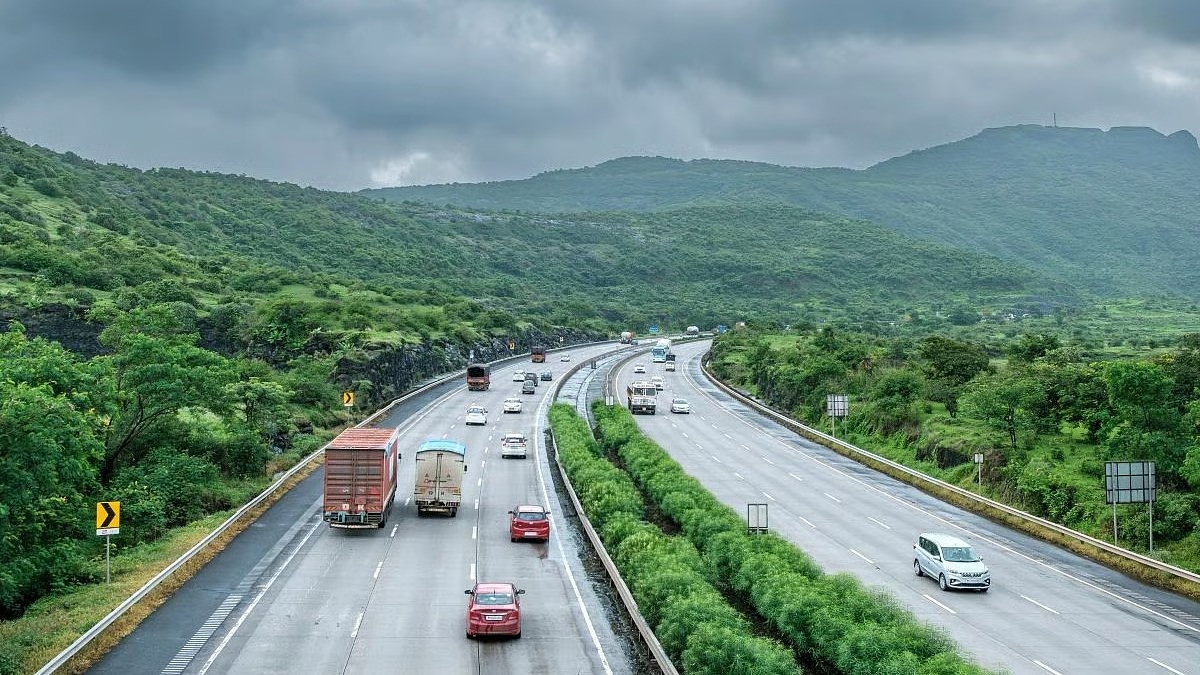
Traffic movement on the Mumbai–Pune Expressway was severely disrupted for more than half a day after a hazardous materials tanker overturned in the Khandala Ghat section, bringing one of India’s most critical intercity corridors to a near standstill. The incident, which occurred close to a tunnel stretch in Raigad district, left commuters stranded overnight and exposed operational vulnerabilities in managing emergencies on high-speed urban infrastructure. According to highway monitoring authorities, the tanker was transporting a highly flammable industrial gas and lost control while navigating a steep gradient. A leak detected immediately after the crash prompted safety agencies to halt traffic on the Mumbai-bound carriageway as a precaution.
Movement in both directions was affected as traffic was partially rerouted, creating long queues that stretched several kilometres through the ghat section. The Mumbai–Pune Expressway carries a significant share of passenger, freight, and bus traffic between Maharashtra’s two largest economic centres. Urban mobility experts note that prolonged blockages on this corridor have ripple effects across supply chains, emergency services, and regional labour movement, particularly when incidents involve hazardous cargo requiring specialised containment protocols. Passengers trapped inside private vehicles and public transport buses reported extended delays with limited access to basic amenities. For families, elderly commuters, and night-time travellers, the disruption highlighted gaps in roadside emergency preparedness, including access to water, sanitation, and real-time communication during prolonged stoppages.
Senior transport officials said multiple agencies were deployed to secure the site and neutralise the gas leak before attempting to remove the overturned vehicle. The operation was slowed by safety constraints inherent to volatile chemical transport, underscoring the complex risk profile of expressways that combine high speeds, difficult terrain, and mixed cargo traffic. Urban planners and road safety analysts argue that such incidents raise larger questions about how critical corridors like the Mumbai Pune Expressway are managed as traffic volumes grow. While the expressway was designed as a controlled-access route, increasing freight movement including hazardous materials demands upgraded monitoring systems, stricter speed enforcement on ghat sections, and dedicated emergency response infrastructure.
From a climate resilience and urban governance perspective, experts also point to the need for integrated incident response frameworks that prioritise commuter safety alongside continuity of movement. As extreme weather events, congestion, and logistics pressures increase, infrastructure resilience is no longer limited to physical durability but extends to institutional readiness and coordination. Traffic authorities advised motorists to avoid the route until full normalcy was restored, with gradual clearance expected only after safety approvals were secured. The episode serves as a reminder that India’s expressway network, while expanding rapidly, must evolve in parallel with stronger safety governance to support sustainable, people-first urban mobility.