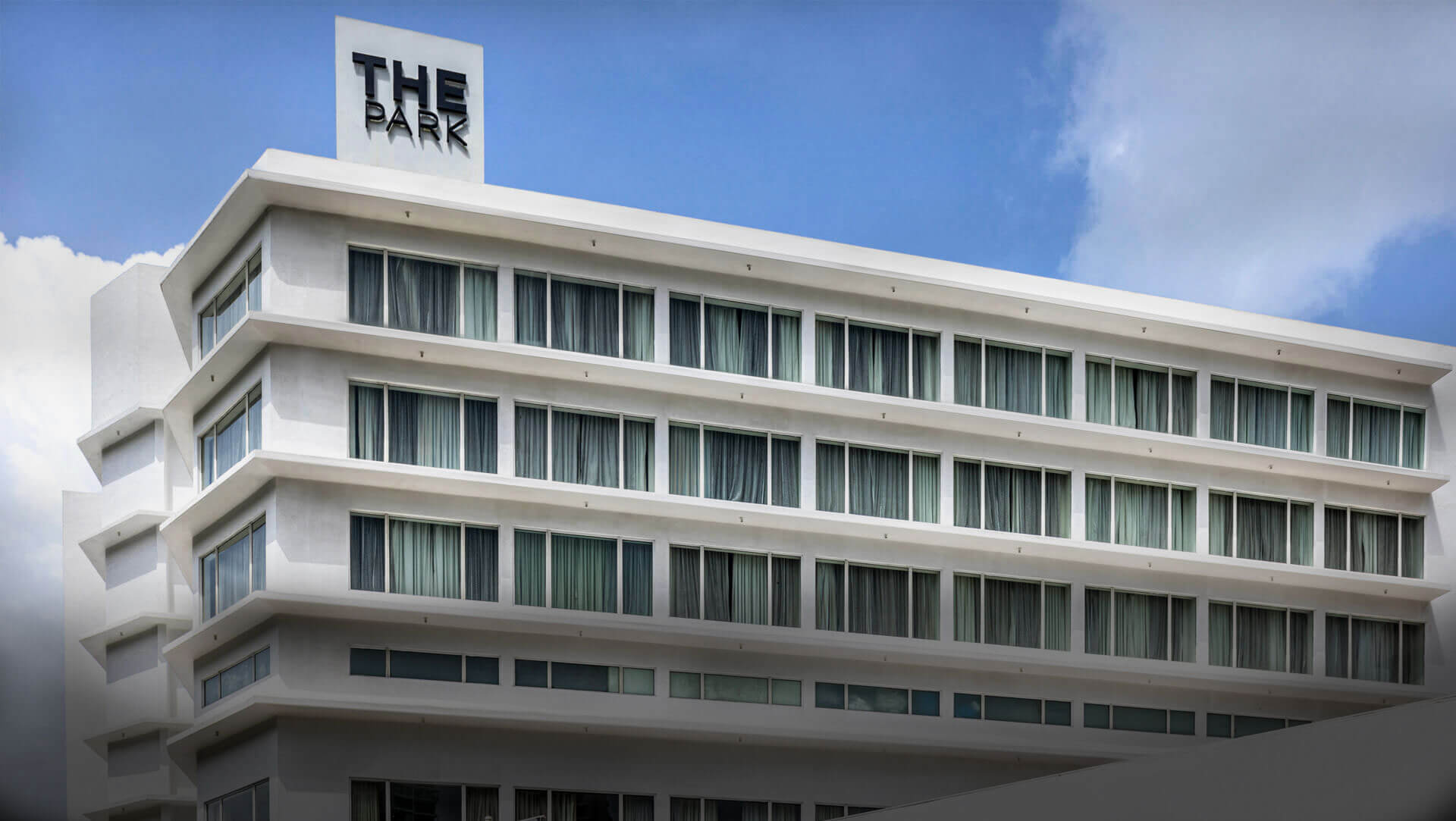
A leading hospitality property in Navi Mumbai has secured Indian Green Building Council (IGBC) certification, marking a significant step in the region’s gradual shift towards environmentally responsible tourism and low-impact urban development. The recognition comes as Navi Mumbai prepares for increased commercial and travel activity following the commencement of operations at the new international airport, raising important questions around sustainable growth in the city’s hospitality and real estate sectors.
The certification places the hotel among a growing number of urban assets aligning with national green building benchmarks at a time when cities are under mounting pressure to reduce carbon emissions, manage water stress, and improve energy efficiency. Urban planners note that hotels play a critical role in shaping local environmental outcomes due to their high consumption of power, water, and materials, particularly in rapidly developing metropolitan corridors such as the Mumbai Metropolitan Region. Located within proximity to the airport and key business districts, the Navi Mumbai property has adopted a range of measures aimed at reducing its environmental footprint while maintaining operational efficiency. Industry experts point out that such initiatives are increasingly becoming a business imperative rather than a branding exercise, especially as corporate travellers and institutional clients factor sustainability credentials into procurement and booking decisions.
Central to the hotel’s certification is its integration of renewable energy systems, which support daily operations and reduce dependence on conventional power sources. Solar installations, combined with energy-efficient lighting and climate control systems, have helped optimise electricity consumption across guest rooms and common areas. According to sustainability consultants, these interventions are critical in a region where peak energy demand continues to rise alongside commercial development. Water stewardship has also emerged as a defining component of the project’s environmental strategy. Advanced water-saving fixtures, reuse mechanisms, and monitoring systems have been deployed to curb wastage across hospitality functions such as kitchens, housekeeping, and landscaping. With urban Maharashtra facing recurring concerns around water availability, such practices are increasingly viewed as essential urban infrastructure rather than optional upgrades.
Waste management systems form another pillar of the property’s green compliance framework. Segregation at source, recycling protocols, and reduced landfill dependency reflect a broader shift towards circular economy principles within the hospitality sector. Urban policy observers note that these measures can significantly reduce the downstream burden on municipal waste systems when adopted at scale. Hospitality analysts believe the certification signals a wider transition within Navi Mumbai’s real estate ecosystem, where sustainability-linked design and operations are beginning to influence asset valuation and long-term resilience. As airport-led growth accelerates across the region, the challenge for developers and operators will be to balance economic expansion with environmental responsibility.
Looking ahead, experts argue that the real impact of such certifications will depend on continuous performance, transparency, and replication across the sector. For Navi Mumbai, the move underscores how hospitality infrastructure can support climate-aligned urban growth while responding to evolving expectations from citizens, investors, and travellers alike.
The Park Navi Mumbai Advances Green Hospitality