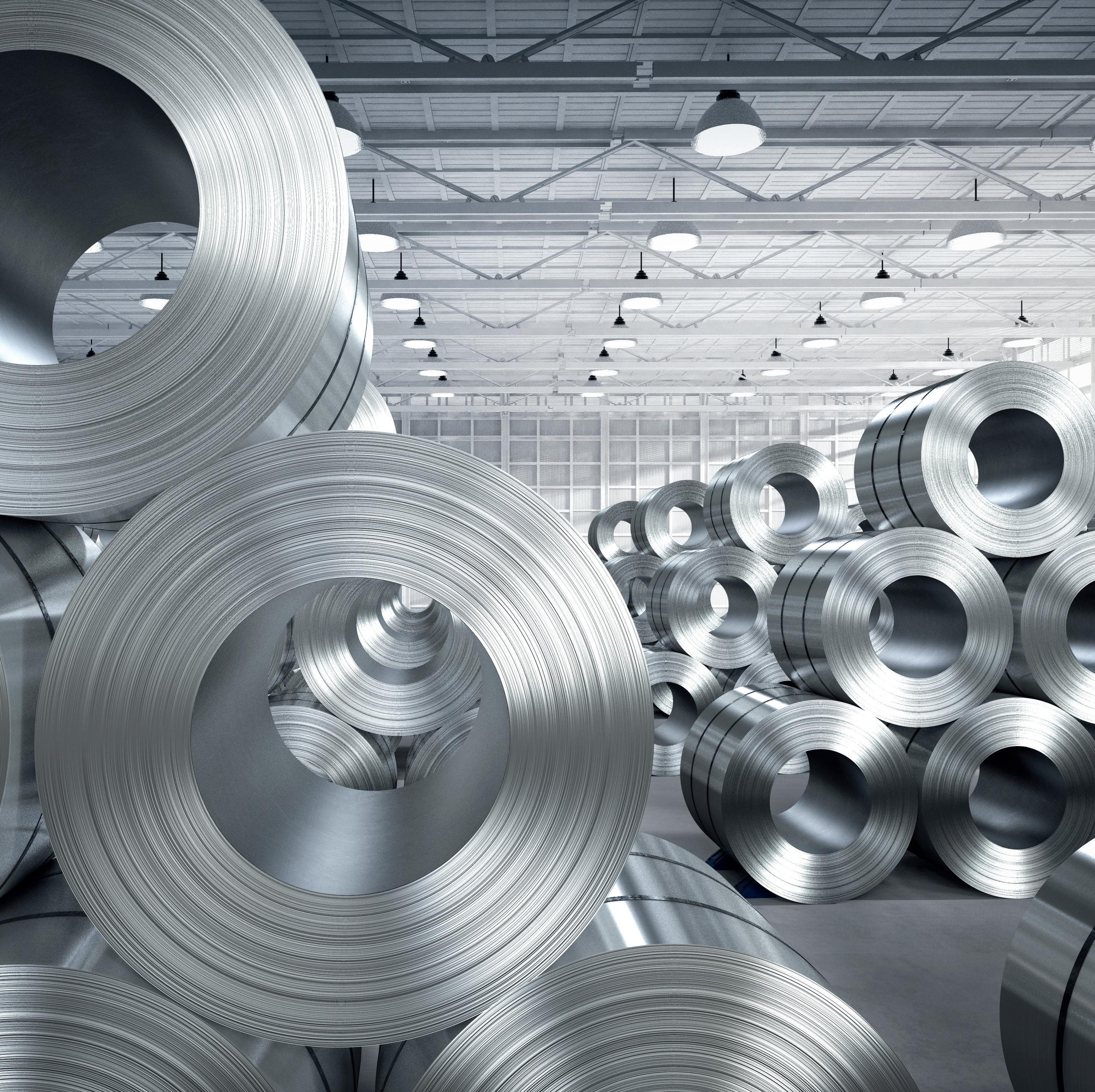
India has earmarked ₹20,000 crore in the FY27 Union Budget to accelerate carbon capture, utilisation and storage (CCUS) technologies across heavy industries — a move that industry leaders say could reshape how steel, cement and power sectors approach decarbonisation and competitiveness. The funding allocation, spread over five years, is already boosting confidence among producers tackling some of the economy’s highest emissions and steepest energy transition costs, underscoring its strategic importance for both climate goals and industrial growth.
For decades, India’s industrial base — particularly steel and cement — has faced a fundamental dilemma: expand capacity to support infrastructure and urbanisation while grappling with carbon-intensive processes that contribute significantly to national emissions. The recent CCUS push reflects a policy shift where emissions management is being integrated into long-term industrial strategy rather than treated as a peripheral compliance challenge.Steel production alone accounts for a considerable share of global greenhouse gas emissions, amplified in India by coal-dependent blast furnace operations. Similarly, cement manufacture remains one of the most carbon-intensive components of the built environment, largely due to the chemical nature of clinker production. Industry leaders have welcomed this budgetary backing as a signal that decarbonisation is becoming financially viable rather than a niche sustainability goal.
Senior representatives from trade associations highlight that predictable multi-year funding is crucial to attract technical partnerships, commercial investment, and scale deployment of CCUS solutions. By positioning carbon capture as part of mainstream industrial policy, policymakers are responding to both domestic climate commitments and external trade pressures, including carbon pricing mechanisms in export markets that increasingly penalise emission-intensive goods.However, experts caution that deploying CCUS across sprawling industrial clusters will require more than capital — it demands coordinated infrastructure for CO₂ transport, geological storage and utilisation pathways that can convert captured carbon into value-added products. Without such support systems, high capture costs and complex logistics could limit adoption despite the budget boost.
Economists point out that integrating CCUS with broader decarbonisation tools — such as green hydrogen, electrification of heat processes, and material innovations — will be critical for achieving meaningful emissions reductions while sustaining economic competitiveness. For urban and infrastructure sectors, lower carbon intensity in foundational materials like steel and cement can ease the transition to climate-resilient cities and buildings.For communities and developers, a robust CCUS ecosystem may also unlock new markets for low-carbon materials and create jobs in emerging clean tech segments. As implementation begins, what remains essential is clarity on regulatory frameworks, commercial incentives beyond budgetary allocations, and integration with India’s broader net-zero strategy.