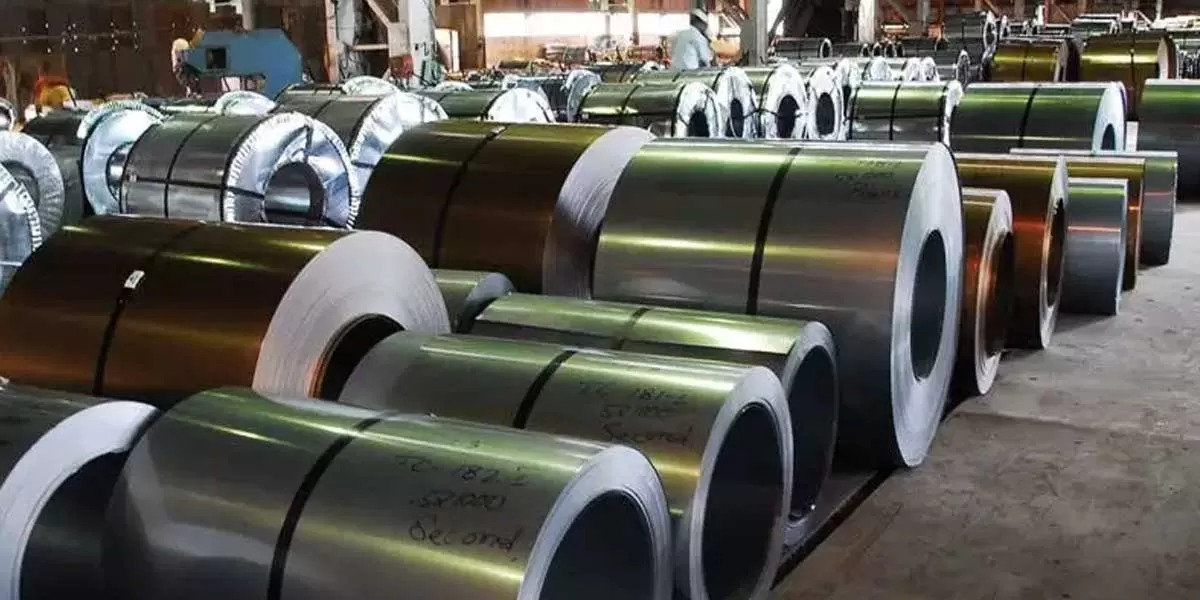
Maharashtra’s industrial landscape may shift significantly as Super Smelters Limited advances plans for a roughly ₹10,000 crore steel manufacturing investment in Gadchiroli district, with an MoU expected to be inked at the forthcoming ‘Advantage Vidarbha’ conclave, industry sources say. The move underscores deeper momentum in building a steel hub in eastern Maharashtra, potentially reshaping regional employment, supply chains and urban-rural linkages.
The proposed memorandum of understanding between Super Smelters — a unit of the Sai Group with an existing capacity of over four million tonnes and a 111-MW captive power plant — and state authorities is set to be formalised during the three-day industrial event beginning February 6. It comes amid a broader push by policymakers and investors to leverage Vidarbha’s abundant mineral resources and logistical advantages.Gadchiroli, long a periphery district with a history of socioeconomic challenges, has in recent years drawn attention from several steel makers, including major players eyeing multi-billion-dollar projects. The policy emphasis on the district is part of Maharashtra’s intent to decentralise industrial growth beyond traditional urban cores like Pune and Mumbai, fostering economic capacity in tier-2 and tier-3 regions.
The investment interest in Gadchiroli reflects both domestic demand dynamics and the strategic value of local iron ore deposits. The district’s ore grade has been cited by industry insiders as among the highest in the country, making it attractive for integrated steel production and downstream processes. Such projects link into wider plans to create a steel and logistics corridor across eastern Maharashtra, aligning with national goals for manufacturing expansion.Land assembly for large-scale steel projects is underway, with the Maharashtra Industrial Development Corporation (MIDC) acquiring extensive sites near Chamorshi to support multiple ventures. These acquisitions are crucial for ensuring the spatial footprint required for integrated manufacturing plants and associated infrastructure.
Urban planners and economic development experts highlight the potential multiplier effects of such investments. Beyond direct jobs in the steel sector, spillovers could support logistics parks, fabrication clusters and energy infrastructure, strengthening the region’s economic base. For emerging industrial townships around Gadchiroli, enhanced public services and housing — designed to accommodate a growing workforce — will be critical.However, industry analysts caution that MoUs do not guarantee project completion and hinge on regulatory clearances, environmental approvals and supply chain integrations. Effective execution will require frictionless coordination among state bodies, investors and community stakeholders to mitigate delays and ensure inclusive growth.
Environmental sustainability will also be a key focus, with advocates stressing low-carbon process technologies and robust pollution control, as steel production traditionally carries heavy energy and emissions footprints. If these initiatives align with climate resilience measures, Gadchiroli’s industrial expansion could become a model for responsible heavy-industry development in emerging economic corridors.