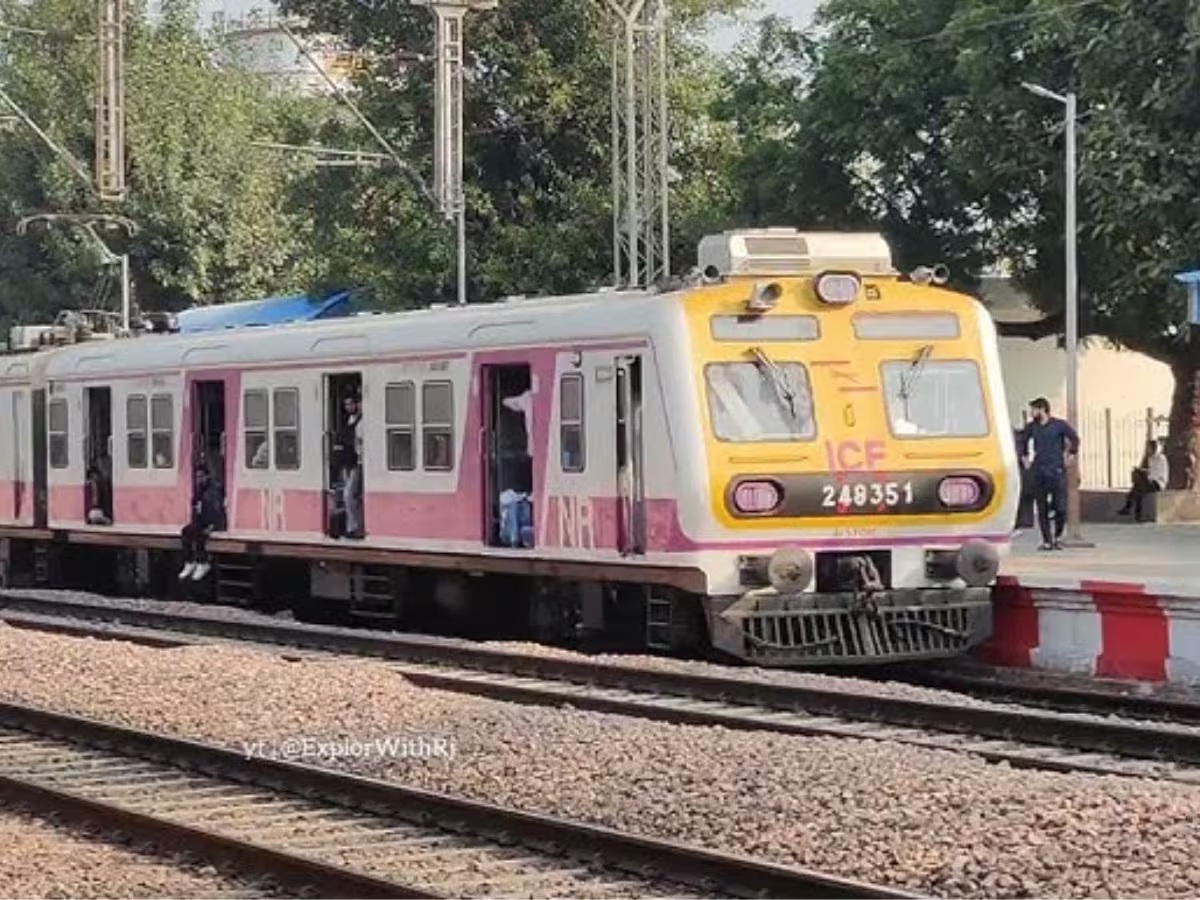
Maharashtra has secured an unprecedented ₹23,926 crore allocation for rail infrastructure in the 2026-27 national budget, signalling a strategic push to modernise mobility, improve inter-city connectivity and enhance freight logistics across the state. The allocation, confirmed by the Union Minister of Railways, reflects a broader emphasis on transport infrastructure that underpins economic competitiveness and sustainable urban development in India’s second-largest state.
The allocation is part of a wider railway capital expenditure framework that prioritises high-speed corridors, suburban rail modernisation and freight connectivity. Officials say the funding will substantially accelerate projects that have been stress-tested by Maharashtra’s rapid urban expansion and growing demand for efficient, low-carbon transport options.Central to the funding is the planned development of two high-speed rail corridors linking major economic hubs. One corridor will connect Mumbai and Pune, two engines of industry and services, reducing travel time dramatically and potentially reshaping commuter patterns between the financial capital and its fast-growing neighbour. Another is set to link Pune and Hyderabad, bridging two major knowledge and manufacturing clusters in western and southern India. These corridors are designed to operate at speeds far exceeding existing inter-city services, reducing travel times and congestion while encouraging a modal shift away from road transport.
Beyond high-speed connectivity, a dedicated freight corridor connection to Vadhavan Port is expected to give Maharashtra’s export and logistics sectors a new competitive edge. By integrating port infrastructure with inland freight networks, planners anticipate smoother cargo flows that cut costs and emissions associated with lengthy road transfers.The funding envelope also prioritises suburban rail enhancements, particularly in the Mumbai metropolitan region, one of the most densely populated urban agglomerations globally. Plans include an expanded fleet of climate-controlled local trains and upgraded station infrastructure that can accommodate longer trains and increased passenger volumes. Officials argue these measures will improve crowd management, comfort and energy efficiency, a key consideration for metropolitan planning.
Station redevelopment under national schemes will add modern amenities, improve accessibility for differently-abled users and streamline multimodal transfers — a crucial step toward inclusive urban transport design.Experts note that while the scale of investment is significant, execution will require sustained coordination between the railways, state government agencies and urban planners to minimise land acquisition delays and integrate with broader development goals. If effectively synchronized with local transit networks and city growth strategies, these rail enhancements could reduce carbon emissions, spur regional economic clusters and make daily mobility more reliable for millions of commuters.
Going forward, authorities will be scrutinising project timelines, cost management and delivery mechanisms to ensure that the funding translates into tangible infrastructure gains that support inclusive, climate-resilient urban and regional development.