Maharashtra IMD Forecast Weather Variation Across Regions
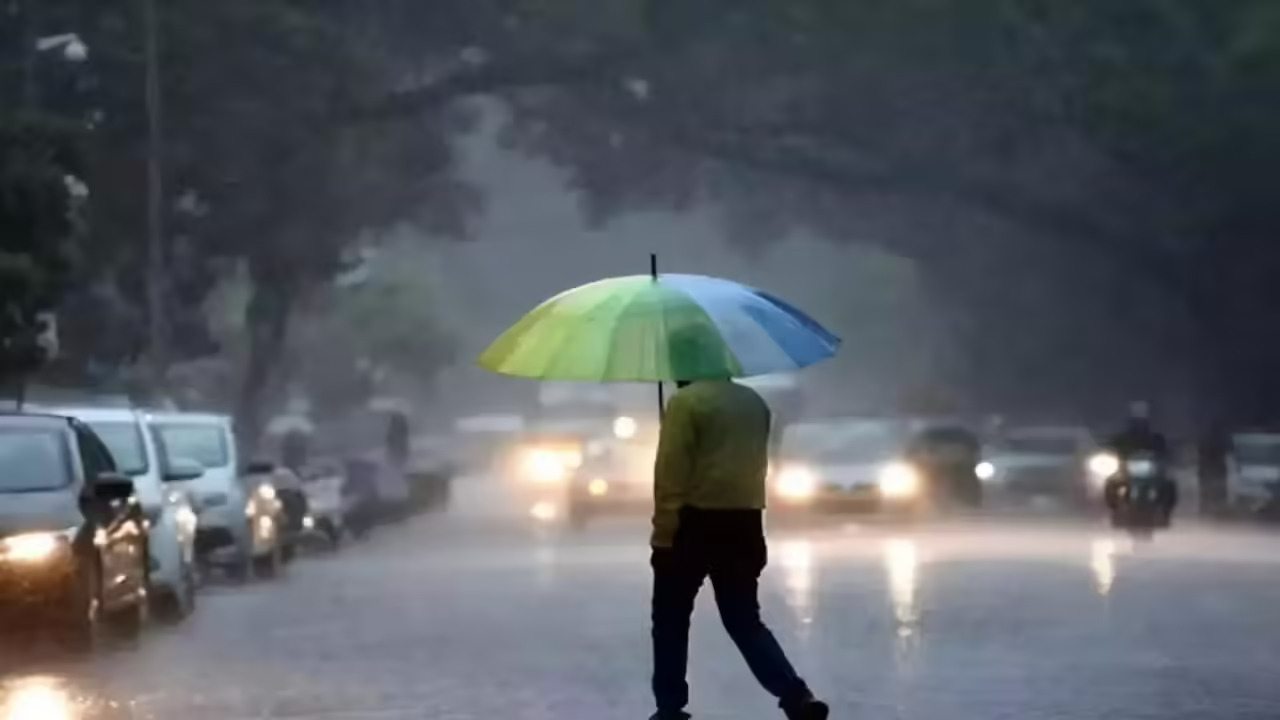
Maharashtra’s climate narrative shifted sharply this week as the India Meteorological Department (IMD) flagged unseasonal rain and thunderstorms across Marathwada and central Maharashtra, signalling volatile weather patterns early in 2026. The advisory, issued as temperatures fluctuate regionally and minimums are forecast to stay above long-term averages, underscores broader atmospheric instability that could reverberate through urban systems, rural livelihoods and seasonal agricultural cycles.
The IMD’s weather forecast is atypical for this time of year, when Maharashtra normally transitions from winter toward milder, stable conditions. Instead, forecasters anticipate scattered rainfall and thunderstorm activity over several districts, alongside rising minimum temperatures — a combination that reflects competing atmospheric influences. Warm, moisture-laden winds from the Bay of Bengal are colliding with residual cool air masses, creating conditions conducive to isolated storm cells, lightning and cloud cover.For urban residents in Pune and parts of central Maharashtra, the forecast means cloudier skies and variability in daily temperature cycles. While daytime highs are expected to remain comfortable, nights are forecast to be warmer than seasonal norms — partly due to this unsettled weather regime. Cities such as Nagpur and regions along the Konkan coast are also expected to see similar trends, with above-normal minimums reducing typical nocturnal cooling.
This weather variability has fresh resonance given recent extremes in the state’s climate history. In 2025, pre-monsoon periods saw excess rainfall well above seasonal averages, and instances where unseasonal showers damaged crops and strained grassroots disaster responses. Analysts suggest that such anomalies may be part of a widening pattern of climate volatility linked to larger teleconnections and shifting atmospheric dipoles that influence the Indian monsoon and inter-season weather behaviour. This doesn’t merely disrupt daily life; it complicates water resource planning, urban drainage design and agricultural scheduling.Farmers in drought-prone regions such as Marathwada are particularly exposed. Unseasonal moisture paired with warm night-time temperatures can increase crop vulnerability to fungal diseases and pest pressures, while also affecting fruit-set in horticulture and flowering patterns in staple crops. Urban infrastructure could also be stressed if thunderstorms produce intense, short-duration rainfall without adequate green stormwater management.
Public health and transport sectors are watching conditions closely too. Damp conditions and fluctuating night-day temperatures are linked to increases in respiratory and vector-borne illnesses, while wind gusts during storms can disrupt travel and air traffic.With climate models indicating continued variability through early 2026, authorities and citizens alike are urged to integrate weather uncertainty into planning — from crop calendars to urban flood resilience measures — as Maharashtra continues to navigate the intersection of climate trends and everyday exposure.