


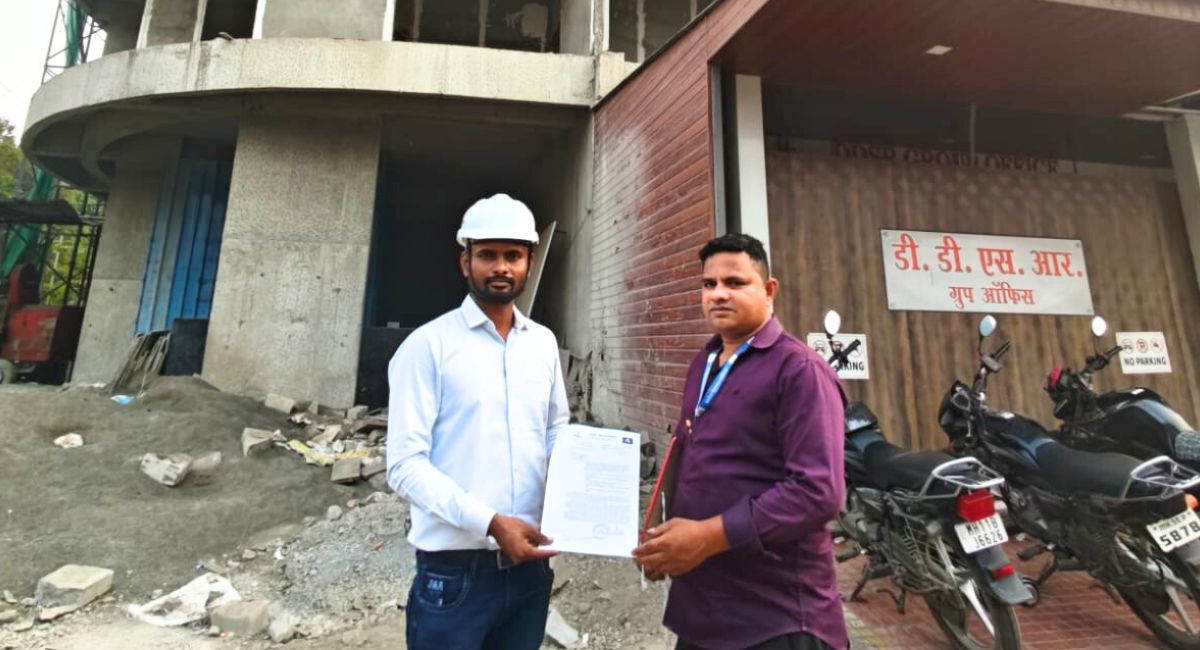
Urban construction activity in Panvel has come under sharp regulatory scrutiny as the city’s municipal authority ordered work to be suspended at multiple building sites for repeated non-compliance with air pollution control norms. The action follows a marked deterioration in local air quality, signalling a tougher enforcement phase as fast-growing satellite cities grapple with the environmental cost of rapid development.
The Panvel Municipal Corporation (PMC) has directed construction activity to stop at more than thirty projects spread across New Panvel, Kalamboli, Kamothe, and the older city areas. These sites were among a larger pool that had earlier received warnings for failing to implement mandatory dust-control measures. Civic officials said follow-up inspections revealed little to no corrective action, prompting the halt. Air quality readings across parts of Panvel breached safe thresholds in late January, with particulate pollution reaching levels categorised as severe in some locations. Environmental planners note that construction dust is a significant contributor to PM2.5 and PM10 concentrations in expanding urban zones, especially where large-scale building coincides with heavy traffic and dry weather conditions. According to officials involved in the inspections, many sites lacked even basic safeguards. Construction perimeters were not properly barricaded, exposed structures were left uncovered, and water-based dust suppression systems were either absent or non-functional. In several cases, transport of construction material was poorly managed, leading to spillage on public roads and further dust dispersion. Monitoring infrastructure such as real-time pollution sensors and surveillance systems was also missing at many locations, despite being mandatory. Alongside action against construction projects, the civic body has also issued compliance notices to commercial establishments using solid fuels. Bakeries, eateries, and small industrial kitchens have been asked to transition to cleaner energy sources, reflecting a broader attempt to tackle multiple pollution sources simultaneously rather than focusing solely on construction.
Urban governance experts say the move reflects a growing recognition that environmental enforcement cannot remain reactive. Satellite cities like Panvel, positioned near major transport corridors and industrial belts, are particularly vulnerable to air quality degradation if growth outpaces regulatory capacity. Temporary shutdowns, they argue, send a strong signal but must be accompanied by consistent monitoring and transparent compliance frameworks. The enforcement drive is part of a wider municipal strategy aimed at long-term pollution reduction. Planned interventions include fixed air-cleaning installations at traffic-heavy junctions, mobile dust suppression units for arterial roads, and enclosed waste transfer facilities designed to prevent secondary pollution from garbage handling. While developers have raised concerns in the past about project delays, planners stress that environmental compliance is not optional. Construction-led growth, they argue, must align with public health priorities, especially in cities absorbing population spillover from larger metros.
As Panvel continues to urbanise rapidly, the challenge ahead lies in balancing development momentum with environmental safeguards. The current crackdown suggests a shift toward stricter accountability one that could shape how emerging cities manage construction activity in an era of increasing climate and health risks.
Also Read: MHADA Opens Unsold Mumbai Homes via FCFS Route
Construction Faces Shutdowns Under Panvel Air Drive
