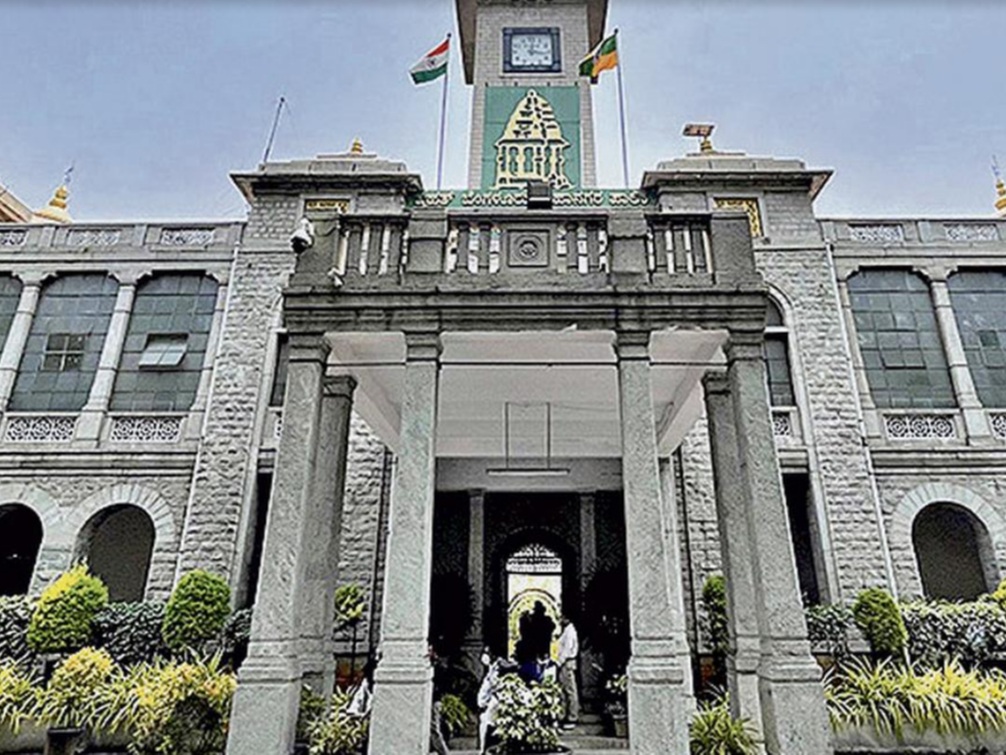
Bengaluru’s urban governance framework is entering a critical enforcement phase as the city’s apex civic authority prepares to auction thousands of properties over unpaid municipal taxes, signalling a sharper push for fiscal discipline amid rising infrastructure and climate-resilience spending needs. The Greater Bengaluru Authority (GBA) has initiated auction proceedings for more than 7,000 properties across the city after outstanding property tax liabilities crossed ₹437 crore. The auctions are scheduled for February 17 and will be conducted at the zonal level by joint commissioners, according to senior officials familiar with the process. The move follows months of recovery efforts that failed to yield compliance from long-standing defaulters.
Civic officials said statutory demand notices and subsequent attachment orders were issued to over 7,000 property owners, but payments were not forthcoming. Authorities have now placed the list of attached properties on the municipal tax portal, allowing owners a final opportunity to clear dues digitally before auction proceedings begin. Urban administrators describe the step as a last-resort mechanism aimed at protecting public finances rather than penalising ownership. The scale of arrears highlights a persistent challenge for India’s largest urban local body: converting real estate growth into predictable civic revenue. Property tax remains the backbone of municipal finance, funding essential services such as waste management, local roads, water networks, and flood mitigation infrastructure. Bengaluru’s exposure to climate risks from urban flooding to heat stress has further amplified the need for stable, recurring revenue streams.
Data reviewed by Urban Acres show that the city’s eastern zones account for the largest share of unpaid taxes, followed closely by western and central divisions. Urban finance experts note that these areas also contain dense commercial clusters and rapidly redeveloped residential pockets, underscoring enforcement gaps in fast-growing real estate markets. Northern and southern zones have also reported significant arrears, pointing to a citywide compliance issue rather than a localised lapse. Beyond base property taxes, unpaid liabilities include penalties, interest, and multiple statutory cesses. Solid waste management charges alone form a substantial component of outstanding dues, reflecting the difficulty of funding everyday urban services in a city generating more than 5,000 tonnes of waste daily. Analysts warn that delayed collections indirectly shift the financial burden onto compliant taxpayers while constraining investments in sustainable infrastructure.
The enforcement drive comes after the municipal corporation reported a sharp increase in property tax collections in the previous financial year and set an ambitious target for the next. Urban planners say stronger compliance is essential if Bengaluru is to balance rapid real estate expansion with inclusive service delivery, particularly in peripheral areas absorbing new housing and migrant populations. As auction day approaches, the episode serves as a test of Bengaluru’s evolving governance model whether stricter fiscal accountability can coexist with transparent, citizen-centric administration in one of India’s fastest-growing metropolitan regions.