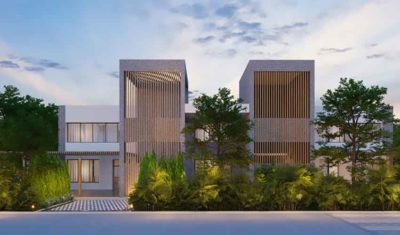
Pune’s eastern suburb of Wagholi is emerging as one of the city’s fastest-growing residential markets, driven by a combination of affordability, connectivity, and planned infrastructure expansion. Over the past four years, the area has witnessed a pronounced increase in property values and rental demand, signalling a structural shift in Pune’s urban housing landscape. For residents and investors alike, Wagholi represents a balance between cost-effectiveness and proximity to major employment corridors.
Residential pricing data shows a notable surge, with mid-segment housing in Wagholi appreciating by nearly 40% since 2021. Rental rates have climbed even more sharply, reflecting strong occupancy and migration trends. Urban planners and market analysts attribute this to the suburb’s relative affordability compared with core Pune neighbourhoods, alongside its easy access to employment hubs such as Kharadi, Viman Nagar, and Hinjewadi’s IT corridor.
The growth story is reinforced by developer activity. Major real estate firms have been acquiring sizeable land parcels over the past three years, indicating confidence in long-term demand. Developers are increasingly focusing on integrated townships and mixed-use projects that combine residential units with retail, community spaces, and green areas, aligning with the broader urban vision for sustainable and inclusive living. Industry observers note that Wagholi’s appeal is not limited to investors; young professionals and expanding families are accounting for a substantial share of transactions, particularly in 2- and 3-bedroom homes. Infrastructure improvements are a key catalyst for this micro-market expansion. Planned metro stations along the Upper Kharadi Road, Wagheshwar Temple, and Wagholi stretch are expected to significantly reduce commuting times, while enhanced ring road access and highway connectivity further integrate the suburb into Pune’s metropolitan framework. Urban transport specialists highlight that these upgrades, combined with carefully planned neighbourhood amenities, contribute to resilient, people-centred urban growth.
From a socio-economic perspective, Wagholi exemplifies the shift in Pune’s housing dynamics, where emerging suburbs are absorbing demand that core areas can no longer accommodate. The dual rise in capital values and rents suggests the growth is driven by genuine residential need rather than speculative buying. Analysts also point out that ongoing development in line with climate-resilient construction standards and inclusive community planning will be critical to maintaining long-term livability. Looking ahead, Wagholi is expected to continue outperforming in Pune’s residential market. Its affordability, connectivity, and planned infrastructure position it as a practical choice for middle-income households, first-time buyers, and professional families. Continued attention to integrated urban design and sustainable development practices will be central to ensuring that growth benefits residents equitably while supporting the city’s broader climate and mobility objectives.