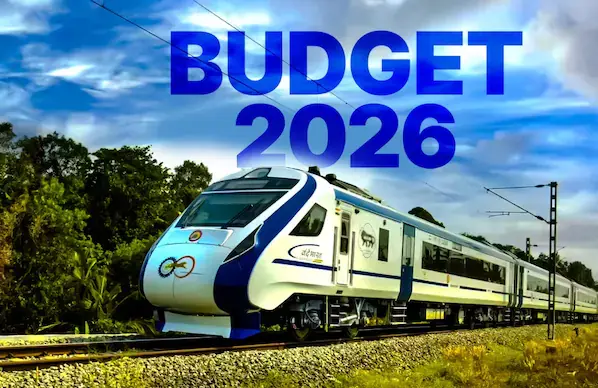
India’s rail infrastructure strategy is entering a more complex and security-conscious phase, with fresh planning underway for a multi-layered railway corridor linking the Northeast to the rest of the country. The initiative, outlined alongside the Union Railway Budget for 2026, reflects a shift towards resilient, high-capacity transport corridors designed to withstand geopolitical, environmental, and operational risks.
The focus is a narrow but critical stretch in northern West Bengal that serves as the primary rail gateway to the Northeast. Urban and transport planners describe the corridor as one of the most strategically sensitive pieces of infrastructure in the country, carrying passenger traffic, essential goods, and defence-related logistics through a geographically constrained zone bordered by multiple international boundaries. According to officials involved in the planning process, the proposal includes constructing underground railway lines beneath an existing surface network while expanding current tracks into a higher-capacity multi-line system. Once implemented, the corridor would function as a six-line rail section, combining overground and subterranean routes to improve redundancy and operational flexibility.
The underground alignment, planned at a depth exceeding 20 metres, is intended to reduce exposure to external disruptions while preserving surface land for ecological stability and urban continuity. Infrastructure experts note that such sub-surface rail investments, though capital-intensive, offer long-term advantages in climate resilience, reduced land acquisition conflicts, and enhanced security for nationally significant corridors. This planning push comes at a time when rail connectivity to the Northeast is increasingly viewed through both economic and strategic lenses. Improved rail capacity is expected to support regional manufacturing, logistics hubs, and tourism-driven urban centres, while also ensuring uninterrupted movement of essential supplies during extreme weather events a growing concern in flood-prone and geologically sensitive regions.
The broader Railway Budget allocation reinforces this intent. With a substantial outlay earmarked for network upgrades in the national capital region and strategic corridors elsewhere, policymakers appear to be prioritising capacity expansion over incremental repairs. Urban economists suggest this reflects a recognition that future growth will depend on fewer bottlenecks rather than more routes.
Environmental planners also highlight the relevance of underground rail infrastructure in reducing long-term carbon exposure. Electrified, high-capacity rail corridors can displace road-based freight and short-haul aviation, contributing to lower emissions while supporting denser, transit-oriented development around key nodes.
For cities and towns connected by the corridor, the implications extend beyond faster trains. Enhanced rail resilience can stabilise regional real estate markets, improve investor confidence, and support decentralised economic growth particularly in areas historically constrained by access limitations.
As detailed engineering and environmental assessments move forward, the effectiveness of the project will depend on execution discipline, inter-agency coordination, and sustained funding. The corridor’s redesign signals not just a transport upgrade, but a broader recalibration of how India builds infrastructure in its most sensitive and consequential geographies.
India Railway Budget Signals Northeast Connectivity Shift