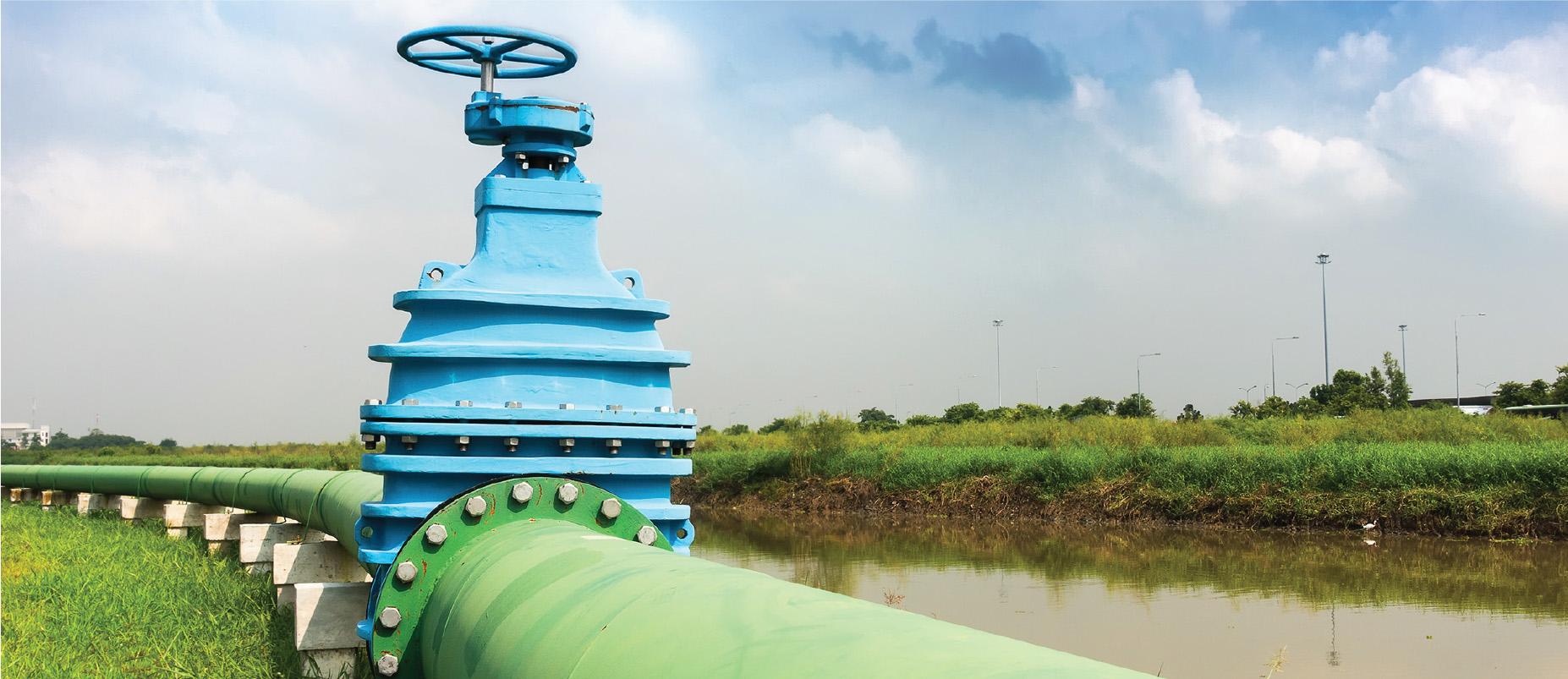
Delhi is preparing for one of its most consequential water infrastructure upgrades in over a decade, with the city administration confirming plans to commission a new large-scale water treatment facility at Chandrawal by 2026. The proposed plant, designed to process 105 million gallons per day, is positioned as a critical intervention ahead of intensifying summer shortages, ageing distribution networks, and rising urban demand across central and west Delhi.
Urban planners view the project as a long-overdue recalibration of the capital’s water supply architecture. Approved more than a decade ago but delayed by procurement and compliance hurdles, the facility is now expected to stabilise potable water availability across nearly a tenth of the city’s population. The service footprint covers dense residential and mixed-use neighbourhoods where infrastructure stress has translated into irregular supply, contamination risks, and high dependence on private tankers. Beyond treatment capacity, the project’s broader significance lies in its integration with a citywide distribution overhaul. Officials indicate that pipeline replacement works, budgeted at over ₹1,300 crore, are being implemented in parallel across nine Assembly constituencies. Two of the three planned distribution zones linked to Chandrawal have already been awarded, signalling movement on what has historically been a bottleneck for Delhi’s water reforms.
For residents, the tangible impact is expected in water quality, pressure consistency, and reduced leakage. Industry experts note that non-revenue water losses due to leaks, theft, and metering inefficiencies currently ranges between 30 and 45 per cent in parts of the capital. The administration has set a three-year target to bring this below 15 per cent, aligning Delhi with benchmarks seen in more water-secure global cities. The initiative also reflects a shift towards lifecycle-based infrastructure planning. Maintenance of newly laid pipelines will be governed by a long-term performance agreement, an approach increasingly favoured in climate-vulnerable cities where upfront capital expenditure must be matched with operational accountability.
Urban development specialists highlight that the Chandrawal project sits at the intersection of water security, public health, and economic resilience. Reliable municipal water supply reduces household expenditure, lowers groundwater extraction, and supports commercial activity in older urban cores that are often overlooked in new infrastructure investments. As climate variability tightens water availability across north India, projects of this scale are expected to play a decisive role in how megacities adapt. The success of Delhi’s latest water infrastructure push will ultimately depend not just on commissioning timelines, but on governance, monitoring, and equitable distribution factors that will define whether the capital’s water future becomes more resilient or remains perpetually reactive.
Delhi Infrastructure Push Targets Water Security