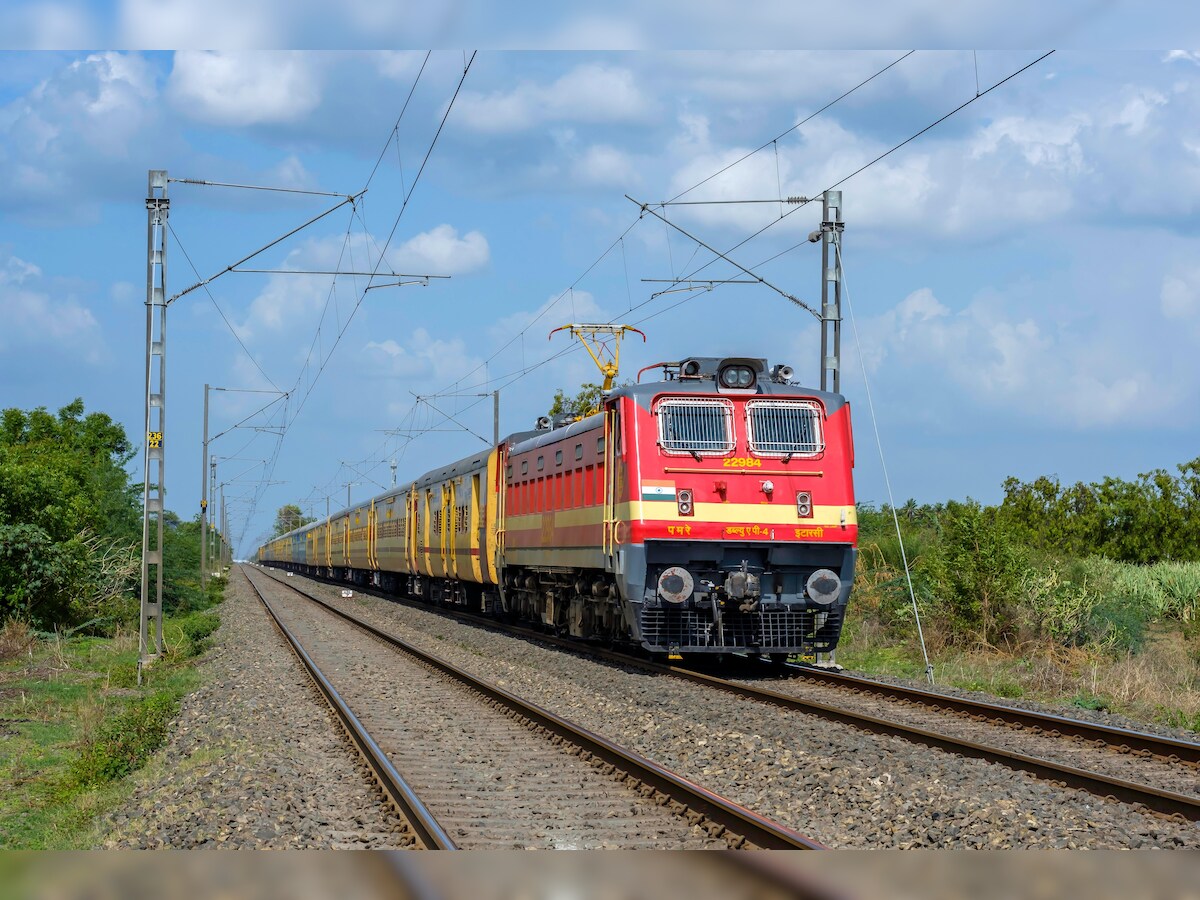
Maharashtra is set to witness a transformative phase in rail infrastructure as the state receives ₹23,926 crore in the latest Union Budget for railway development. The allocation will fund multiple ongoing and upcoming projects, including the newly sanctioned Mumbai-Pune and Pune-Hyderabad bullet train corridors. Officials indicate that these high-speed lines could cut travel times dramatically, with Mumbai to Pune reduced to 48 minutes and Pune to Hyderabad to just under two hours.
The budget announcement also underscores the government’s push to integrate freight and passenger transport. Plans are underway to connect the newly approved national freight corridor to Vadhvan Port in Palghar district, facilitating more efficient movement of goods across the country. Analysts suggest this could enhance logistics efficiency for industries in the Mumbai Metropolitan Region, while reducing carbon emissions by shifting cargo from road to rail. Maharashtra currently hosts railway projects worth approximately ₹1.7 lakh crore, reflecting the state’s strategic importance as a transport hub. The Mumbai-Ahmedabad bullet train project continues to progress, with authorities targeting commercial operations next year. Urban planners highlight that these high-speed corridors are likely to reshape regional commuting patterns and stimulate sustainable economic growth, particularly in emerging suburban nodes.
For the Mumbai Suburban Railway network, significant upgrades are also planned. A total of 238 new air-conditioned local trains with automated doors are set to be introduced, featuring smart ventilation systems that adjust oxygen levels according to passenger density. In addition, the length of 15-coach trains will increase, necessitating station widening and modernisation across multiple suburban stops. Experts note that these improvements will not only enhance commuter comfort but also support greater energy efficiency and operational safety, aligning with climate-resilient urban mobility goals. Industry analysts view the budgetary allocation as a long-term investment in both infrastructure and economic equity. By accelerating connectivity between major metropolitan centres and improving suburban transit, authorities aim to reduce congestion, improve air quality, and provide reliable transport for millions of daily commuters. Real estate markets along the high-speed rail and suburban corridors are also expected to respond, with transit-oriented development creating opportunities for sustainable urban growth.
As Maharashtra prepares to implement these projects, the focus will be on integrating modern technology, ensuring environmental compliance, and fostering inclusive access. Successful execution will depend on coordinated planning between federal and state agencies, robust monitoring of construction timelines, and proactive engagement with local communities. With these initiatives, Maharashtra is positioning itself at the forefront of India’s rail modernisation, signalling a future of faster, greener, and more inclusive transportation networks across the state.
Maharashtra Secures Record Rail Budget For Projects