


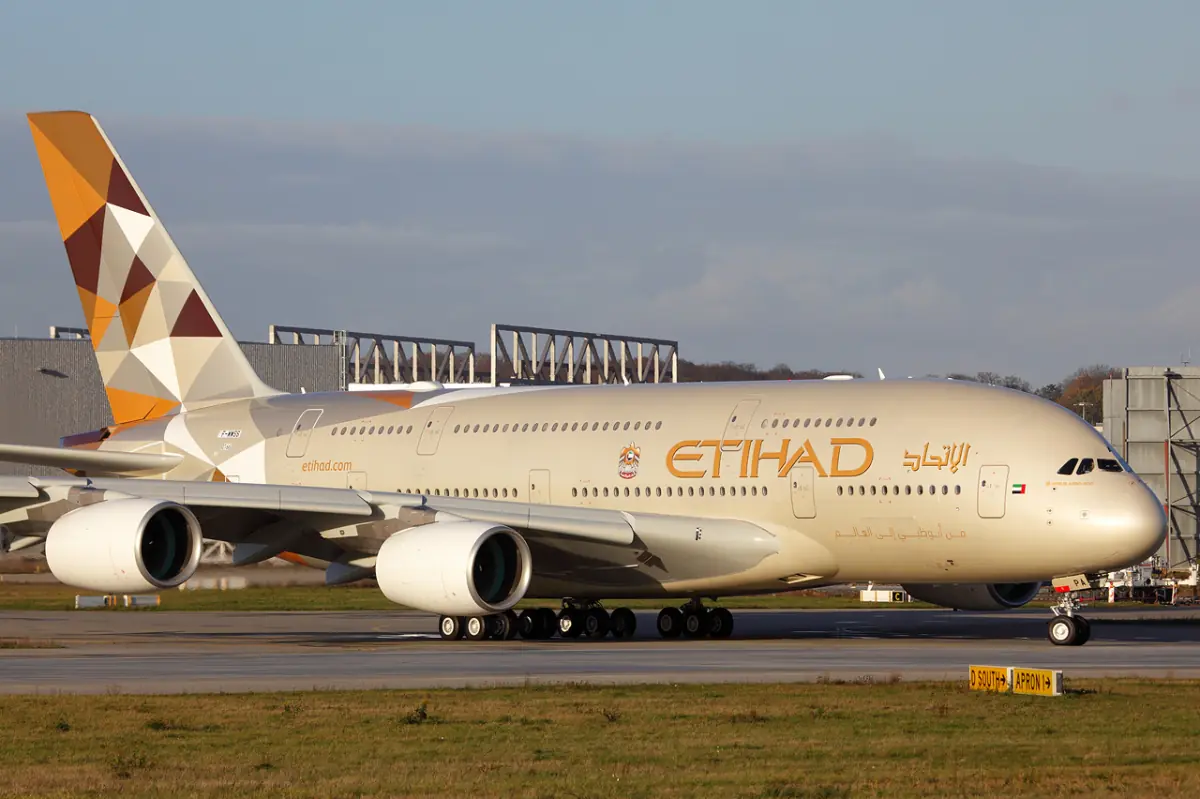
India’s burgeoning travel and financial services sectors are intersecting in a new co-branded credit card initiative that signals shifting consumer priorities and evolving demand for travel-centric financial products. An Indian public sector credit card issuer has partnered with an international airline to introduce a pair of mileage-earning credit cards aimed at frequent flyers and travel enthusiasts, marking a notable development in both the credit and aviation loyalty landscape. The introduction of these Etihad Guest-linked credit cards in India reflects a broader trend: Indian consumers are increasingly seeking financial products that reward travel and experiential spending, driven by rising disposable incomes and a rapidly expanding air travel market. Industry analysts pointed to recent data showing steady growth in both domestic flights and international bookings, underscoring why financial institutions are pivoting towards travel rewards as a growth strategy.
The new cards, available under Mastercard’s network, come in two tiers — a premium variant and a more accessible entry-level option — each with differentiated benefits. Both are structured to reward everyday spending with airline miles that can be redeemed against flights with the partner airline, as well as accelerated earn rates on travel and select purchases. Additional perks such as airport lounge access and concierge services point to an emphasis on convenience and elevated travel experience. For urban consumers, particularly those in major metropolitan centres who traverse domestic and international routes regularly, the appeal is clear: integration of credit spend with travel rewards can translate into cost savings and enhanced travel benefits. Urban economists highlight that as rail and road connectivity within cities improves, discretionary travel — both for work and leisure — becomes a larger component of household expenditure, prompting demand for financial tools that reward mobility.
However, the emergence of co-branded travel credit cards also raises questions about financial inclusivity and environmental impacts. While rewarding travel may align with aspirational consumer behaviour, planners focused on sustainable urban development emphasise that incentivising frequent flying should be balanced with broader climate considerations. Frequent air travel contributes disproportionately to carbon emissions compared with other modes of transport, and embedding environmental accountability into financial incentives remains an outstanding challenge. From a market perspective, experts view the move as a strategic attempt by both the financial institution and the airline to deepen customer engagement in one of the world’s fastest-growing travel markets. India is forecast to become one of the largest aviation markets globally, prompting airlines and banks alike to innovate offerings that resonate with a new generation of travellers.
Yet for responsible urban growth, the focus must extend beyond rewards. Financial products that encourage sustainable choices, such as rewards for environmentally friendly travel options or carbon offsetting, could better align with long-term urban resilience goals. As co-branded travel cards gain traction among Indian consumers, regulators and planners may consider frameworks that balance consumer benefits with equitable, climate-aware mobility strategies.
Also Read: Bengaluru Airport Welcomes India’s Largest DoubleTree Hotel
Etihad Loyalty Expands With India Credit Tie-Up
