India DFC Boosts Cargo Links From Maharashtra Ports
India’s logistics landscape is bracing for a major shift after the Union Budget 2026 unveiled a new Dedicated Freight Corridor (DFC) linking Dankuni in West Bengal with Surat in Gujarat, a 2,052-kilometre east-west rail freight spine that promises to reshape cargo movement to and from Maharashtra and Gujarat ports. Analysts say the corridor could significantly reduce logistics costs, decongest existing rail lines and unlock more efficient trade flows across six states, with far-reaching implications for industrial supply chains and export competitiveness.
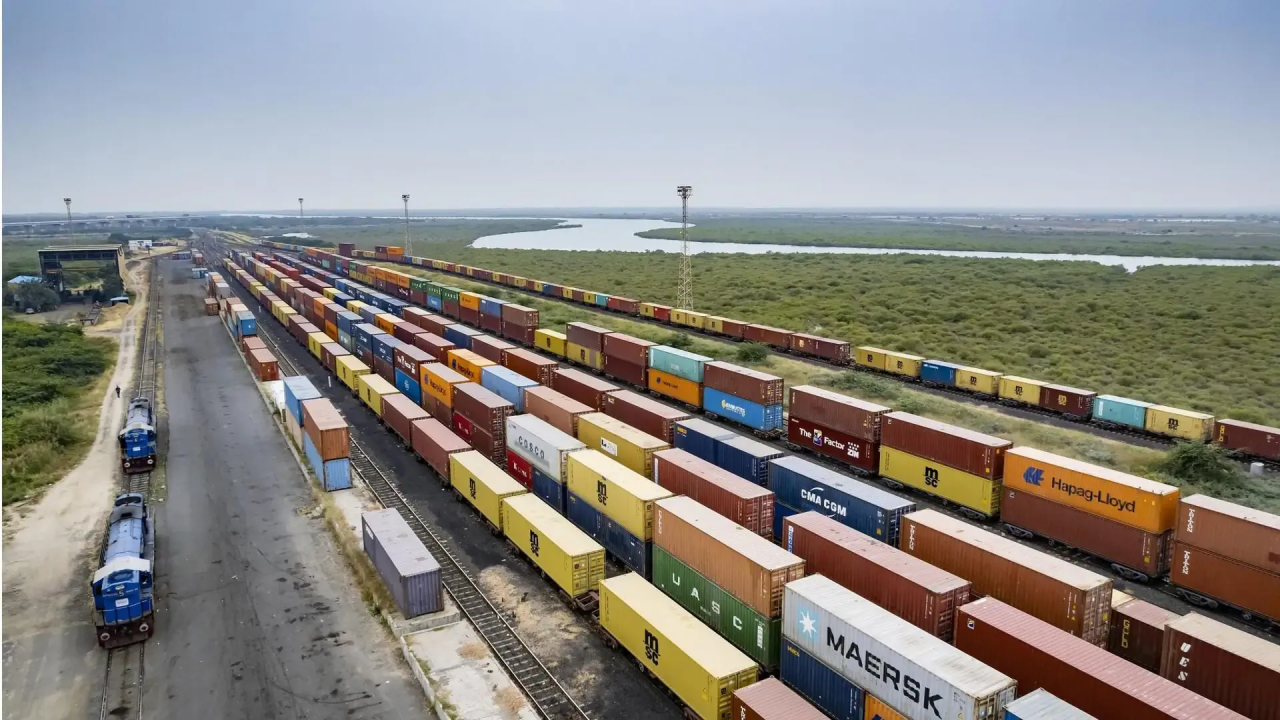
Railways authorities have highlighted that the corridor will be constructed for high-axle-load freight trains and double-stack container operations, enabling faster, heavier and more cost-efficient cargo movement than conventional mixed-traffic lines. By connecting Eastern Dedicated Freight Corridor (EDFC) infrastructure with the Western Dedicated Freight Corridor (WDFC), the new east-west link stitches together major export gateways, including those servicing Maharashtra and Gujarat ports.The corridor’s alignment through Maharashtra’s industrial belt could bring tangible benefits for cities such as Nagpur and surrounding trade hubs, which stand to gain from improved access to both eastern and western maritime gateways. With dedicated tracks, freight trains can operate at higher speeds and with greater reliability, potentially cutting transit times and lowering logistics costs — a chronic challenge for exporters and manufacturers.
For Maharashtra and Gujarat, where the ports of Jawaharlal Nehru Port Trust (JNPT), Mumbai Port, and ports in Gujarat such as Mundra and Hazira serve as critical conduits for goods ranging from chemicals and textiles to automobiles, the corridor could substantially improve hinterland connectivity. Industry voices expect that more seamless rail access to these ports will bolster competitiveness in global markets and help shift freight from road to rail, reducing congestion and environmental impact.Urban and logistics planners contextualise the move within broader national priorities to integrate multi-modal freight systems that link rail, road and waterways. The Budget also allocates resources to operationalise new national waterways and promote coastal cargo schemes, signalling a coherent push toward greener and more efficient supply chains.
Yet the corridor’s potential hinges on implementation details, including land acquisition, integration with existing freight terminals and last-mile connections to port yards and logistics parks. Experts argue that aligning infrastructure upgrades with digital customs processes and private sector participation will be essential to maximise cargo throughput and reduce bottlenecks at key chokepoints.Economists see the east-west freight link as not only easing physical cargo flows but also reinforcing India’s ambitions to reduce overall logistics costs — currently higher than many global peers — and support inclusive industrial growth outside traditional metropolitan cores. By enhancing access to inland regions while connecting major export hubs, the corridor could help decentralise economic activity and create new opportunities for investment and employment along its route.
As detailed plans and timelines emerge, stakeholders from port authorities to city planners will be watching closely. The ambition is clear: to build a freight network that supports sustainable, high-capacity cargo movement, eases pressure on congested urban corridors, and positions Maharashtra and Gujarat’s ports as more competitive nodes in global trade networks.