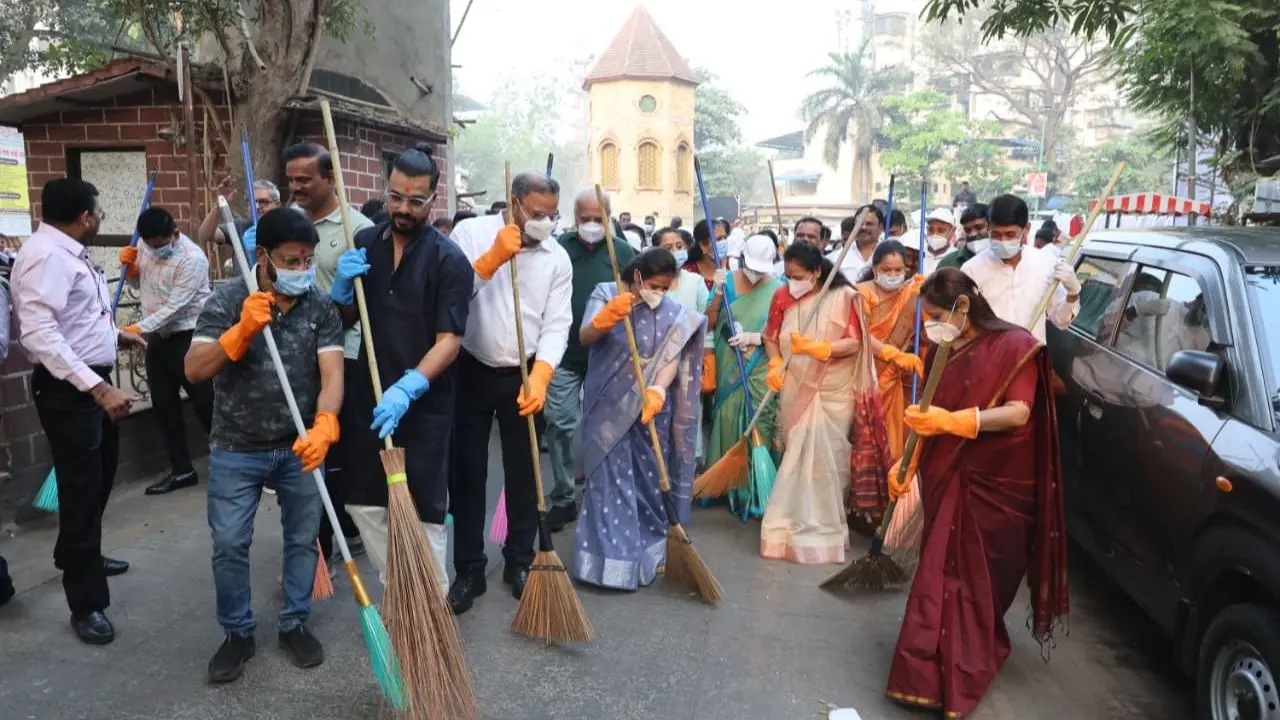
Thane Civic Body Mobilises Large Cleanliness Drive
In a concerted effort to enhance urban hygiene and public health, the Thane Municipal Corporation (TMC) this Monday mobilised a large-scale deep cleanliness campaign in the Kopri area, drawing robust volunteer participation from local residents. The drive represents a growing focus on community-government collaboration to tackle sanitation challenges that have long affected suburban civic spaces, with implications for public hygiene, environmental stewardship and bottom-up urban governance.
The campaign kicked off early at Ashtavinayak Chowk under the leadership of the mayor-designate, signalling political backing for enhanced civic engagement. Participants — from neighbourhood groups to municipal staff — covered several Kopri localities, including Kopri village, Kanhaiya Nagar, Dr Babasaheb Ambedkar Chowk and Bara Bangla, focusing on segregated waste collection and thorough washing of roads and public spaces with treated water.Officials emphasised that the initiative goes beyond cosmetic cleaning. Sanitation teams also disinfected public toilets and planted trees as part of supplementary environmental awareness measures. Structured planning by the TMC — including preparatory meetings at civic headquarters — underpinned the logistics of what many are calling one of the area’s most comprehensive cleanliness efforts in recent months.
For residents, the drive addressed longstanding concerns over hygiene and waste management. Kopri, like many suburban neighbourhoods rapidly absorbing urban growth, has faced challenges with irregular garbage collection, clogged drains and deteriorating public spaces — issues that have compounded during peak expansion phases. Active citizen involvement suggests heightened public demand for sustained sanitation reforms rather than episodic drives. Urban policy experts note that campaigns of this kind contribute to behavioural change when they pair community action with municipal authority direction. Thane’s effort aligns with national cleanliness objectives such as Swachh Survekshan, where citizen voice and participation are weighted components of performance assessment and incentivisation.
Yet, sustainable sanitation outcomes require institutional continuity. While single-day cleanups improve immediate conditions, systemic gaps in waste processing, collection scheduling and public infrastructure can reassert themselves without durable policy frameworks. Local planners suggest that embedding predictive waste management technologies and participatory monitoring could strengthen the impact of episodic campaigns.Community sentiment during the operation reflected both pride and urgency: residents expressed willingness to support ongoing housekeeping efforts while urging civic authorities to embed regular maintenance schedules and sanitation metrics into urban governance. Early engagement with youth groups and neighbourhood committees hints at evolving civic identity around shared environmental responsibility.
Beyond Kopri, Thane’s initiative may influence sanitation strategies in other Mumbai-metropolitan fringe zones struggling with similar public health dynamics. As cities expand, collaborative models that combine citizen agency with municipal capability could become central to achieving inclusive, people-centred urban cleanliness and resilience.