


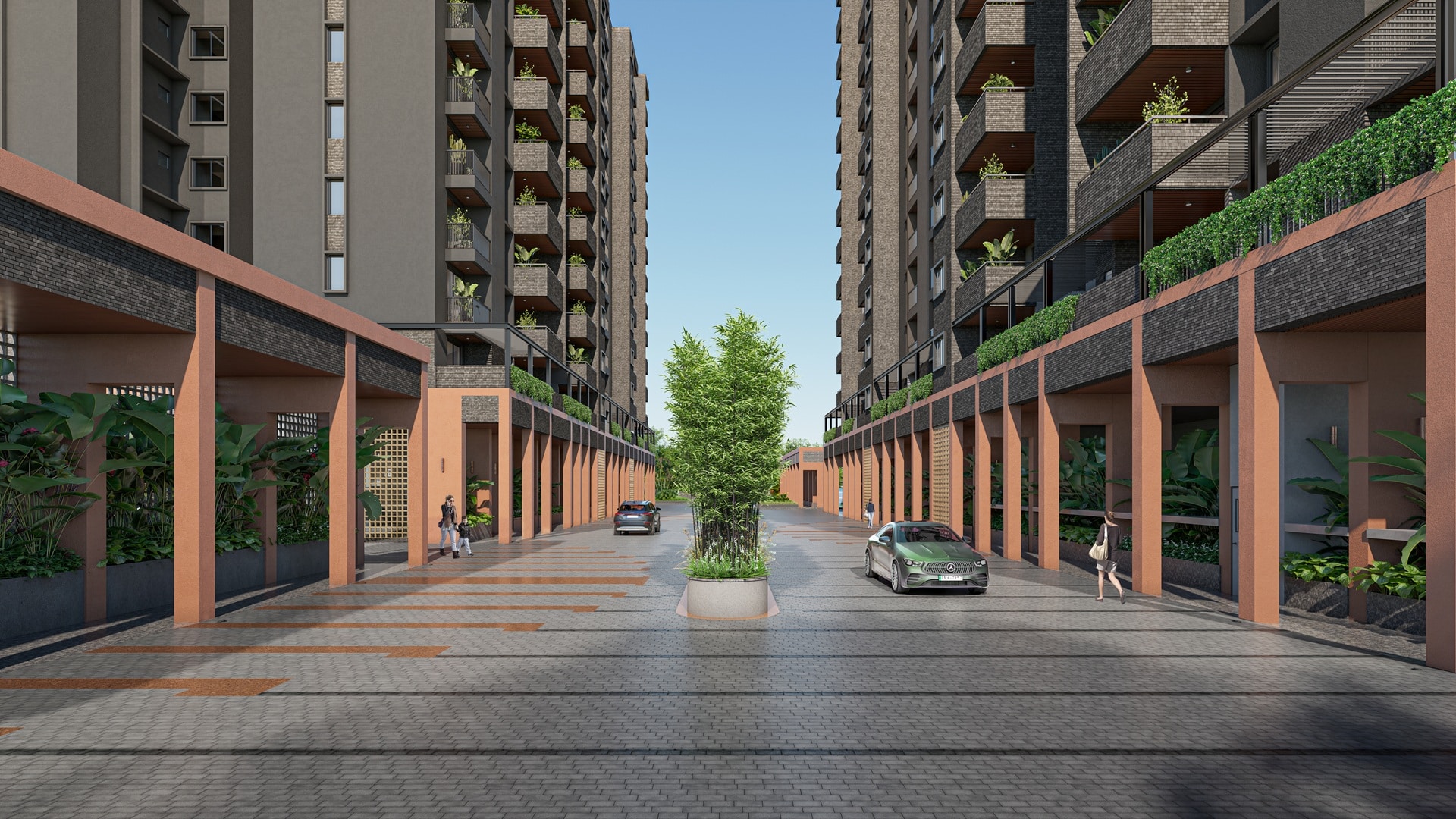
Bengaluru-based real estate developer Assetz has unveiled a new luxury residential project in the city’s south-eastern corridor, underscoring the growing importance of low-density, premium housing in neighbourhoods adjacent to major employment zones. The launch adds to a steady pipeline of high-value residential supply emerging beyond traditional central business districts as buyers prioritise space, liveability, and long-term urban resilience.
Located off Hosa Road, a short drive from HSR Layout, the project is positioned within a corridor that has quietly evolved into a residential extension of Bengaluru’s technology and startup ecosystem. Urban analysts note that south-east Bengaluru has benefited from its proximity to IT clusters, established social infrastructure, and relatively faster road connectivity compared to other peripheral zones, making it attractive to upper-income households seeking shorter commute times without sacrificing residential quality. The development spans roughly three acres and adopts a limited-unit configuration, reflecting a broader market shift away from high-rise density towards more contained residential communities. With just over 200 apartments, the project aligns with a growing preference among buyers for privacy, lower congestion, and access to shared amenities without the scale of mega townships. Industry observers suggest this trend is reshaping land-use decisions, particularly in areas where infrastructure capacity is under pressure. Amenities form a central component of the project’s positioning, including shared recreational facilities with a neighbouring plotted community. From an urban design perspective, such shared-use planning can improve land efficiency while reducing duplication of built infrastructure. However, planners emphasise that the long-term success of these models depends on effective governance, maintenance systems, and equitable access for residents across phases.
The south-eastern corridor has also emerged as a testing ground for newer lifestyle formats within residential developments. Features such as alternative sports facilities, larger community spaces, and enhanced lobby designs reflect changing demographic profiles, including younger professional families and multi-generational households. These preferences are increasingly influencing how residential projects are designed, marketed, and priced in Bengaluru’s premium segments. From a sustainability standpoint, low-rise, low-density developments present both opportunities and challenges. While they allow for greater integration of open spaces and natural ventilation, experts caution that they must be paired with efficient water management, energy optimisation, and transport planning to avoid higher per-capita resource consumption. As climate resilience becomes a key consideration in urban development, the environmental performance of luxury housing projects is likely to come under closer scrutiny. The launch comes at a time when Bengaluru’s housing market continues to demonstrate resilience, supported by employment growth and a steady inflow of skilled professionals. While affordability remains a concern across much of the city, demand at the upper end of the market remains strong, particularly in corridors that offer a balance between connectivity and residential calm.
As south-east Bengaluru absorbs more premium housing supply, policymakers and developers alike face the task of ensuring that infrastructure expansion, environmental safeguards, and community needs evolve in tandem shaping neighbourhoods that remain liveable well beyond their initial sales cycles.
Also Read: Abhee Ventures Expands East Bengaluru Land Bank
Assetz Strengthens Luxury Footprint in Southeast Bengaluru

