


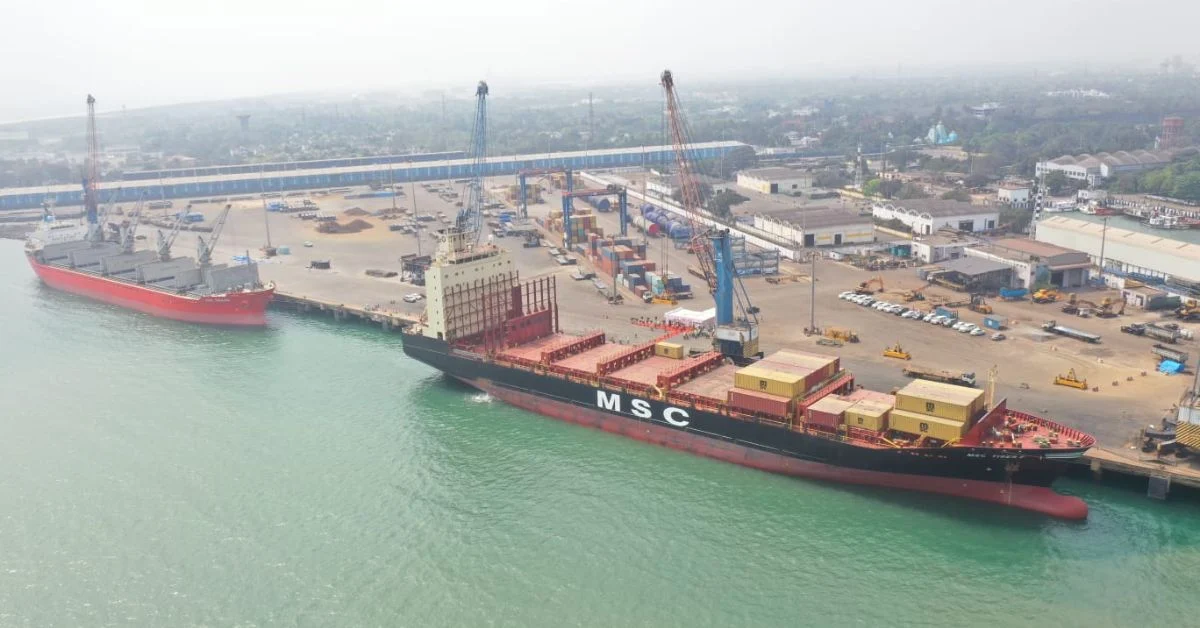
Paradip — India’s eastern seaboard has begun 2026 with renewed momentum as Paradip Port recorded its highest-ever cargo handling for a single month in January, underscoring the port’s growing role in national logistics and regional economic integration. The milestone, achieved at Odisha’s largest maritime gateway, highlights how port-led infrastructure is increasingly shaping industrial supply chains, urban employment patterns, and coastal development strategies. Port officials confirmed that January volumes surpassed all previous monthly records, driven by strong movement of bulk commodities such as coal, iron ore, fertilisers, and containerised cargo. Industry experts say the performance reflects both robust domestic demand and improved operational efficiency at major ports, at a time when global trade remains uneven.
For eastern India, Paradip’s growth carries implications beyond shipping statistics. The port anchors a wider industrial ecosystem that includes steel plants, power generation units, fertiliser manufacturing, and mineral-based industries spread across Odisha, Jharkhand, Chhattisgarh, and parts of West Bengal. Higher throughput reduces logistics costs for these sectors, improving competitiveness and supporting regional economic balance. A senior port administration official noted that operational upgrades, better berth utilisation, and faster cargo evacuation through rail and road corridors contributed to the January performance. Over the past few years, Paradip has invested in mechanised handling systems, deeper drafts, and digital port management tools, allowing vessels to be turned around more quickly while reducing congestion within port limits.
Urban planners see the port’s expansion as a double-edged development story. On one hand, rising cargo volumes create jobs, stimulate ancillary services, and attract real estate investment in port-linked industrial zones and worker housing. On the other, they place pressure on urban infrastructure in nearby towns, from road capacity and water supply to affordable housing and environmental safeguards. Environmental considerations are increasingly central to port growth strategies. Paradip, like other major ports, faces scrutiny over emissions from cargo handling, freight transport, and vessel operations. According to maritime analysts, sustained growth will depend on how effectively ports integrate cleaner fuels, electrified equipment, and better waste management into daily operations, aligning economic performance with climate resilience goals.
The January record also signals confidence among cargo owners in India’s eastern maritime routes, which have historically lagged western ports in scale and visibility. Logistics experts suggest that consistent performance at Paradip could help rebalance freight flows, easing pressure on congested western corridors while opening new export pathways for mineral-rich hinterland states. Looking ahead, the challenge for Paradip Port lies in converting short-term volume gains into long-term, sustainable capacity. Planned investments in evacuation infrastructure, multimodal connectivity, and green port initiatives will be critical. As coastal cities and port towns evolve alongside these assets, aligning growth with inclusive urban planning and environmental stewardship will determine whether record cargo months translate into lasting regional prosperity.
Also Read: Delhi Hosts Green Expo Shaping Urban Resilience
Paradip Port Starts Year With Freight Milestone
