


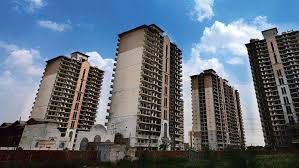
Industry bodies representing micro, small and medium enterprises and the real estate sector have expressed concern that the Union Budget 2026 has fallen short of addressing two critical pillars of India’s urban economy: small business resilience and affordable housing delivery. While the Budget outlines broad macroeconomic priorities, stakeholders argue that it lacks targeted interventions needed to stabilise employment-intensive sectors.
MSMEs, which form the backbone of urban and semi-urban livelihoods, had anticipated relief measures addressing credit access, taxation complexity and rising input costs. Industry associations say that despite repeated policy assurances, challenges on the ground remain unresolved. Collateral-free lending, a long-standing demand aimed at supporting small entrepreneurs, continues to face execution gaps, limiting its real-world impact on enterprises operating with thin margins. Urban economists note that MSMEs play a central role in sustaining neighbourhood economies, supply chains and job creation across Indian cities. When small enterprises struggle, the effects ripple through housing demand, rental stability and local consumption. The absence of emergency support mechanisms, particularly amid global trade disruptions and cost volatility, has raised concerns about the sector’s capacity to absorb further shocks. Parallel anxieties have emerged within the real estate sector, particularly around affordable housing. National developer bodies warn that without policy recalibration, the share of affordable housing in new residential supply could decline sharply. Rising land values, construction inflation and compliance costs have already reduced project viability, pushing developers towards higher-priced segments.
Affordable housing, planners argue, is not merely a social obligation but essential urban infrastructure. It anchors labour markets close to employment centres, reduces commute distances and lowers transport-related emissions. A sustained drop in supply risks increasing rental pressure, lengthening daily travel and accelerating informal settlement growth on city fringes outcomes that undermine climate resilience and inclusive city planning. The Budget’s limited engagement with housing affordability has drawn particular scrutiny. Industry experts point to the lack of updates to pricing definitions, fiscal incentives or demand-side support for homebuyers. Without such measures, they caution, market forces alone will not deliver housing at price points accessible to lower- and middle-income households. At the same time, both MSME and real estate bodies have acknowledged positives in the government’s continued focus on infrastructure spending. Investments in highways, metro rail, logistics corridors and urban services are expected to strengthen regional connectivity and unlock new economic zones. Ease-of-doing-business reforms, including faster approvals and digitisation, could also reduce project timelines across sectors. However, urban policy analysts stress that infrastructure-led growth must be matched with people-centric interventions. Roads and rail can enable expansion, but without affordable housing and thriving MSMEs, cities risk becoming more unequal and spatially fragmented.
Looking ahead, industry stakeholders are calling for mid-course policy corrections that recognise MSMEs and affordable housing as economic enablers rather than peripheral concerns. As India’s cities continue to grow, aligning fiscal strategy with employment security and housing access will be central to building resilient, inclusive and low-carbon urban futures.
Also Read: Haryana Affordable Homes Stall In NCR Cities
India Budget Misses MSMEs Affordable Housing
