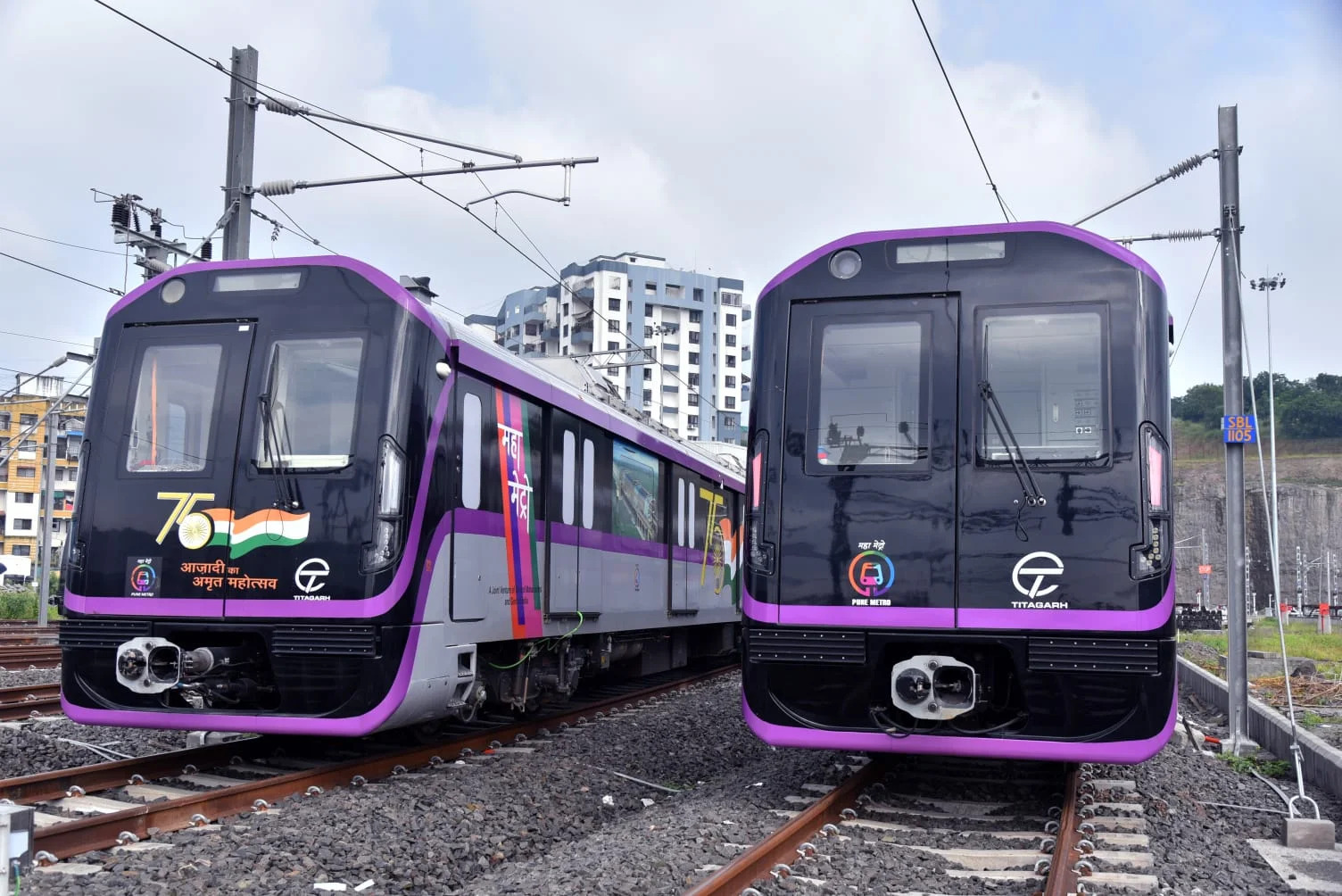
Pune’s role in India’s urban mobility network is set to expand significantly following the Union Budget 2026–27 announcement of two new high-speed rail corridors linking the city with Mumbai and Hyderabad. Positioned as part of a national strategy to improve inter-city connectivity, the proposed lines are expected to reshape daily commuting patterns, regional business flows, and long-term urban growth across western and southern India.
The Mumbai–Pune and Pune–Hyderabad routes have been identified as priority corridors under a new framework of inter-regional “growth connectors” aimed at reducing travel time while easing congestion on existing road and conventional rail infrastructure. For Pune, a city that sits at the intersection of manufacturing, education, and technology-driven employment, the announcement signals a structural shift in how people and capital move across state and metropolitan boundaries. Urban transport planners note that the Mumbai–Pune Expressway and parallel rail lines are operating well beyond their intended capacity, with traffic growth consistently outpacing infrastructure upgrades. High-speed rail is being positioned as a systemic intervention rather than an incremental fix, offering predictable travel times, improved safety, and lower per-capita emissions compared to private vehicles and short-haul flights.
The Pune high speed rail proposals also arrive at a moment when the city’s regional influence is widening. With a semi high-speed rail connection to Nashik already under planning, Pune is increasingly being shaped as a multi-directional mobility node rather than a satellite to Mumbai. Industry analysts suggest this could support more decentralised office locations, reduce pressure on core urban housing markets, and enable firms to tap wider labour pools without relocating operations. From a sustainability perspective, policy experts view high-speed rail as a critical component of India’s low-carbon transport transition. Electrified rail corridors, when integrated with metro systems and non-motorised transport at stations, can substantially reduce urban transport emissions while improving air quality. For rapidly expanding corridors such as Pune–Hyderabad, this could help align economic growth with climate resilience goals.
Real estate and infrastructure specialists also anticipate secondary impacts around station-area development. International experience shows that high-capacity rail corridors often catalyse mixed-use zones, logistics hubs, and affordable housing clusters if supported by clear land-use planning and regulatory oversight. Without such coordination, however, there is a risk of speculative development and uneven growth. The budget has earmarked a significant increase in public capital expenditure for 2026–27, indicating fiscal support for large-scale transport projects. The next phase will depend on project sequencing, environmental clearances, and integration with local transit networks. For Pune, the focus now shifts from announcement to execution. How effectively the Pune high speed rail corridors are delivered will determine whether they become mere transport upgrades or foundations for a more balanced, connected, and sustainable urban region.