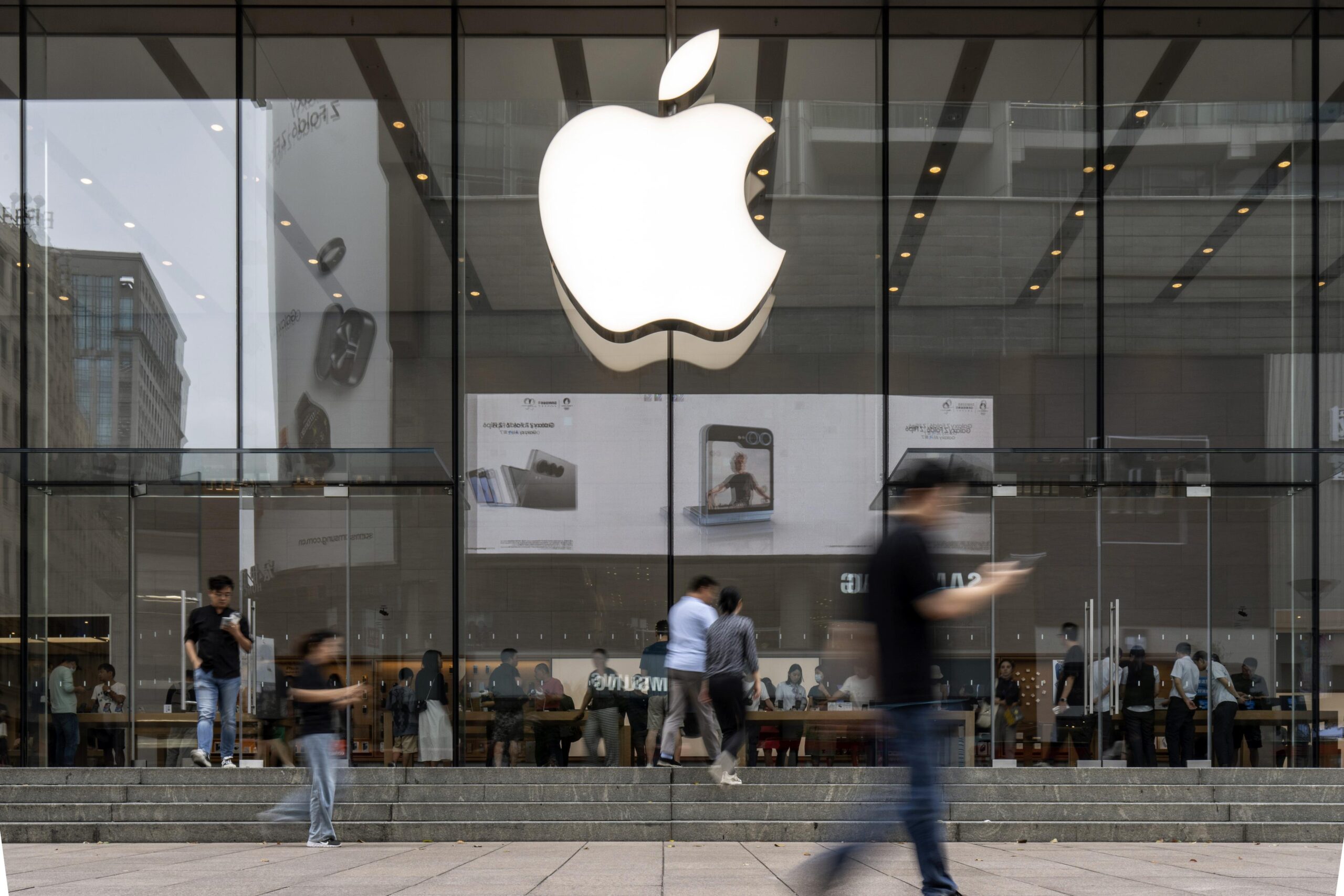
Apple is preparing to expand its physical retail presence in Mumbai with a new store planned in the city’s northern suburbs, signalling growing confidence in India’s premium consumption markets and the evolving geography of organised retail. The proposed outlet, located within a large mixed-use development in Borivali, reflects a broader shift in how global brands are aligning real estate decisions with urban growth corridors rather than traditional central business districts alone.
Industry executives familiar with the development indicate that the upcoming store will be housed in a high-footfall mall integrated with residential and commercial uses along the Western Express Highway. The choice of Borivali places the brand closer to a dense catchment of upper-middle-income households, daily transit users, and emerging office clusters, underlining how suburban Mumbai is increasingly shaping consumption-led urban economies. The new outlet will be Apple’s second in Mumbai and will add to a steadily expanding national retail network across major metros. Senior company officials have previously indicated that India remains among the fastest-growing markets globally, driven by a young consumer base, rising discretionary spending, and stronger local manufacturing linkages. Physical stores are being positioned as long-term brand infrastructure rather than short-term sales channels.
From an urban development perspective, the move highlights how organised retail is following population shifts and transport-led growth. Borivali’s transformation into a mixed-use hub has been accelerated by improved metro connectivity, highway upgrades, and higher-density residential projects. Urban planners note that such investments help decentralise economic activity, reduce pressure on southern business districts, and shorten travel distances for consumers—an often overlooked sustainability benefit. Real estate consultants tracking the deal say the store will occupy a large-format ground-floor space, a configuration that prioritises accessibility, walk-in traffic, and inclusive design. Lease structures reportedly combine fixed rentals with revenue-linked components, reflecting a risk-sharing model that is increasingly common in premium retail real estate. Such arrangements also indicate landlords’ confidence in stable long-term footfall rather than speculative growth.
The expansion also has implications for employment and skills development. Flagship retail stores typically support direct jobs, vendor ecosystems, and training in customer experience, digital services, and after-sales support. In dense urban regions like Mumbai, these roles contribute to more diversified local economies beyond construction and finance. For Mumbai’s built environment, the decision reinforces a larger trend: global brands are no longer viewing suburbs as secondary markets. Instead, they are treating them as core urban centres shaped by transit access, residential density, and lifestyle infrastructure. As more global retailers adopt similar strategies, suburban commercial districts are likely to see deeper integration with public transport, pedestrian infrastructure, and climate-responsive design.
Going forward, the success of such developments will depend not just on sales performance but on how well retail growth aligns with inclusive planning, efficient mobility, and responsible land use—key factors shaping the future of India’s megacities.
Apple Strengthens Mumbai Presence With Suburban Store