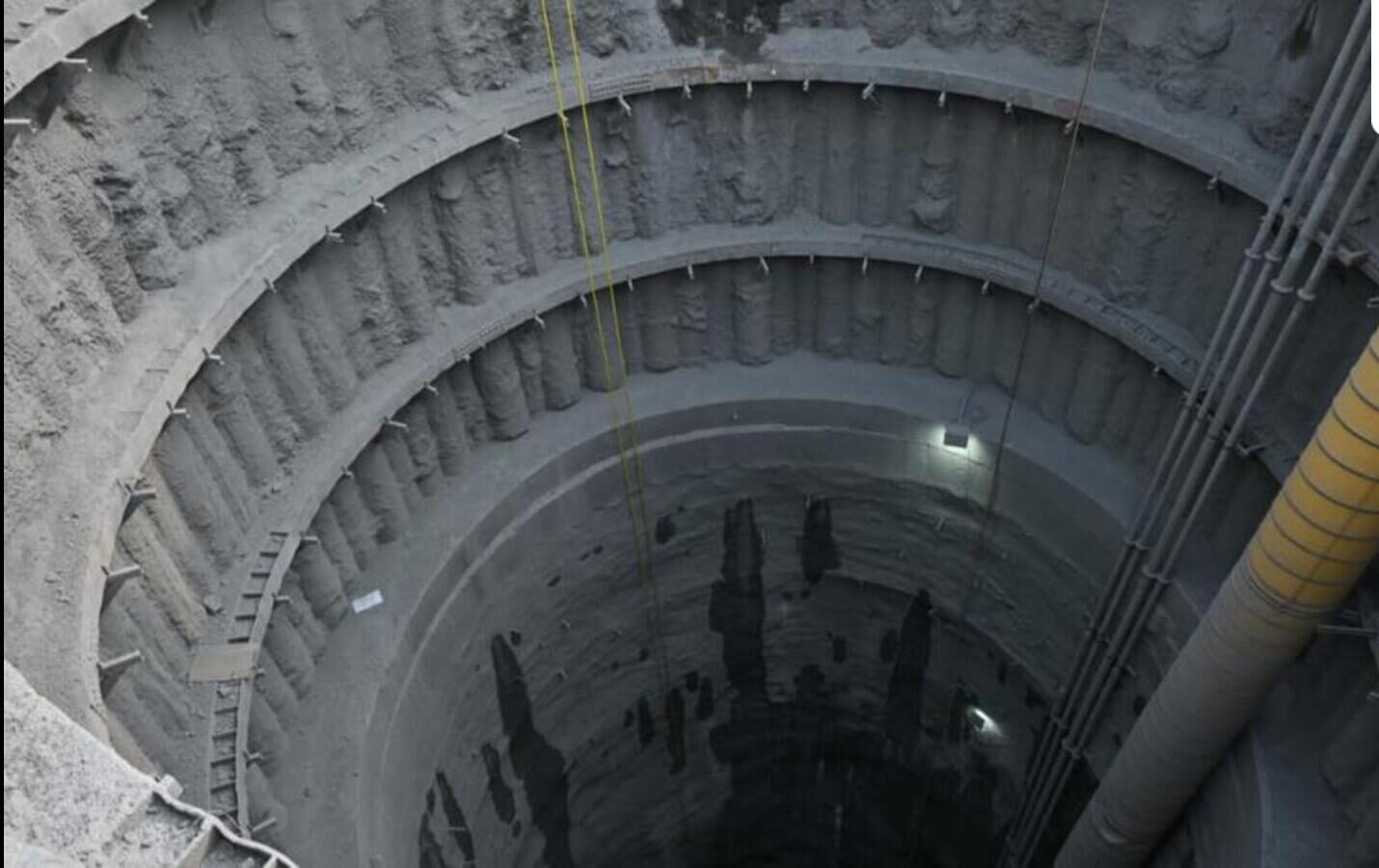
Mumbai has taken another decisive step to future-proof its water infrastructure with the launch of a deep underground conveyance project linking Kasheli in the neighbouring Thane district to Mulund in the city’s eastern suburbs. The new Kasheli Mulund water tunnel is designed to strengthen bulk water supply while reducing leakage, land-use conflicts and long-term operational risks across the metropolitan region.
Urban officials confirmed that the tunnel will serve as a dedicated conveyance route for drinking water sourced from the Bhatsa reservoir system, one of Mumbai’s most critical lifelines. As demand rises steadily across both Mumbai and its rapidly urbanising periphery, planners are increasingly turning to subsurface infrastructure to ensure reliability without disrupting dense surface development. Mumbai’s water supply network has historically relied on large-diameter surface pipelines. However, sustained expansion in neighbouring urban areas has created repeated conflicts between pipelines and road, rail and real estate projects. According to senior civic officials, the Kasheli Mulund water tunnel offers a durable alternative by shifting key water infrastructure deep below ground, freeing up surface space while lowering the risk of damage and losses.
The tunnel, extending over seven kilometres, is being constructed at considerable depth to safely pass beneath existing utilities and transport corridors. At the Mulund end, a deep vertical shaft is being prepared to launch the tunnel boring machine, while a corresponding recovery shaft is under construction at Kasheli. Engineers involved in the project describe the tunnelling method as critical to maintaining uninterrupted water supply during construction. Work on the project began in late 2024, with excavation activity planned to commence in 2026 after preparatory civil works are completed. The tunnel is expected to be operational by the end of the decade. Once commissioned, it will complement the city’s existing underground water tunnels, forming part of a network that already stretches close to 100 kilometres.
Urban water experts note that the Kasheli Mulund water tunnel reflects a broader shift in Indian cities towards climate-resilient water systems. Underground conveyance reduces evaporation, contamination risks and maintenance disruptions caused by extreme weather. It also aligns with low-carbon urban planning by minimising repeated surface excavation and associated emissions. Beyond engineering, the project carries implications for regional growth and equity. Reliable bulk water movement is essential not only for households but also for industry, healthcare facilities and future housing development. By strengthening trunk infrastructure, the tunnel supports more predictable urban expansion while reducing the likelihood of emergency water cuts.
As Mumbai continues to invest in invisible but essential infrastructure, the challenge will lie in synchronising water planning with land use, transport and environmental management. The Kasheli Mulund water tunnel represents a long-term bet on resilience — one that prioritises efficiency and sustainability in a city where water security will increasingly define liveability and economic stability.
Kasheli Mulund Project Strengthens Mumbai Water Network