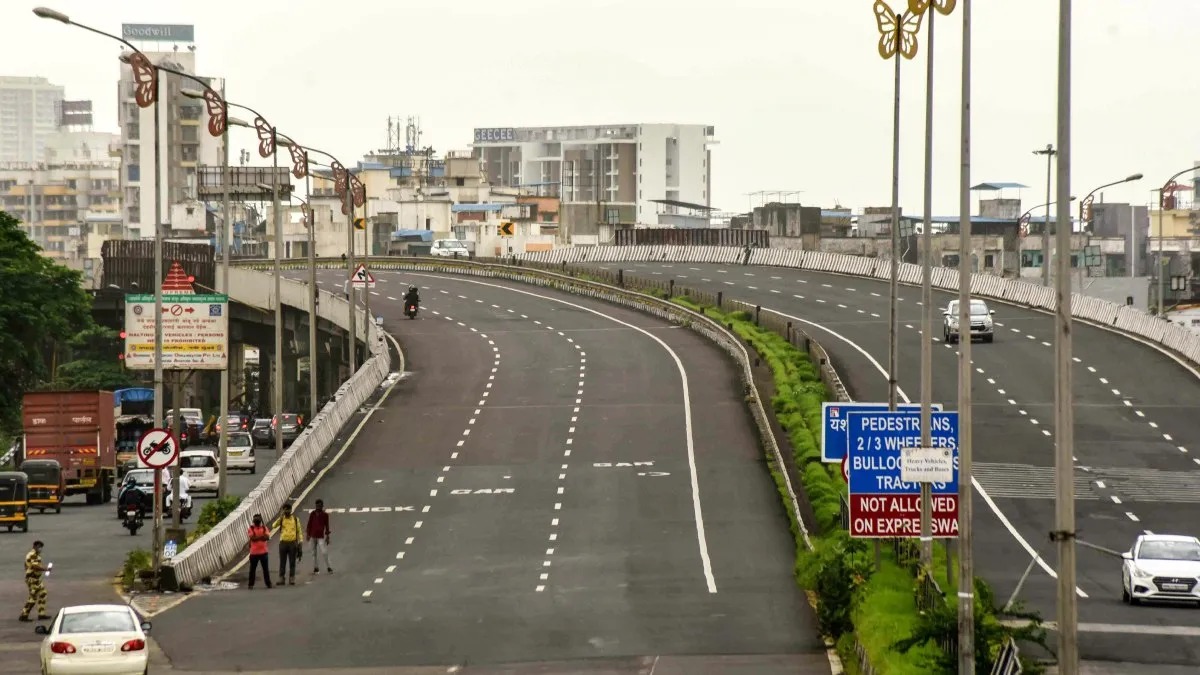
India’s busiest inter-city corridor linking Mumbai and Pune is set for a significant transformation, with a proposed high-speed rail line joining a growing network of expressways, upgraded rail services and urban transit systems. The emerging infrastructure pipeline signals a strategic push to reshape mobility between the two economic centres while supporting long-term regional growth across the western metropolitan belt.
The announcement of a Mumbai Pune high speed rail corridor in the Union Budget has brought renewed focus to the route, which already carries some of the country’s highest volumes of daily business, freight and commuter travel. While technical and alignment details of the rail corridor are yet to be finalised, transport planners view it as a step towards rebalancing mobility away from road-heavy dependence. Over the past decade, the Mumbai–Pune link has steadily expanded beyond the legacy expressway. New road infrastructure, including the Samruddhi corridor extensions and upcoming access-controlled highways, is aimed at reducing bottlenecks and improving safety. However, urban planners caution that road-led expansion alone risks increasing emissions and vehicle dependence unless matched with high-capacity public transport.
Rail infrastructure between the two cities has also undergone gradual strengthening. Additional long-distance and semi-high-speed train services, coupled with station upgrades, have improved reliability for daily and weekly travellers. Industry experts note that the proposed Mumbai Pune high speed rail could significantly compress travel time, potentially changing how professionals, students and businesses locate themselves across the region. Metro-led connectivity is another critical layer in this evolving network. Ongoing metro projects within the Mumbai Metropolitan Region and Pune’s expanding metro system are expected to improve last-mile access to inter-city terminals. Transport economists point out that seamless integration between metro, suburban rail and high-speed rail will be essential if the corridor is to deliver inclusive mobility rather than premium-only access.
From an economic standpoint, stronger Mumbai–Pune connectivity is likely to reshape real estate, logistics and employment patterns. Improved travel reliability can encourage decentralisation of offices and industrial activity, easing pressure on Mumbai while supporting planned growth nodes around Pune and intermediate towns. Analysts also highlight potential benefits for the manufacturing and technology clusters spread along the corridor. Environmental considerations remain central to the debate. A well-designed Mumbai Pune high speed rail system could lower per-capita emissions by shifting travellers from private vehicles and short-haul flights to electrified rail. However, sustainability experts stress the importance of climate-resilient construction, careful land acquisition and protection of sensitive ecological zones along the Western Ghats.
As timelines for various projects extend towards the end of the decade, the challenge for policymakers will be coordination. Aligning roads, rail, metro and land-use planning will determine whether the Mumbai–Pune corridor evolves into a low-carbon growth spine or simply a faster version of existing congestion. The next phase will test how effectively infrastructure investment translates into equitable, future-ready mobility.
Mumbai Pune Corridor Set For Major Mobility Shift