India’s environmental watchdog has moved to tighten accountability around water use at large sports facilities, imposing financial penalties on multiple cricket venues for failing to disclose how much groundwater they draw to maintain playing surfaces. The action signals a broader regulatory shift as cities grapple with water stress, competing urban demands, and the need to prioritise sustainable infrastructure management.
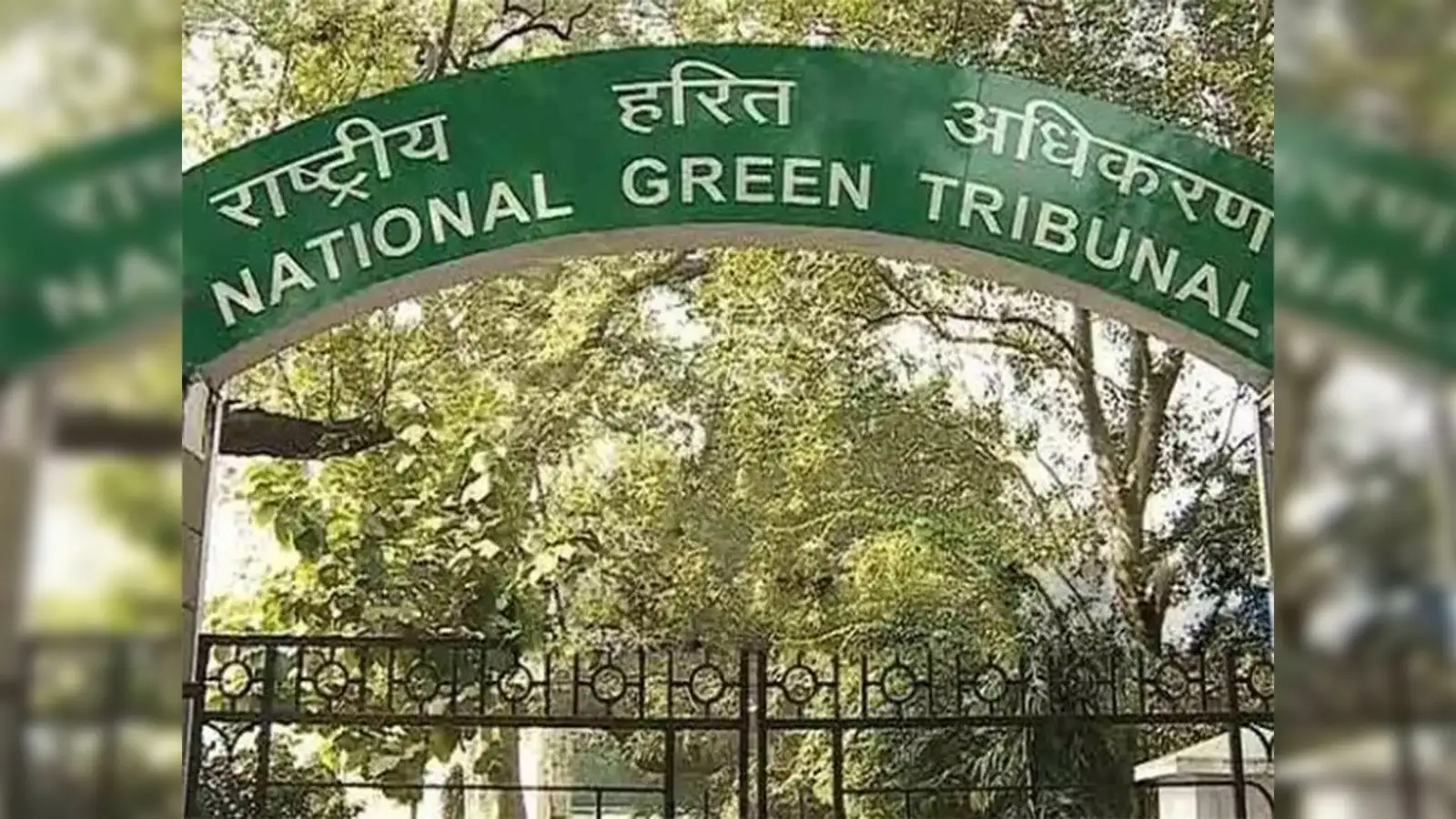
In a recent order, the National Green Tribunal directed 12 cricket associations operating major stadia across metropolitan and tier-two cities to pay fines for not responding to repeated queries from the country’s groundwater regulator. The tribunal noted that the absence of basic disclosures had stalled regulatory oversight, particularly in regions where groundwater depletion has emerged as a critical urban risk. Environmental regulators flagged that several of these venues are located in water-stressed basins, where unrestricted extraction for non-essential uses can exacerbate shortages for residential neighbourhoods, industry, and public services. Urban water experts say sports infrastructure, while culturally significant, must now align with the same sustainability benchmarks applied to commercial real estate and large public facilities.
The tribunal also expressed concern over the continued reliance on groundwater at certain stadiums despite the availability of treated wastewater from nearby sewage treatment plants. According to regulatory assessments placed before the bench, at least one high-profile stadium was drawing several thousand kilolitres of groundwater each month to irrigate turf without installing on-site treatment or reuse systems. Such practices, officials said, undermine municipal investments in wastewater recycling and reduce incentives for circular water use. A senior official familiar with the proceedings said the order reflects growing impatience within regulatory bodies over delayed compliance. “Large venues cannot be exempt from environmental disclosures simply because they are linked to sport or public events. Water governance norms apply uniformly,” the official noted.
Beyond the fined venues, the tribunal has sought detailed explanations from additional cricket facilities found to be extracting groundwater, asking them to outline concrete steps taken to reduce dependence on fresh water. These include transitioning to treated wastewater, installing rainwater harvesting systems, and improving on-site storage and recharge mechanisms. Urban planners argue the case has wider implications for how cities manage high-water-demand facilities. Stadiums, convention centres, and recreational complexes often occupy large land parcels and consume substantial resources, yet remain loosely regulated compared to industrial users. As climate variability intensifies and urban populations grow, regulators are increasingly viewing such assets through a sustainability and resilience lens.
The matter is scheduled for further review later this year, with authorities expected to evaluate compliance roadmaps submitted by the concerned associations. For city governments and infrastructure operators alike, the episode underscores a clear message: future urban development—even in sport and leisure—will be judged not just by scale or prestige, but by how responsibly it uses shared natural resources.
National Green Tribunal Flags Water Misuse at Stadia