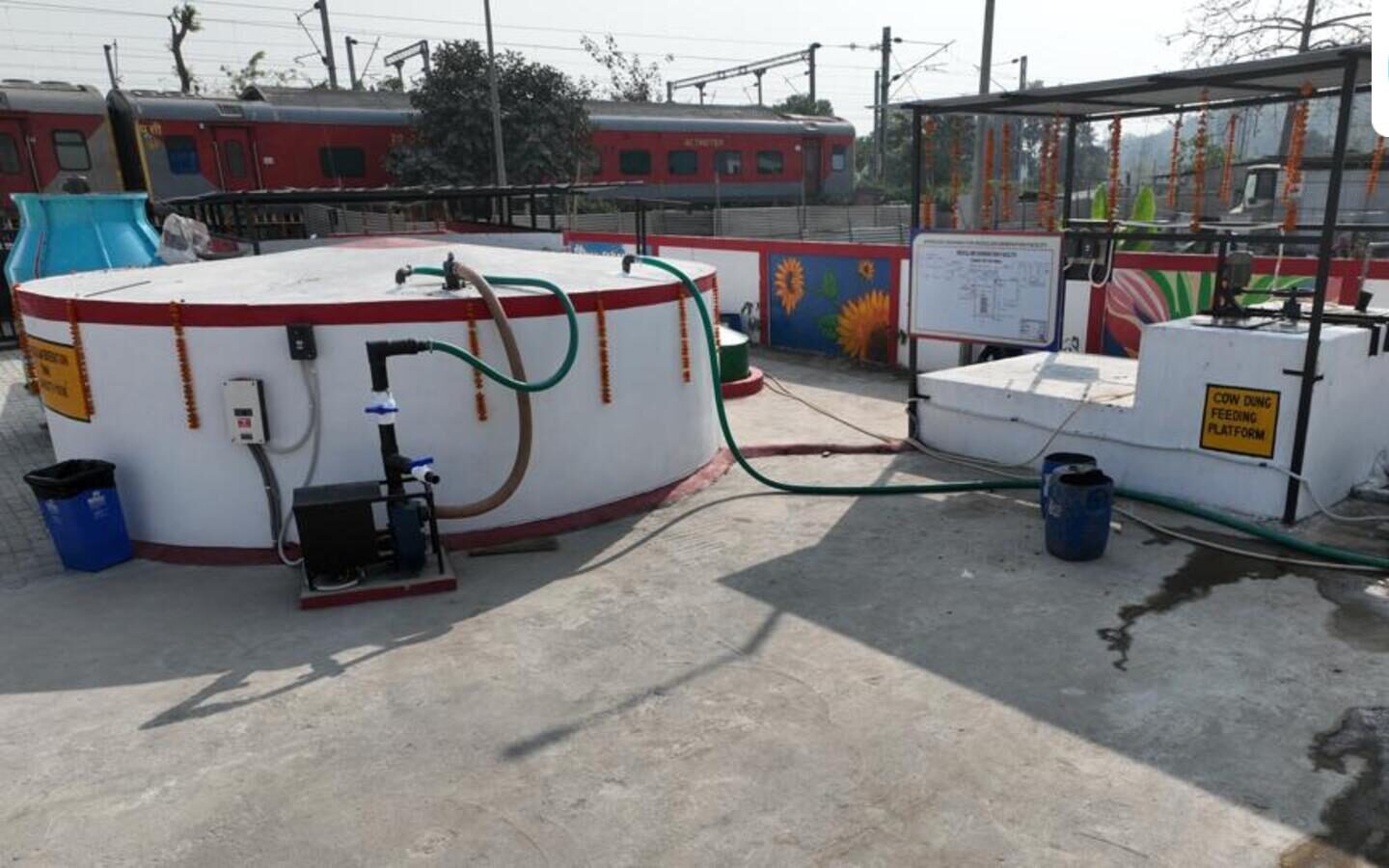
Mumbai is set to add a new layer to its rail sanitation infrastructure with plans underway to establish the city’s first anaerobic microbial inoculum production facility at the Lower Parel railway workshop. The initiative marks a shift towards in-house biological processing to improve hygiene standards across long-distance train services operating through the city.
Railway officials overseeing sanitation and maintenance operations confirmed that the proposed facility will manufacture specialised bacteria used in bio-toilet systems installed in passenger coaches. These microbes play a crucial role in breaking down human waste into reusable water and biogas through anaerobic digestion, significantly reducing odour and preventing direct discharge onto railway tracks. The upcoming Lower Parel unit will include both a production plant and a laboratory, enabling controlled cultivation and quality testing of microbial cultures. With a planned output of approximately 300,000 litres of bacterial solution per day, the facility is expected to meet a substantial portion of demand generated by the Western Rail network’s mail and express services.
Urban transport planners say the move addresses a persistent operational challenge. At present, bacterial cultures required for bio-digesters are sourced from distant suppliers. Given their limited shelf life, quality deterioration during transit often reduces effectiveness once deployed. This can lead to unpleasant odours inside coaches and sanitation issues along rail corridors—an ongoing concern in dense urban environments like Mumbai. By localising production, railway authorities aim to improve consistency and responsiveness in maintenance cycles. Each bio-digester tank installed in train toilets requires periodic replenishment of bacteria, as some cultures are flushed out during routine use. Officials said an in-house supply will allow timely replacement and better performance monitoring, particularly for high-traffic routes.
The technology itself has been in use across Indian Railways for nearly a decade, forming part of a broader effort to modernise sanitation systems and reduce environmental impact. Bio-digester toilets are designed to contain waste within sealed tanks, preventing open discharge and lowering contamination risks near tracks, stations, and surrounding neighbourhoods. Construction of the Lower Parel facility is expected to begin later this year, with completion targeted within six months. Once operational, the plant could also serve as a reference model for other urban railway zones looking to integrate biological solutions into infrastructure maintenance.
From a sustainability perspective, experts note that decentralised, biologically driven sanitation systems align with climate-resilient urban transport goals. Cleaner rail operations reduce pollution loads, improve passenger experience, and support healthier public spaces—particularly in cities where rail corridors pass through residential and commercial districts. As Mumbai continues to invest in transport upgrades, the success of the bacterial plant will depend on how effectively it integrates with broader sanitation and maintenance frameworks. If executed well, the initiative could signal a practical step towards cleaner, people-first mobility infrastructure in one of the world’s busiest rail networks
Mumbai Rail Network Upgrades Bio Toilet Infrastructure