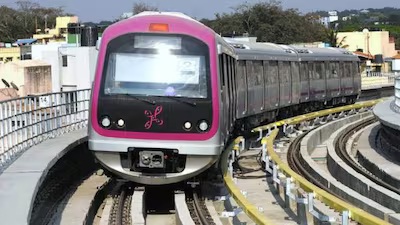
Bengaluru Metro Faces Surge in Passenger Misconduct
Bengaluru’s metro network recorded more than 100,000 cases of passenger rule violations over the past year, highlighting persistent challenges in urban transit management and commuter discipline. Incidents ranged from loud music and eating on trains to occupying seats reserved for the elderly, pregnant, or differently-abled, underscoring the operational and social pressures on the rapidly expanding city transport system.
Urban planners and transit experts say these violations carry broader implications for city mobility and inclusivity. “High-frequency misconduct not only inconveniences other passengers but can disrupt service efficiency, affect safety, and diminish public trust in sustainable transport options,” explained a senior urban affairs analyst. As Bengaluru seeks to shift commuters from private vehicles to mass rapid transit to reduce carbon emissions and congestion, maintaining passenger discipline is crucial for long-term system viability. Data from the metro authority indicates that 57,538 commuters were caught playing loud music, while 37,038 passengers were occupying reserved seats. Another 1,907 individuals were found eating on board, and 1,677 used tobacco products such as gutka or paan. Security teams routinely intervened in conflicts arising from such behaviour, sometimes preventing scuffles and maintaining commuter safety. A special unit comprising two home guards has been deployed on trains to educate passengers and ensure adherence to regulations.
The regulatory framework, under the Metro Railways (Operation and Maintenance) Act, 2002, allows fines for behaviours that cause discomfort or hazard to fellow passengers. Enforcement, combined with awareness campaigns, aims to instil a culture of responsible commuting essential in high-density, mixed-income cities such as Bengaluru. Urban mobility consultants note that consistent enforcement and public education are critical, as mere signage or announcements often fail to change entrenched commuter habits. These trends also shed light on the social dynamics of urban transport. In cities pursuing inclusive development, reserved seating violations point to gaps in civic awareness about accessibility and equity. Meanwhile, eating or using tobacco in trains raises questions about hygiene and public health standards, particularly in enclosed transit environments.
For investors and developers, the smooth functioning of metro networks is increasingly tied to real estate desirability and commercial growth along transit corridors. High compliance rates and orderly ridership strengthen the case for transit-oriented development and environmentally sustainable urban expansion. As Bengaluru Metro continues its expansion, integrating behavioural management with infrastructure upgrades may be key to achieving a commuter-friendly, climate-resilient urban transport ecosystem. Continued monitoring, public awareness, and strategic enforcement will determine whether the city’s mass transit remains a safe, efficient, and inclusive alternative to private vehicles.