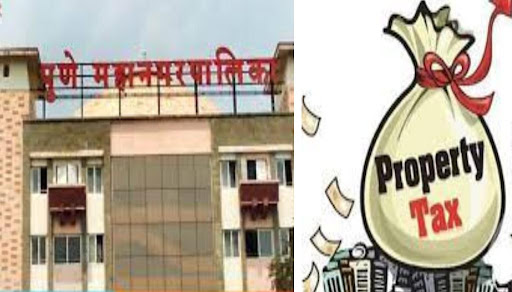
Pune’s urban governance framework is facing a critical fiscal test as the city’s municipal administration moves closer to revising property tax rates for the first time in several years, a step that could reshape household budgets, real estate sentiment, and the city’s development priorities. The Pune Municipal Corporation has placed a proposal before its Standing Committee to increase general property tax by 10 percent, citing widening gaps between expenditure and revenue. The decision, expected within weeks, carries implications beyond municipal accounting, touching on infrastructure delivery, housing affordability, and the long-term sustainability of one of India’s fastest-growing urban regions.
According to senior officials familiar with the proposal, municipal spending on road maintenance, public utilities, drainage upgrades, and climate-resilient infrastructure has risen steadily. However, revenue inflows have remained uneven. Delays in statutory transfers such as GST compensation and stamp duty shares from the state government have constrained cash flows, forcing the civic body to defer or scale back capital works. Compounding the challenge is the limited access to construction-related fees from developments outside municipal limits but within the larger metropolitan planning region. Urban planners note that while these peri-urban projects increase demand on city infrastructure transport, water, and waste systems the associated revenues do not always accrue to the civic authority responsible for upkeep.
Municipal administrators argue that without a calibrated revision in property tax, routine maintenance and new investments could suffer. Officials point out that property tax remains the most predictable and locally controlled revenue stream for cities, especially as national urban policy increasingly pushes municipalities to reduce dependence on higher-level government grants. Yet the proposal has triggered resistance from former elected representatives and civic activists, who question whether higher taxes should precede structural reform. They argue that inefficiencies in assessment methods, leakages in collection, and under-taxation of commercial misuse within residential zones have left substantial revenue untapped. Industry observers suggest that digitised assessments, fewer approval layers, and stricter enforcement could significantly improve collections without raising rates across the board.
The debate arrives at a sensitive political moment, with a change in civic leadership expected to influence fiscal priorities. Urban economists say early decisions on taxation often signal how new administrations balance growth, equity, and service delivery. For property owners and developers, the outcome may shape market confidence, particularly at a time when housing affordability and sustainable construction are under scrutiny. Experts caution that while a property tax hike can strengthen municipal finances, its design matters. Progressive assessments, transparent utilisation of funds, and visible improvements in neighbourhood services are essential to maintain public trust. As Pune expands and climate pressures intensify, the city’s ability to fund resilient, inclusive infrastructure will depend not only on how much it collects, but how efficiently and fairly it does so.