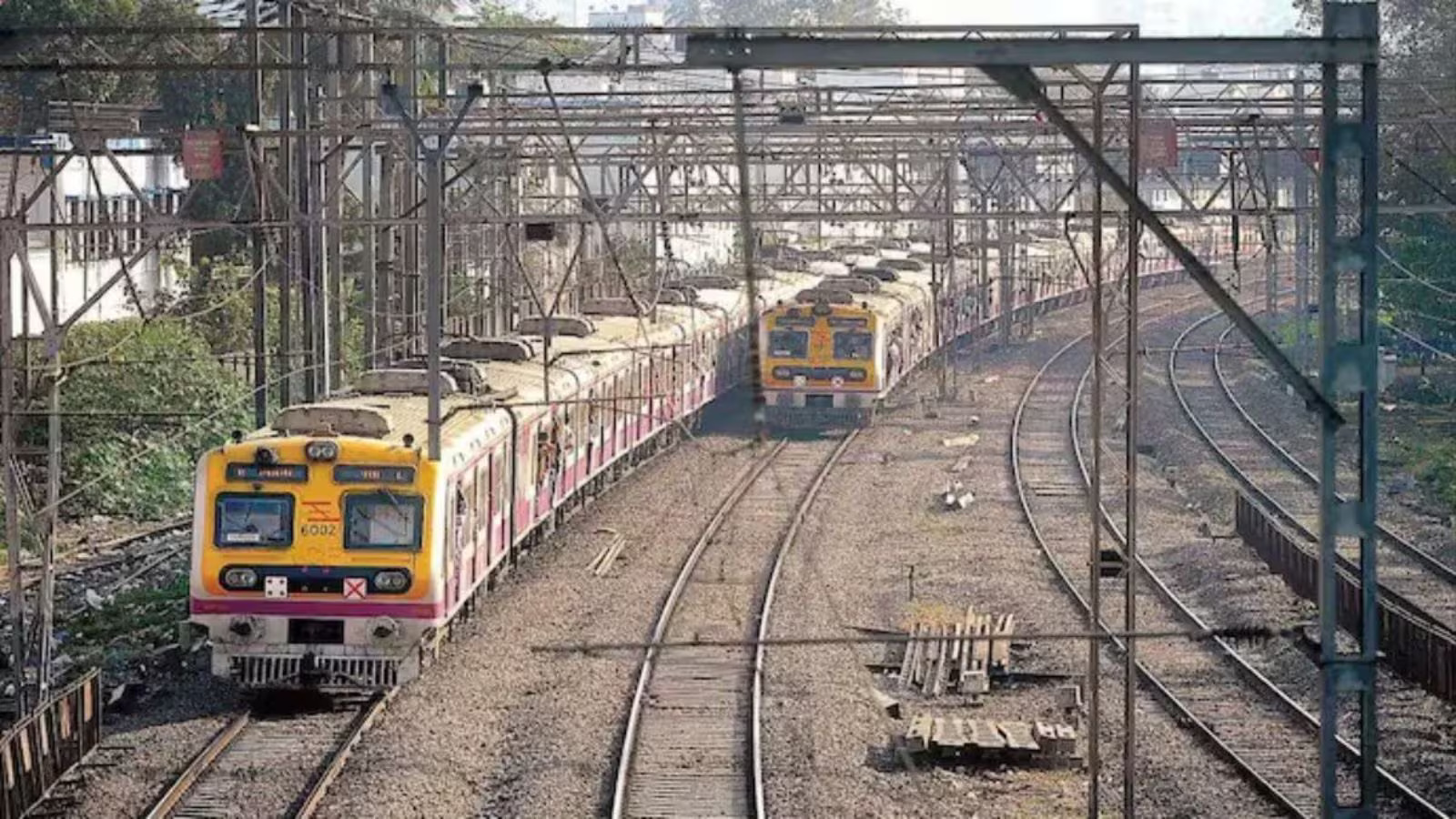
Western Railway Kavach Safety System Enhances Mumbai Route
Mumbai’s Western Railway corridor has reached a key milestone in rail safety with the rollout of the indigenous automatic train protection system Kavach on the Vadodara–Surat–Virar section, bolstering commuter and freight safety on one of the region’s busiest intercity routes. The deployment comes amid a record national-scale expansion of the system, underscoring Indian Railways’ focus on preventing collisions and operational incidents through advanced signalling technology.
Kavach — an acronym for a homegrown Automatic Train Protection (ATP) system developed by the Research Designs and Standards Organisation (RDSO) and partners — uses radio communication, Global Positioning System (GPS) data, and onboard automation to detect potential hazards, prevent signal violations and automatically apply brakes when necessary. This capability is especially pertinent on high‑density corridors where fast passenger and freight services share tracks and margin for error is minimal.The state‑of‑the‑art Version 4.0 of Kavach was commissioned across 472.3 route kilometres of track in a single day, covering the Vadodara–Virar stretch on Western Railway alongside critical sections in Northern and East Central Railway zones. This rollout represents the most extensive one‑day commissioning of the system so far, highlighting both the technology’s rapid adoption and the central government’s priority on rail safety.
For the Western Railway network in particular, bringing Kavach online along the Vadodara–Surat–Virar section enhances safety across a corridor that connects India’s commercial hubs with major suburban nodes like Virar. The first Kavach‑equipped service on this stretch — a long‑distance express — has already operated under the new system, validating the technology’s operational readiness.Urban mobility and transport planners say that embedding ATP systems into rail infrastructure is a pivotal step toward sustainable and resilient mass transit. Unlike traditional signalling that relies on manual adherence to signal aspects, Kavach continuously supervises a train’s movement authority and speed, intervening autonomously when human reaction time may lag, thereby reducing risks arising from signal passed at danger or overspeed events.
The deployment also dovetails with broader efforts to modernise India’s rail network. With Kavach installation underway across thousands of kilometres nationwide and integration progressing on locomotives and track systems, the technology is increasingly seen as foundational for future high‑speed corridors and enhanced freight reliability. This is particularly important in the Western Railway zone, where passenger volumes and freight throughput demand both performance and safety.Critically, the system’s roll‑out comes amid national targets to equip the majority of Indian Railways’ key freight and passenger routes with automatic protection systems over the next few years, aligning with global best practice in rail operations. Observers note that maintaining rigorous testing, staff training and cross‑agency coordination will be essential to ensure that the benefits of Kavach — such as collision avoidance and improved punctuality — are fully realised without service disruptions during transition.
As implementation continues, Western Railway officials have stated that adjacent sections — including the Vadodara–Nagda and Virar–Mumbai Central routes — are in active phases of installation and are expected to join the Kavach network in coming months, further strengthening safety infrastructure in the Maharashtra‑Gujarat rail corridor.