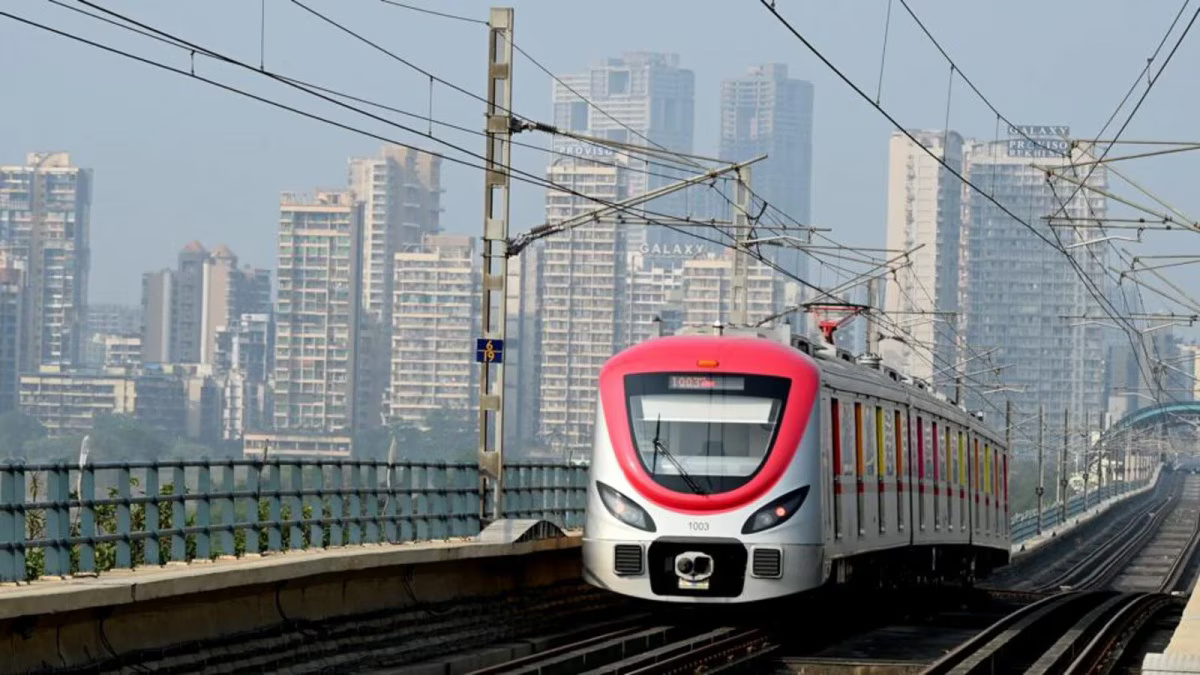
Mumbai’s Metro One corridor — a core artery of the city’s urban transit network — has been recognised with a globally acknowledged workplace certification, reflecting both operational maturity and organisational resilience as the city’s rapid public transport expansion continues. The Great Place To Work certification, awarded based on employee feedback, signals a workplace culture built on trust, inclusivity and collaboration across operations, maintenance and commuter services, a rare accolade for a major transport operator in India’s public‑private urban mobility landscape.
Mumbai Metro One Private Limited (MMOPL), the entity that operates the city’s first east–west metro line connecting Versova, Andheri and Ghatkopar, achieved the certification after more than 70 per cent of its workforce rated the organisation positively on factors such as credibility, respect and teamwork. The route itself has been central to transforming east–west travel patterns for suburban commuters since its launch in 2014, reducing travel times and alleviating pressure on road networks.Transport planners and urban mobility analysts observe that securing such recognition is noteworthy not just for internal human‑resource benchmarks, but for the broader operational ecosystem of rapid transit networks. In an era when metro systems are increasingly intricate — balancing safety protocols, passenger load demands, maintenance cycles and digital service delivery — a stable and motivated workforce is seen as an essential pillar of reliable service. Workforce strength contributes to punctuality, customer care, equipment uptime and rapid incident response, all of which are critical in high‑density urban corridors.
The Great Place To Work framework evaluates organisational culture through extensive surveys and data‑driven analysis, benchmarking firms against global best practices in workplace engagement. Mumbai Metro One’s achievement indicates that the system’s internal cohesion matches its external performance metrics, which include millions of passenger journeys annually and integration with other mass transit lines.Urban transport experts contend that as metro systems scale — with ongoing expansions like Lines 2A, 3, 4, 6 and 7 connecting peripheral nodes — human‑centric workplace strategies may translate into better commuter experiences. Successful workforce culture can reduce staff turnover, elevate frontline service quality and sustain institutional knowledge that improves operational resilience.
The Metro One corridor’s operational record also includes sustained industry recognition. Over its years of service, the line has amassed multiple national and international awards for innovation, passenger service and sustainability — reflecting both its technical design and its role in the city’s broader mobility ecosystem.Importantly, the certification arrives at a moment when metropolitan authorities are scaling metro infrastructure across the Mumbai Metropolitan Region, with contract approvals for metro expansions, digital ticketing integration and connectivity projects gathering pace. A workforce whose morale and engagement are validated externally can help mitigate the organisational challenges that accompany rapid network growth and increased commuter expectations.
Moving forward, stakeholders including transport planners, civic leaders and operators are likely to watch how such institutional recognitions correlate with service quality, safety performance, and commuter satisfaction — especially as Mumbai positions its metro network as a backbone for equitable, low‑carbon urban mobility in the decades ahead.