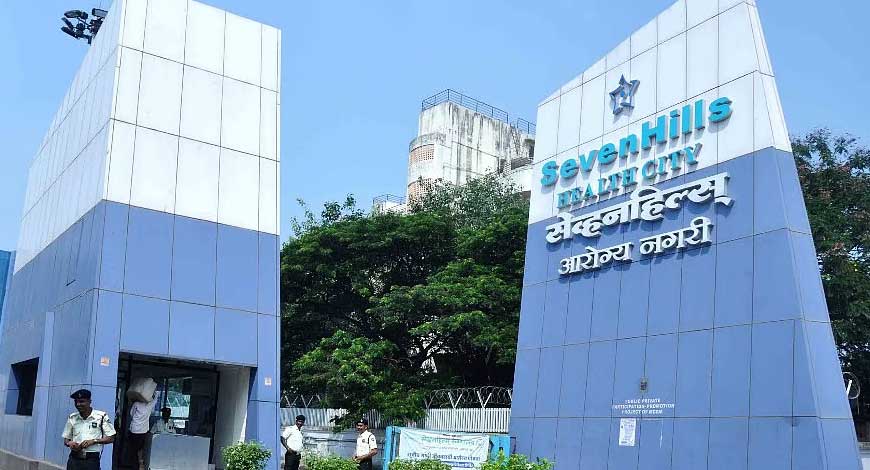
Mumbai’s healthcare infrastructure landscape is set for a significant transformation as Reliance Industries, in partnership with Capri Global Holdings, moves ahead with the acquisition and planned revival of Seven Hills Hospital in Marol, Andheri — a facility that has lingered in insolvency for nearly eight years. The National Company Law Tribunal recently approved the resolution plan, ending a prolonged financial and operational stalemate that has seen the 1,500‑bed hospital largely underused despite its strategic location near the city’s airport.
Originally inaugurated in 2010 as one of India’s largest private hospital projects — envisioned to serve both general and under‑served populations — Seven Hills became embroiled in disputes over bed allocations for economically weaker patients, unpaid taxes and financial distress. These issues culminated in the hospital’s closure in 2018, with only limited sections reopened temporarily during the COVID‑19 pandemic under civic management.Under the approved resolution plan, Reliance and Capri will infuse fresh capital and implement structural and operational repairs, with the facility expected to relaunch in a revamped form within the next two years. The resolution proposes reserving at least 60 % of beds for economically disadvantaged patients, aligning with broader city aims to expand equitable access to healthcare in densely populated metropolitan zones such as Andheri and its surrounding suburbs.
Healthcare infrastructure analysts observe that the deal not only brings a high‑capacity facility back into operation but also reflects a wider trend of private sector consolidation in urban healthcare markets. With many Tier‑1 city hospitals operating close to capacity and public facilities under financial strain, private‑sector participation — when aligned with regulated quotas for under‑served segments — can expand service coverage while mobilising capital and managerial expertise.Urban health planners note that Seven Hills’ location adjacent to a major transport node and with a helipad offers potential advantages for emergency and trauma care services, which are often constrained in congested metropolitan environments. However, they caution that realising these benefits will require not just physical renovation but also integration with public health networks and insurance frameworks to ensure broad‑based accessibility.
The resolution plan also includes financial settlements with key stakeholders: secured creditors will receive a significant portion of admitted claims, the Brihanmumbai Municipal Corporation (BMC) will be paid outstanding dues, and former employees will receive settlement amounts under statutory provisions. This financial closure could unlock further investments in support services and specialty care units once full operations resume.Policy experts argue that while the private sector can inject financial and operational dynamism into distressed healthcare assets, regulatory oversight must ensure that quality, affordability and equitable access are not compromised. In cities with stark disparities in health outcomes across income groups, safeguarding these principles is essential if large facilities like Seven Hills are to serve not only market‑rate patients but also the broader urban population.
As Reliance and Capri advance their integration strategy, the next 12–24 months will be critical in determining whether Seven Hills can emerge as a sustainable healthcare anchor in Mumbai’s competitive ecosystem or remain financially challenged despite renewed corporate stewardship.