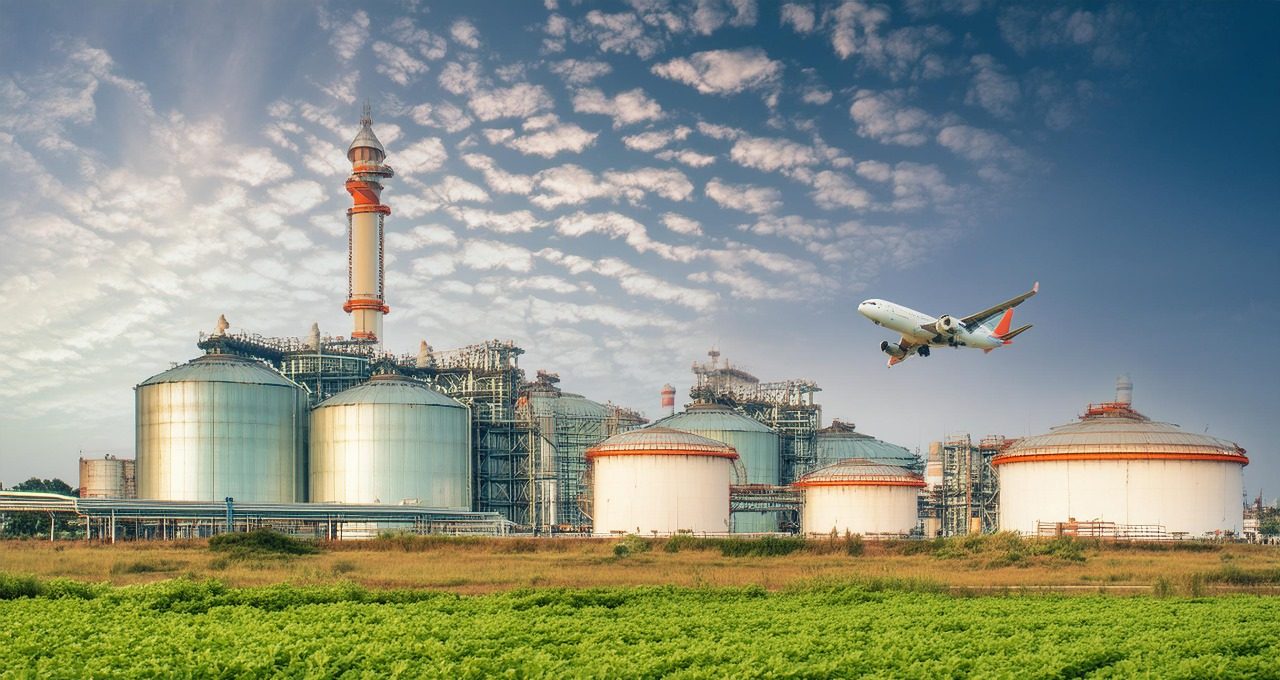
Maharashtra Expands Clean Fuel Capacity With Major SAF Plan
Maharashtra has sealed a landmark pact to establish a high-capacity sustainable aviation fuel (SAF) complex in Jalgaon’s Chalisgaon region, a move that positions the state at the forefront of India’s aviation decarbonisation and rural economic diversification. Announced through a memorandum of understanding (MoU) with a major private infrastructure group at the World Economic Forum in Davos, the project entails an estimated ₹15,000 crore capital spend and is designed to reshape energy supply chains and agricultural value streams in the region.
The initiative will convert locally sourced agricultural residues — such as sugarcane bagasse, cotton stalks and soybean husk — into internationally certified aviation-grade fuel, leveraging globally recognised conversion technologies. Urban planners and energy analysts note that SAF, with a significantly lower carbon footprint than conventional jet fuel, is a critical transitional feedstock for aviation while long-term electric or hydrogen propulsion technologies mature.By anchoring the facility in Chalisgaon, policymakers intend to harness the district’s logistic connectivity and feedstock availability, as well as nurture industrial-tier job creation outside the state’s traditional urban centres. The phased build-out is scheduled through 2029, a design aimed at spreading investment risk while enabling incremental capacity growth aligned with strengthening global and domestic SAF demand.
Beyond climate and infrastructure benefits, the project is expected to infuse new economic opportunities into rural supply chains. Structured procurement arrangements will create predictable markets for farm by-products that are currently under-utilised or burned in the open, a practice linked to worsening regional air quality and greenhouse gas emissions. “Formalising residue value will help diversify rural income sources while contributing to cleaner local environments,” says an agricultural economist tracking energy-agriculture linkages in Maharashtra.Governance and sustainability experts highlight the use of renewable energy to power operations, closed-loop water systems and zero-liquid discharge designs as indicators of the project’s compliance with evolving environmental, social and governance (ESG) benchmarks. They say such features are increasingly sought by institutional capital and regulatory frameworks as sectors decarbonise.
The deal also extends Maharashtra’s strategy of attracting long-duration, transition-aligned infrastructure investment at a time when states compete to become climate-growth hubs. Urban development specialists point out that aligning large industrial projects with sustainability criteria can spur broader ecosystem growth — including ancillary manufacturing, logistics and training institutions — if executed with clear regulatory support.
As the SAF facility moves towards implementation, key focus areas will include establishing feedstock aggregation systems, deploying certified conversion pathways and ensuring that local workforce development keeps pace with the project’s evolving technical demands. Analysts caution that converting MoUs into measurable outcomes requires coordinated policy continuity and private-sector commitment beyond initial endorsements.