Ahmedabad City Events Highlight Traffic Planning Gaps
A large-scale city marathon scheduled for early Sunday morning in Vadodara has triggered extensive traffic diversions across more than eighty arterial and neighbourhood roads, prompting authorities to issue advance advisories for commuters, logistics operators, and emergency services. The restrictions, beginning before dawn and lasting until the final race segment concludes, underline how mega sporting events increasingly intersect with urban mobility management, public safety planning, and the economic rhythm of growing Indian cities.
The event will see multiple race categories from a full marathon to shorter timed and recreational runs starting from a central public ground and concluding near a prominent flyover corridor. While such events promote community health, tourism, and civic participation, they also place significant pressure on road infrastructure, last-mile connectivity, and public transport reliability. Urban planners note that temporary closures along major flyovers and heritage routes can ripple across commercial zones, affecting delivery cycles, shift workers, and informal vendors who depend on uninterrupted street access.
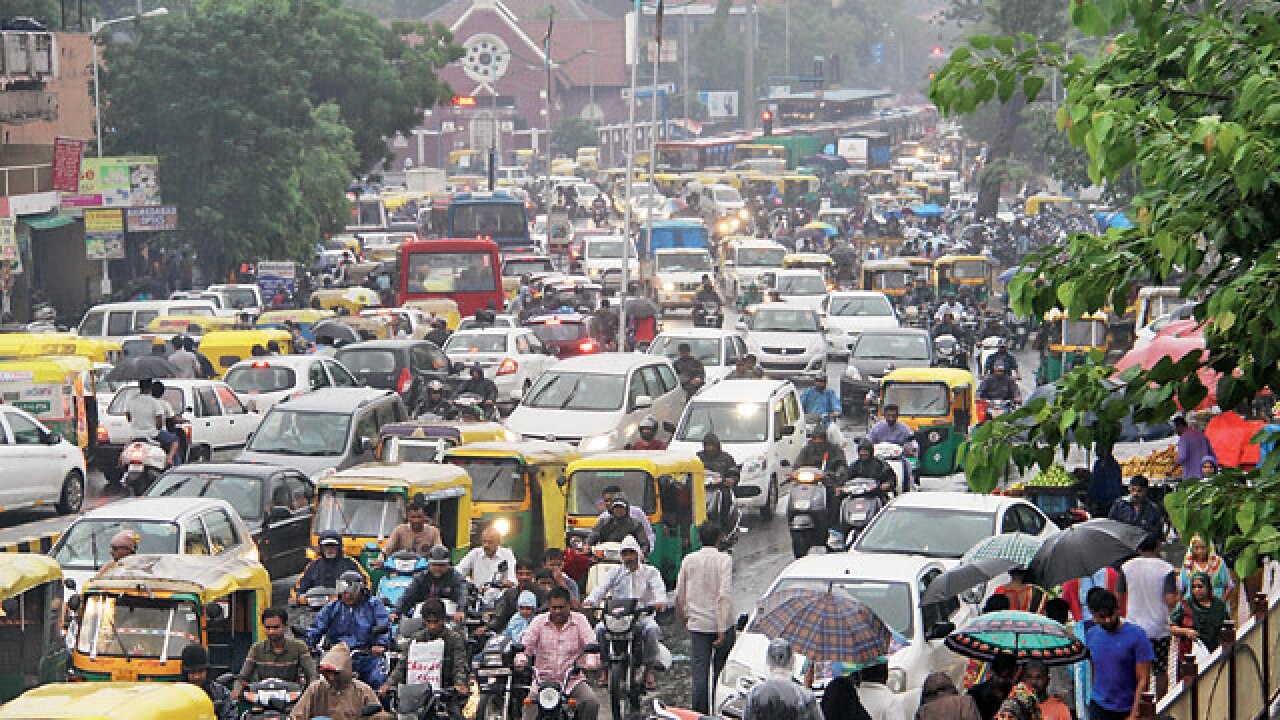
The Vadodara Marathon traffic plan reflects a broader urban governance challenge faced by expanding metropolitan regions: balancing citizen engagement activities with efficient traffic circulation. In fast-urbanising corridors where vehicle ownership is rising faster than road capacity, even short-term diversions can expose structural weaknesses such as limited pedestrian infrastructure, inadequate cycling lanes, and insufficient real-time traffic communication systems. Experts suggest that marathon planning increasingly requires integrated command centres, data-driven route simulations, and coordination with metro, bus, and ride-sharing networks to minimise disruption. From a sustainability perspective, city-wide sporting events present an opportunity to pilot low-emission mobility strategies. Temporary car-free zones, shuttle-based park-and-ride systems, and incentivised public transport usage can reduce congestion and lower carbon output during high-footfall days. Urban development specialists emphasise that if such models are tested successfully during events, they can inform long-term climate-resilient transport policies, particularly in tier-two cities transitioning into regional economic hubs.
The economic implications are equally layered. Hospitality businesses, fitness brands, and local tourism operators often experience short-term gains, yet small retailers along restricted corridors may face revenue dips. Structured compensation mechanisms or staggered timing models, industry observers argue, can help ensure more equitable outcomes. The Vadodara Marathon traffic arrangements therefore become not merely a logistical exercise but a microcosm of how cities negotiate inclusivity, commerce, and sustainability within limited urban space. As Indian cities continue to host large public gatherings, the emphasis is gradually shifting from reactive traffic control to predictive mobility design a transition that could shape how future urban infrastructure is planned, financed, and governed in an era increasingly defined by climate accountability and citizen-centric growth.