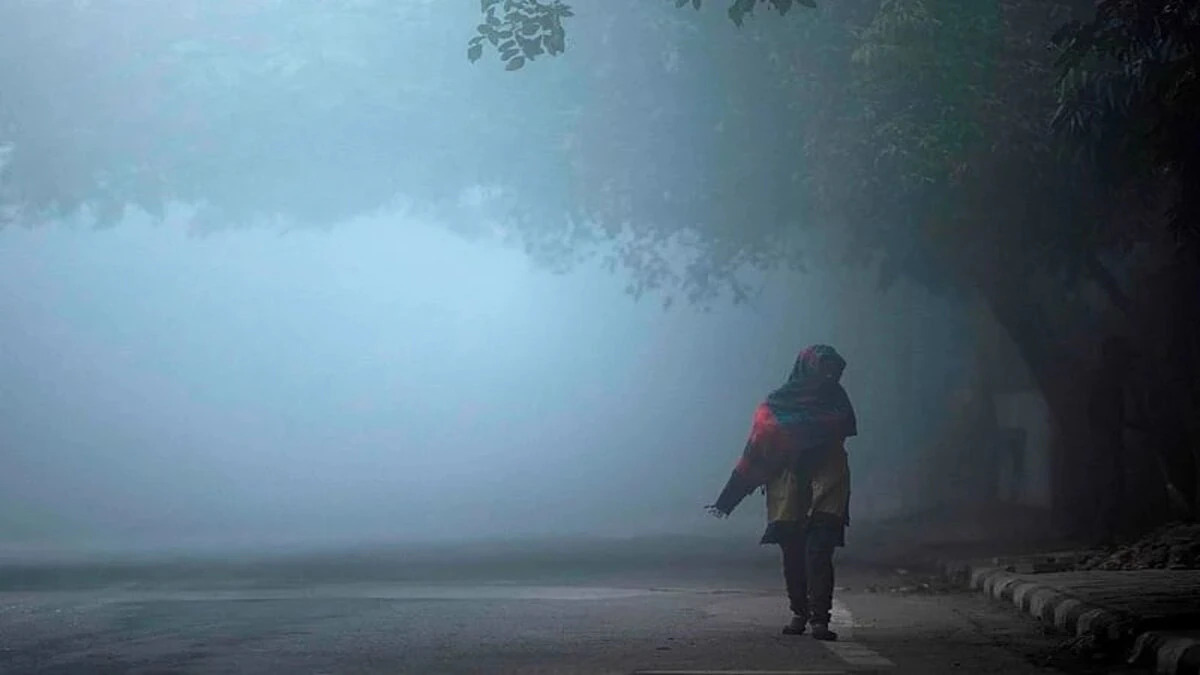
Bengaluru is set to experience a noticeable return of cooler mornings and milder nights over the coming week, even as daytime temperatures remain largely unchanged. The shift, observed across much of south interior Karnataka, reflects evolving seasonal wind patterns and intermittent light precipitation that are influencing how the city’s climate is felt rather than drastically altering thermometer readings. For a rapidly expanding metropolitan region, such fluctuations have broader implications for urban comfort, energy consumption and mobility.
Meteorological assessments indicate that while afternoon highs in Bengaluru are expected to stay close to the late-January average, early-morning and post-sunset temperatures are likely to fall by a few degrees. This divergence between day and night readings creates a perceptible chill, particularly in elevated neighbourhoods and low-lying green corridors. Urban planners note that Bengaluru weather variations increasingly highlight the role of built-environment design including ventilation corridors, tree cover and water bodies in moderating micro-climates across dense residential clusters.
Humidity levels are forecast to remain moderate during daylight hours but rise significantly at night, a combination that can amplify the sensation of cold even without sharp temperature drops. According to senior weather officials, light drizzles across parts of Karnataka may further intensify the cooling effect in interior districts, while coastal zones are expected to remain comparatively warm. Such contrasts underscore the state’s climatic diversity and the need for region-specific infrastructure planning. For citizens, the Bengaluru weather outlook suggests comfortable afternoons suitable for outdoor activity, balanced by mist-prone mornings that may affect early travel and public transport schedules. Urban mobility experts highlight that reduced visibility during cooler hours can influence road safety, especially along peripheral highways and newly developing suburbs where lighting infrastructure is still evolving. At the same time, lower night-time temperatures can modestly reduce electricity demand for cooling, offering a temporary environmental and economic benefit.
Environmental analysts also point out that short-term cooling spells provide an opportunity to assess how well cities adapt to fluctuating climate conditions without excessive energy dependence. In Bengaluru’s case, the interplay between green cover, lake rejuvenation projects and high-density construction will increasingly determine how resilient neighbourhoods remain to both heat and cold cycles. As the city continues its vertical and horizontal growth, integrating climate-responsive architecture and sustainable urban design becomes essential rather than optional. Looking ahead, weather authorities expect minor variations rather than extreme changes, signalling a period of climatic stability with subtle day-to-day shifts. For residents and policymakers alike, the present cooling trend serves as a reminder that urban liveability is closely tied to how cities anticipate and respond to even modest environmental transitions.