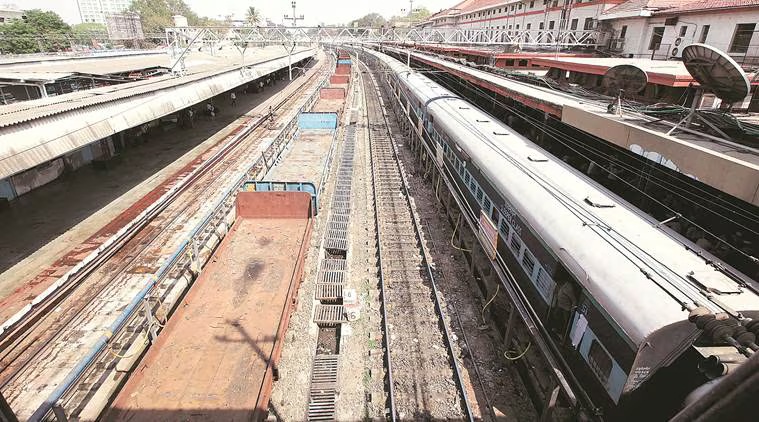
Pune’s main railway terminus is set to introduce a large airport-style passenger holding facility aimed at easing platform congestion and improving commuter safety, marking one of the most significant crowd-management upgrades at the city’s busiest public transport node in recent years. The move is expected to reshape how unreserved travellers access trains while influencing broader urban mobility planning in high-density Indian cities. Railway authorities are preparing to construct a permanent Pune railway holding area adjacent to existing station infrastructure, designed to channel passengers through clearly defined entry stages before they reach platforms.
The approach mirrors aviation terminals, where movement is sequenced through pre-ticketing, ticketing and post-ticketing zones. Officials indicate that this system could reduce sudden surges on platforms during peak hours, festivals and emergency situations, when unmanaged footfall often creates safety risks. The proposed facility will include digital ticket vending kiosks, additional counters, seating spaces, security scanners, LED information displays, public announcement systems, drinking water points and sanitation blocks. Surveillance cameras and baggage screening are also planned, signalling a shift towards technology-enabled passenger monitoring in railway environments that traditionally rely on manual control. Urban planners note that such infrastructure investments represent a gradual convergence between rail and airport standards, particularly in Tier-1 cities experiencing sustained commuter growth.
Pune railway station currently records an estimated daily footfall in the range of nearly two lakh passengers, with unreserved travellers forming a substantial share during regional travel peaks. Experts in urban transport management observe that creating a Pune railway holding area could improve boarding discipline and reduce last-minute crowd pressure, especially benefiting elderly commuters, women and daily wage travellers who are often most vulnerable in overcrowded settings. The move also aligns with broader safety-first design philosophies increasingly adopted in public infrastructure projects.
From a land-use perspective, the project will utilise a sizeable parcel near institutional railway property, requiring relocation of certain internal facilities. While the physical footprint is significant, urban development analysts highlight the long-term economic rationale: smoother passenger flow can reduce operational delays, enhance station efficiency and indirectly support regional commerce dependent on reliable rail connectivity. Beyond immediate crowd control, the initiative reflects a larger policy direction towards structured, people-centric transit hubs that integrate safety, accessibility and digital information systems. As Indian cities expand and rail networks carry growing commuter volumes, such interventions may become critical to ensuring inclusive and climate-resilient mobility ecosystems. The success of Pune’s model could therefore influence future upgrades across other metropolitan stations seeking safer, more organised passenger movement without large-scale structural expansion.