Pune Water Shortage Exposes Supply Infrastructure Gaps
A prolonged phase of Pune water shortage triggered by low pipeline pressure and delayed post-maintenance restoration has left multiple neighbourhoods grappling with inadequate supply, underscoring vulnerabilities in the city’s ageing distribution infrastructure and the growing stress on urban water systems. Central peth zones, key arterial corridors and several fast-growing residential belts reported inconsistent or near-absent supply, disrupting domestic routines and small business operations across the city.
The disruption followed a scheduled shutdown of municipal water facilities for electrical and civil repair works. While authorities had indicated a staggered resumption at reduced pressure, supply stability remained elusive well into the following day. In dense heritage precincts and mixed-use commercial areas, residents described unusually weak flow compared to typical post-maintenance conditions, forcing many households to ration usage or rely on stored reserves. Urban planners note that such episodes reveal the fragile balance between routine infrastructure upkeep and service continuity in rapidly expanding cities. When distribution networks operate close to capacity, even planned maintenance can cascade into multi-day service gaps, particularly in zones dependent on older trunk pipelines. Burst mains and repair delays in high-traffic corridors further compound the issue, leading to significant water loss and uneven pressure across adjoining localities.
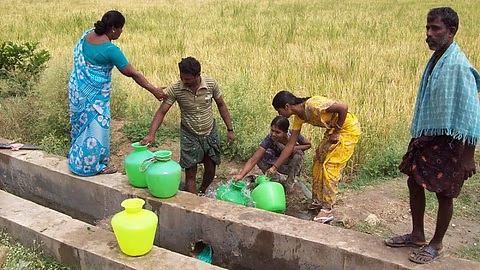
The impact has been more severe in peripheral housing clusters and large residential societies that depend on supplementary sources such as borewells or tanker deliveries. In several gated communities, management committees reported escalating daily expenditure on private tankers as municipal flow failed to meet baseline demand. For middle-income households, these costs translate into rising maintenance charges, while informal settlements face heightened vulnerability due to limited storage infrastructure. Experts in sustainable urban development emphasise that recurring Pune water shortage incidents are not merely operational glitches but signals of deeper structural challenges including distribution leakages, uneven zoning pressure management, and the mismatch between population growth and network upgrades. Climate variability, erratic rainfall patterns and increased groundwater extraction are intensifying the strain, making resilient water governance central to the city’s long-term liveability.
From an economic standpoint, inconsistent water supply affects productivity in small enterprises, hospitality outlets and rental housing markets, where service reliability influences occupancy and commercial viability. Gender-neutral, people-first urban policy frameworks increasingly recognise water access as a cornerstone of equitable city growth and climate resilience. Going forward, urban policy observers suggest that pressure-monitoring technologies, decentralised storage solutions, leak-detection systems and transparent maintenance scheduling could reduce recurrence. Strengthening last-mile distribution, integrating recycled water for non-potable uses and accelerating network modernisation are emerging as critical steps if Pune aims to align infrastructure expansion with sustainable, zero-carbon urban ambitions while safeguarding everyday quality of life.