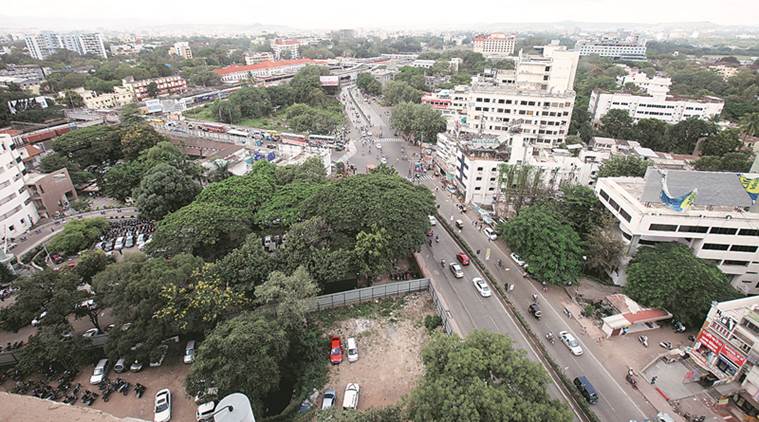
Pune has emerged as the highest-ranked Indian city in the latest national liveability assessment released alongside the Union government’s Economic Survey, signalling a shift in how mid-sized urban centres are being evaluated for quality of life. The recognition places the western Maharashtra city ahead of larger metropolitan hubs and reflects growing attention on urban infrastructure efficiency, social services delivery and environmental management in fast-expanding regions.
The assessment framework measures multiple dimensions of city performance, including healthcare access, education quality, housing availability, public transport networks, water and sanitation systems, waste processing, safety indicators and availability of public spaces. Urban planners note that cities designed or expanded in the past two decades often benefit from more flexible land-use planning and newer civic infrastructure, enabling them to adapt faster to population growth and sustainability mandates. In this context, the Pune Ease of Living performance has been interpreted as evidence of evolving urban governance models beyond legacy metros. However, the ranking has also ignited public debate about whether statistical indicators fully capture daily urban experiences. Residents and commuter groups have raised concerns over peak-hour traffic congestion, ongoing transit connectivity gaps and rising property prices that increasingly challenge affordability for middle-income households.
These responses underline the complexity of measuring liveability in cities where economic growth, environmental stress and mobility pressures coexist. Urban economists argue that such indices serve as policy instruments rather than definitive verdicts. By highlighting strengths and weaknesses across measurable parameters, they provide state governments and municipal authorities with comparative benchmarks to guide infrastructure investments and climate-resilient planning. For instance, improvements in non-motorised transport corridors, integrated waste management systems and green public spaces can significantly influence both environmental sustainability and citizen well-being. The Pune Ease of Living debate therefore reflects a broader national conversation on balancing growth with inclusivity and ecological responsibility.
Real estate analysts observe that top rankings often translate into heightened investor interest and accelerated housing demand, which can further strain land supply unless accompanied by transparent zoning policies and rental housing strategies. Sustainable urban expansion, they suggest, requires coordinated transport planning, mixed-use development and energy-efficient construction practices to avoid carbon-intensive sprawl. As Indian cities continue to expand, the focus is increasingly shifting from sheer economic output to the lived quality of urban environments. The latest rankings may influence future policy priorities, but their long-term impact will depend on how effectively civic bodies convert data-driven insights into equitable, climate-aware and people-centric urban transformation.