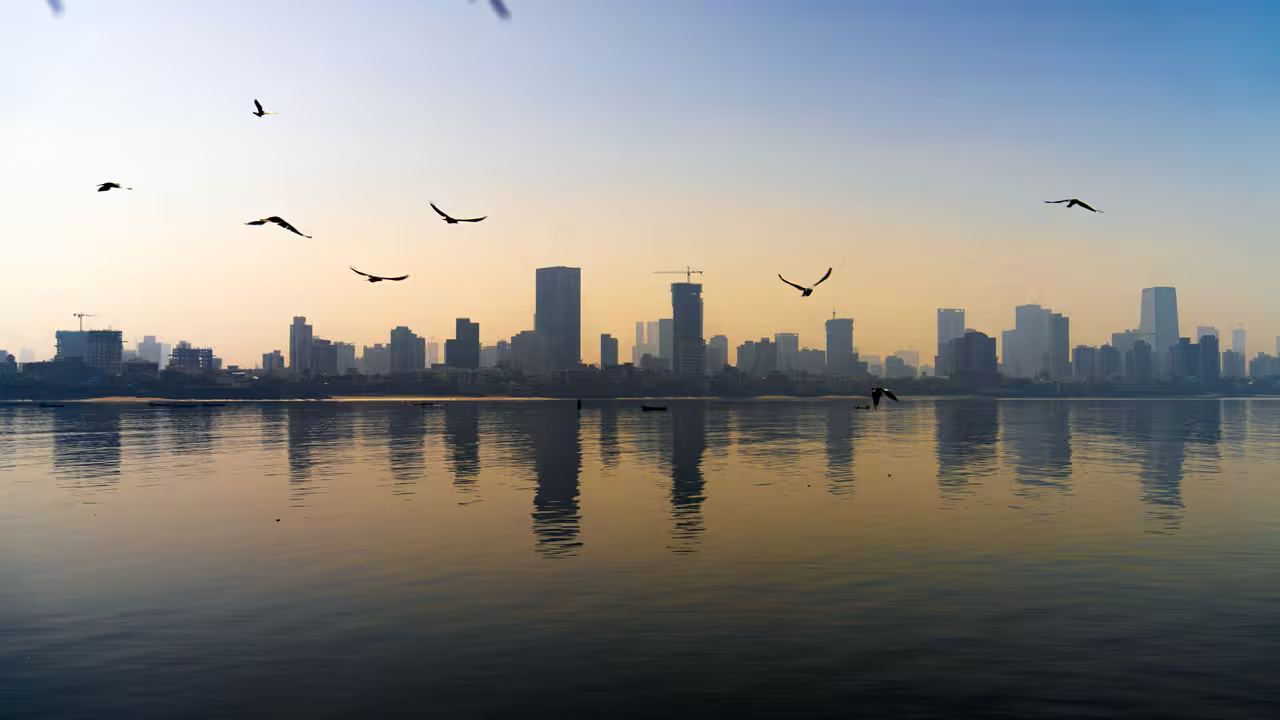
Mumbai Residents Experience Sunny Skies And Comfort
Residents of Mumbai can expect generally sunny skies and comfortable winter temperatures this Friday, signalling a brief window of favourable conditions across the metropolitan region. While the day brings mild warmth and minimal rainfall, officials caution that air quality levels remain variable, underlining persistent urban environmental pressures in one of India’s most densely populated coastal cities. The outlook holds implications for public health, urban mobility, and daily life.
Meteorological data indicate that daytime temperatures are expected to reach the upper 20s °C, typical for late January, accompanied by light morning haze in some suburban corridors. Urban planners note that such clear and dry conditions can improve traffic flow, facilitate outdoor activities, and reduce immediate strain on public services, though they may also accentuate fine particulate accumulation in low‑ventilation zones.Air quality assessments across the city reveal moderate pollutant concentrations, with particular sensitivity for children, the elderly, and individuals with respiratory conditions. Environmental experts emphasise that while short-term weather patterns offer temporary respite, long-term air quality management requires integrated approaches, including emissions controls, sustainable transport planning, and urban greening initiatives. This episode illustrates the intersection of meteorological patterns and human health in high-density urban environments.
City mobility analysts observe that mild, dry conditions positively influence commuter behaviour, reducing the risk of weather-related congestion on arterial roads and suburban connectors. Public transport usage, especially bus and metro ridership, tends to stabilise during such periods, while non-motorised mobility—including walking and cycling—benefits from comfortable temperatures and clear visibility.From an urban resilience perspective, Mumbai’s winter weather trends serve as a reminder of the vulnerability of coastal megacities to climate and pollution dynamics. Temperature inversions common in January can trap pollutants near the surface, compounding chronic air quality challenges. Industry experts suggest that combining real-time weather data with air quality monitoring could guide municipal decision-making on traffic management, public advisories, and emergency response preparedness.
Looking ahead, forecasts indicate that sunny, mild conditions will persist through the weekend, although subtle haze and moderate particulate matter may continue to affect sensitive populations. City authorities are encouraged to maintain public advisories, promote low-emission transport options, and expand tree canopy coverage to mitigate particulate accumulation. Sustainable urban strategies that integrate climate and health considerations will be critical for maintaining livability as Mumbai’s population density and mobility demands grow.
For residents and urban planners alike, the day underscores the dual realities of seasonal comfort and environmental vulnerability, highlighting the need for actionable interventions to protect public health, improve air quality, and sustain mobility in a rapidly expanding megacity.